Showing posts with label Kajima. Show all posts

Wednesday, June 4, 2014

#Fukushima I NPP: Construction of Frozen Soil Wall Around the Reactor Buildings and Turbine Buildings Has Started


Following the grudging approval from Nuclear Regulation Authority, the construction of the frozen soil impermeable wall around the reactor buildings and turbine buildings has promptly started.

The first place that the contractor (Kajima) started to drill holes in was the northwest corner of the wall right near the Reactor 1 building.

The frozen soil wall plan by Kajima has been criticized by the media and net citizens as "untested" and "costly". I don't personally share much of that sentiment after looking at the presentation by Kajima and those by two competitors (see my post from May 30, 2013), but I do worry, as the modus operandi of TEPCO is to cut cost by any means. I have a nagging feeling that TEPCO will manage to sabotage Kajima's work somehow.

From TEPCO's photos and videos library (6/2/2014):


An aerial photo by Yomiuri (how they got away with taking a picture is a mystery to me, given the warming from the government/TEPCO on the physical protection) shows how close the wall would be to the reactor building (Reactor 1, in this case). The drilling location is marked with a red circle:


The exhaust stack you see on the right has a spot where the dosimeter went overscale at 10,000 millisieverts/hr (or 10 Sieverts/hr) back in August 2011. TEPCO did calculate how high the radiation might be in November 2013, and it was at least 25 Sieverts/hr on the surface of the pipe. Ambient radiation levels near the pipe range from 19 to 95 millisieverts/hr.

TEPCO's survey map on March 23, 2011 made public for the first time outside TEPCO shows the area with the radiation levels between 6 to 130 millisieverts/hr:


After painstaking removal of highly radioactive debris that littered the location by human workers and remote-controlled heavy equipment, the radiation levels as of May 14, 2014 are mostly between 0.2 to 0.8 millisieverts/hr. The level near the drilling location looks to be 0.35 millisievert/hr:


Still, 0.35 millisieverts/hr is 350 microsieverts/hr; it is nowhere near the level for workers to work without concern for radiation exposure. Three-hour work on that location, and you may exceed 1 millisievert per year excess radiation exposure.

In Fukushima City today (6/5/2014), the radiation levels are mostly below 0.25 microsievert/hr, according to Fukushima Prefecture radioactivity measurement map:


In Tokyo today, a monitoring post in Shinjuku shows the level at 0.0343 microgrey/hr, according to Tokyo Metropolitan Institute of Public Health. It is back to the level before the nuclear accident. At 1 meter off the ground, the radiation level is 0.06 microgrey/hr:

Thursday, May 30, 2013

#Fukushima I Nuke Plant: Freeze Soil to Block Groundwater


I can honestly say "I knew that", because that's what one of our long-time readers, netudiant, suggested some time ago.

From Yomiuri Shinbun (5/30/2013):

凍土の遮水壁で汚染水抑制…政府委が設置方針

Control contaminated water by impervious wall of frozen soil, the government committee is to request

東京電力福島第一原子力発電所で増え続ける汚染水の抜本的な抑制策として、政府の汚染水処理対策委員会(委員長・大西有三京都大名誉教授)は、建屋周辺の土壌を凍らせて地下水の流入を防ぐ「凍土の遮水壁」の設置を打ち出す方針を固めた。

As a drastic countermeasure against the contaminated water that continues to accumulate at Fukushima I Nuclear Power Plant, the government committee on contaminated water treatment countermeasures (chairman Yuzo Onishi, professor emeritus at Kyoto University) has decided to propose the installation of the "shield wall of frozen soil", whereby the soil around the reactor buildings will be frozen in order to stop the groundwater from leaking into the buildings.

30日の会合で最終判断し、東電に実施を求める。

The final decision will be made in the meeting on May 30, and the government will tell TEPCO to implement the plan.

同原発の建屋には、地下水が1日平均400トンずつ流れ込み、汚染水増加の最大の要因となっている。

400 tonnes of groundwater per day are leaking into the reactor buildings, and it is the biggest contributor to increasing contaminated water.

凍土の遮水壁は、大手ゼネコンが提案した。地中に管を並べて打ち込み、管内に氷点下数十度の冷却材を循環させ、周辺の土壌を一定の深さまで凍らせる。これが、建屋内と外側との水の動きを遮断する壁となる。地下に構造物があっても大きな障害とならず、1~2年程度で設置できる。

The impervious wall of frozen soil was proposed by a large general contractor. Rows of pipes will be driven into the ground, and coolant at dozens of degrees below zero Celsius will be circulated in the pipes to freeze the soil around the pipes to a certain depth. That will become the shield that will block the movement of groundwater. Even the underground structures won't be much of an impediment, and the wall could be set up in 1 to 2 years.

コンクリート製の遮水壁を造るのと違い、凍土法は管をすべて埋設した後、一気に土壌を凍らせ、短期間で壁が完成する。このため、施工中に壁の内側で地下水が減るなどして、建屋内から放射性物質を含む汚染水が外へ漏れ出る危険は少ない。

Unlike the impervious wall made of concrete, the wall of frozen soil will be built in a short period of time by burying all the pipes and freeze the soil all at once. Therefore, there will be little danger that the contaminated water leaks out from the reactor building, as could be the case if the level of groundwater inside the wall gets lower during the construction of the concrete wall.


That large general contractor is Kajima, who has also created the unmanned debris removal system for the Reactor 3 operating floor. Kajima is famous for huge civil engineering projects like tunnels, and this method of freezing the soil is very well known to them. The other major general contractors, Taisei and Shimizu also submitted their proposals, which involved concrete walls like TEPCO has been contemplating and included a study of overseas examples of such impervious walls.

Let's see what TEPCO says, because, as "Happy", unnamed former worker and journalist Ryuichi Kino said in the AP interview, cost-saving comes first for TEPCO. This frozen soil method looks faster and cheaper than the concrete wall or underground bypass.

From TEPCO's 4/26/2013 document on "How to prevent groundwater from coming into the reactor buildings" pages 36-47 , Kajima's excellent presentation (compared to the other two):

Plane view. Surround the reactor buildings and turbine buildings of Reactors 1-4 with frozen soil wall of about 1,400 meters in circumference.


Sectional view.


How to create frozen soil wall.


How continuous wall is possible with frozen soil wall.


According to Kajima (from the presentation),

  • As long as the frozen soil remain frozen, the coefficient of permeability is zero (100% block of groundwater from flowing in).

  • Even if power is lost, the wall remain frozen for several months up to a year.

  • The wall self-repairs.

  • Small footprint for installation equipment (2x2 meters, as opposed to 15x15 for normal wall construction), easy to remove.

  • There is very little contaminated soil resulting from the construction of the wall.

  • Construction of frozen soil wall won't interrupt decommission work

  • By regularly replacing the coolant and pipes, the wall can be used for a very long time.


  • Remote monitoring of temperature is possible.


  • Continuous wall is possible.


Almost too good to be true!

Monday, September 24, 2012

Video of Steel Frame Sliding into Reactor 3 Spent Fuel Pool at #Fukushima I Nuke Plant


In the video below, released by TEPCO on September 24, 2012, the accident happens toward the end, at about 3:30. The crane grabber couldn't get a good grip on a relatively small piece of metal right on the edge of the pool, and the metal piece slid into the pool with a small splash. Oops.

There are two video cameras fitted on the boom of the crane.


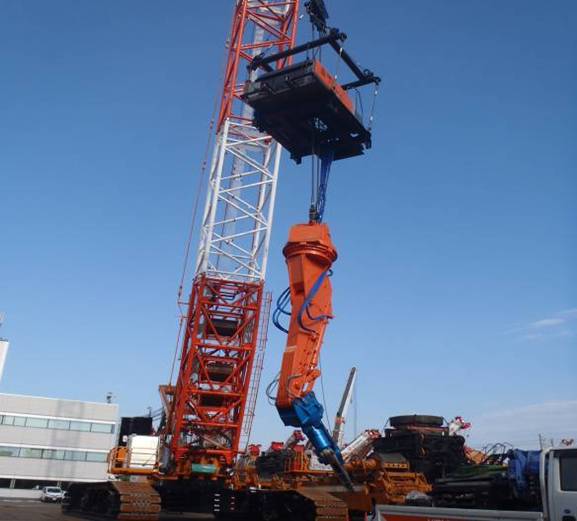
Looking at the other short video below and the photographs that TEPCO also released on September 24, I can't fault those Kajima workers who are operating these machines and tools by remote control. It looks extremely awkward and difficult to do.

The remote-controlled hydraulic shears cut the metal held by the remote-controlled grabber, both dangling from the crane by wire.


Hydraulic shears (cutter):


Hydraulic grabber:


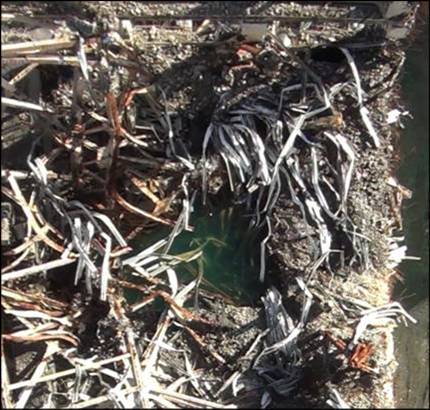
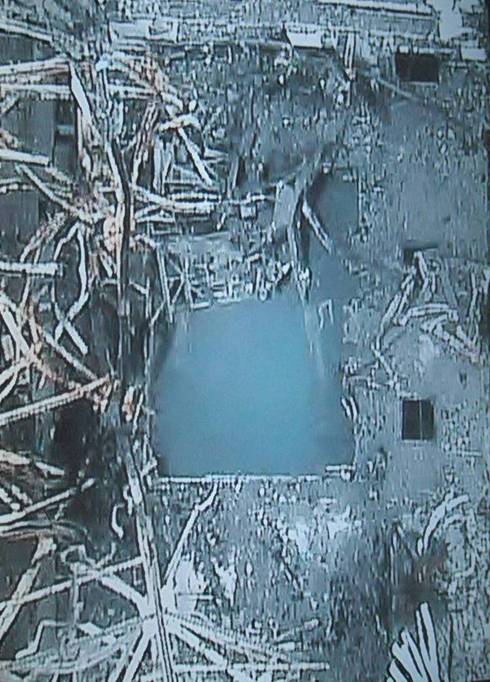
Before-and-after photos of Reactor 3 SFP:

Before (11/10/2011):


After (9/21/2012):


The worker who's been tweeting from Fuku-I since March last year said in his tweet that the workers wearing tungsten vests were braving the extremely high radiation and high heat of the summer to clear the debris enough to do the final assemble of the platforms. And he says, "...but no one reported it."

Instead, TEPCO gets comments like "They don't have a shred of credibility", for which I feel sorry for the workers, TEPCO and subcontractors alike.

TEPCO also released the videos of inside the Spent Fuel Pool. See my next post.

Saturday, September 22, 2012

#Fukushima I Nuke Plant Reactor 3 Platforms for Debris Removal


(UPDATE) TEPCO released the video from the crane. See my latest post.

===========================================

NHK has an aerial video of Reactor 3 at Fukushima I Nuclear Power Plant, in reporting the incident of a 470-kilogram steel frame (30 centimeters x 20 centimeters x 700 centimeters) dropping into the Spent Fuel Pool on September 22.

The link probably won't last (since it's NHK), but here's a screenshot of the video that shows the sides of Reactor 3 building now have platforms on which to put heavy equipment to remove the debris.


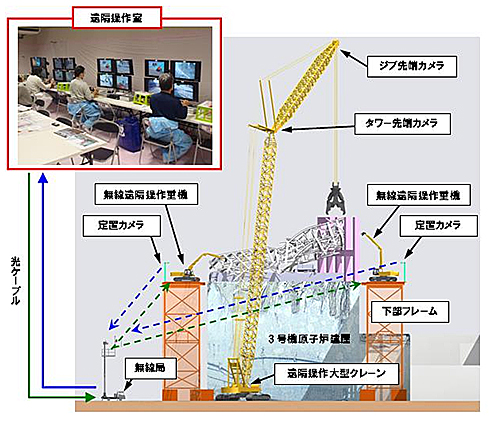
As I mentioned in the previous post, debris removal is being done by remote-controlled equipment (in this case, a large crane) by workers in a control room; the system was devised by Kajima (see their press release from April this year:


If the crane failed to grab the steel frame and the frame dropped into the SFP, the whole sequence should have been captured by the video cameras (two on the crane arm, at least two on the platforms). I wonder if TEPCO or Kajima releases the video.

(UPDATED) Just In: Steel Frame Dropped into #Fukushima Reactor 3 Spent Fuel Pool by Accident


(UPDATE 9/24/2012) TEPCO released the video from the crane. See my latest post.

===========================================

(UPDATE) TEPCO has done the analysis of water in the Reactor 3 SFP, and the amount of cesium was pretty much the same as before the incident. From TEPCO Direct (9/22/2012):

Cesium 134: 2.2 x 10^3 Bq/cubic centimeter
Cesium 137: 3.6 x 10^3 Bq/cubic centimeter

Measurement done on September 21, 2012 (reference):

Cesium 134: 2.4 x 10^3 Bq/cubic centimeter
Cesium 137: 4.0 x 10^3 Bq/cubic centimeter

==============================================

Removal of debris on the operation floor of Reactor 3 at Fukushima I Nuclear Power Plant is being done by remote-controlled heavy equipment on the platforms built outside the reactor building. The system was devised by one of TEPCO's main subcontractor Kajima.

From Jiji Tsushin (9/22/2012, 4:54PM):

3号機プールに鉄骨落下=重さ470キロ、福島第1-東電

Steel frame weighing 470 kilograms dropped into Reactor 3 Spent Fuel Pool at Fukushima I Nuclear Power Plant, TEPCO says

東京電力は22日、水素爆発した福島第1原発3号機原子炉建屋のがれき撤去作業中に、重さ約470キロの鉄骨が使用済み燃料プールに落下したと発表した。これまでのところ、周辺で放射線量に大きな変動はないという。

TEPCO announced on September 22 that a steel frame weighing about 470 kilograms dropped into the Spent Fuel Pool of Reactor 3 during the debris removal operation of the Reactor 3 building of Fukushima I Nuclear Power Plant which had a hydrogen explosion. So far, there is no major increase in radiation levels nearby, TEPCO says.

東電によると、22日午前11時5分すぎ、3号機原子炉建屋5階の使用済み燃料プール脇にあるがれきのH鋼をクレーンでつかもうとしたところ、失敗。プールに滑落したという。

According to TEPCO, the accident happened at 11:05AM on September 22 when [the crane operator] tried to grab a piece of debris, an H steel lying next to the Spent Fuel Pool on the 5th floor of Reactor 3 building and failed. The H steel slid into the Spent Fuel Pool.


A steel beam weighing 470 kilograms shouldn't be very big. But according to this person who called TEPCO's Public Relations to ask about the incident, TEPCO is investigating, because the steel beam could damage the fuel assemblies.

Well, it's easy for TEPCO to say. The question is how they are going to do it. Debris removal of Reactor 3 is done by remote control for very good reasons. First, it's such a mess on the operating floor that the workers can't even go there. Second, radiation levels are just too high for the workers to go there. So, how is TEPCO going to investigate?

But since it is Saturday in Japan, TEPCO is not scheduling a press conference.

Friday, August 17, 2012

Platform Now Covers the NW Side of Reactor 3 at #Fukushima I Nuke Plant


It's not just for Reactor 4 that TEPCO has been trying to build a support structure in preparation for the removal of fuel assemblies from the Spent Fuel Pool.

Workers (probably from general contractor Kajima and its subsonctractors) have been busy clearing the debris from the operating floor of Reactor 3 and building a platform (or frame, as Kajima calls it), which you see in the July 24 photo that TEPCO included in the monthly report for the Working Group for Decommissioning of Reactors 1 through 4 at Fukushima Nuclear Power Plant.

According to the report, the steel platform was fabricated at the on-site yard on the ocean side (east) and brought to the northwest side of the Reactor 3 building.

From TEPCO's monthly (July 2012) report (page 61):


Radiation levels on Reactor 3's operating floor are supposedly extremely high. Kajima is using remote-controlled (unmanned) cranes and other heavy equipments to remove the debris. The platforms (or frames) will be used to effectively remove the debris by remote control. According to the press release from April this year, Kajima also developed a system (patent pending) to remotely re-fuel the equipments on the platform.

Tuesday, July 17, 2012

#Radioactive Japan: 16-Year-Old Boy Was Working at #Fukushima I Nuke Plant in May Last Year


TEPCO says the company found out about it only this month, this year.

But what's more disturbing is what Jiji Tsushin reports in the article below: that the job application was submitted by the boy's relative. The article doesn't say what relationship this relative has to the boy.

From Jiji Tsushin (7/17/2012):

16歳少年が作業=福島第1原発、労基法違反-東電

16-year-old boy worked at Fukushima I Nuke Plant, against Labor Standards Law, says TEPCO

東京電力は17日、昨年5月から6月にかけ、東京電力福島第1原発で当時16歳の少年が作業していたと明らかにした。同原発の事故後、労働基準法違反に当たる18歳未満の就労が判明したのは2人目。

TEPCO disclosed on July 17 that a 16-year-old boy had worked from the end of May to early July last year at Fukushima I Nuclear Power Plant. It is against the Labor Standards Law to employ people under the age of 18 to work [this is not exactly correct; more later in the post], and it is the second such case at Fukushima I Nuclear Power Plant since the accident.

東電によると、鹿島建設の下請け企業に少年の親族が雇用を申し入れた際、18歳と年齢を偽っていたという。

According to TEPCO, when the boy's relative applied for the boy to work for a subcontractor of Kajima, the relative falsified the age as 18.

少年は津波で破損した車両の解体作業に従事。6日間働き、被ばく線量は内部と外部合わせて0.45ミリシーベルトだった。今月になって、作業員の登録解除手続きのため、親族から取り寄せた少年の健康保険証で詐称が判明した。

At the plant, the boy was engaged in dismantling the vehicles damaged by the tsunami. He worked for 6 days, and the radiation exposure was 0.45 millisievert, including both internal and external exposures. The falsification was discovered this month when TEPCO [or Kajima?] asked for the [copy of the] boy's health insurance card from the relative in order to cancel worker registration [at the plant].


In Japan, health insurance is mandatory, and the health insurance card is often used as a form of ID.

Under Japan's Labor Standards Law, companies can employ people under the age of 18, provided that:

  1. The company have the applicant submit his/her census-register certificate to verify the age;

  2. The applicant himself/herself enter into labor contract, not the relative(s) on behalf of the applicant;

  3. The applicant's relative(s) cannot receive wages on behalf of the applicant;

  4. The applicant won't be made to work overtime.


The mandatory school education in Japan ends at junior high school. Upon graduation, most students are 16 years of age, and eligible to work. So, the violation in this case may be that:

  1. The relative falsified the age of the applicant so that no age verification would be required (the hiring subcontractor may have colluded in this);

  2. The relative may have entered into the labor contract on behalf of the applicant, which is against the law;

  3. The relative may have received the wages, which is against the law;

  4. The applicant may have worked overtime at the plant, which is against the law.


There is no information about the boy's family's situation, but it must have been dire if the family had to rely on the boy working at Fukushima I Nuke Plant under false papers.