Showing posts with label baseless rumor. Show all posts

Wednesday, February 5, 2014

#Fukushima I NPP Groundwater Bypass Plan: TEPCO/METI Prepare for Release of "Uncontaminated" Groundwater into Ocean


The word "uncontaminated" in the title above is in quotation marks, because there may be radionuclides left in the groundwater to be released, particularly tritium, even though it is the water drawn from the wells placed on the west side of the reactor buildings - i.e. before the groundwater enters the reactor buildings and gets contaminated.

From Jiji Tsushin (2/3/2014), after the regular press conference by TEPCO:

地下水放出へ運用目標=トリチウム1500ベクレル未満-福島第1

Fukushima I NPP targets set for releasing groundwater into the ocean, tritium less than 1500 Bq/L

東京電力は3日、福島第1原発で汚染される前の地下水を海に放出する計画について、放射性物質の濃度を定めた運用目標を策定した。セシウム134、同137は1リットル当たり1ベクレル未満、ストロンチウム90などベータ線を出す放射性物質は同5ベクレル未満、トリチウムは同1500ベクレル未満とした。

On February 3, TEPCO announced the operating targets for densities of radioactive materials in groundwater to be relased into the ocean. The groundwater is drawn before it enters the reactor buildings and gets contaminated. The targets for cesium-134 and cesium-137 will be less than 1 Bq/L each, all-beta less than 5 Bq/L, and tritium less than 1,500 Bq/L.

放出計画は汚染水抑制策の一環。海に流せる法定の基準に比べ、運用目標は濃度を4分の1以下にした。地元漁業者に説明し、放出計画への理解を求める。

The groundwater release is part of the plan to reduce contaminated water. The densities of radioactive materials are less than 1/4 of the legal limits for release into the ocean. TEPCO will talk with the local fishermen to obtain their understanding of [consent to] the release.

基準を上回った場合は放出を中止して浄化し、基準値未満にして再開する。ベータ線を出す放射性物質は、目標よりさらに低い同1ベクレル未満になるまで浄化する方針。

If the densities are above the operating targets, the release will be suspended and the water will be purified before the release resumes. For beta nuclides, TEPCO plans to purify until the density is less than 1 Bq/L, lower than the operating target.


And here's METI (Ministry of Economy, Trade and Industry)'s effort in persuading the fishermen.

From Kyodo News (2/3/2014):

地下水バイパス稼働に理解求める 経産副大臣、全漁連に

Vice Minister of Economy asks National Federation of Fisheries Co-operative Associations for understanding of the start of groundwater bypass

経済産業省の赤羽一嘉副大臣は3日、全国漁業協同組合連合会に対し、東京電力福島第1原発の汚染水対策として、地下水をくみ上げて海に放出する地下水バイパスの稼働への理解を求めた。

Vice Minister of Economy, Trade and Industry Kazuyoshi Akaba asked National Federation of Fisheries Co-operative Associations for understanding of the start of groundwater bypass, which is part of dealing with the contaminated water at Fukushima I Nuclear Power Plant. The groundwater bypass will draw groundwater and release the water into the ocean.

経産省側は、漁業者の懸念を取り除くため、くみ上げた地下水を放出する際、放射性物質の濃度について、現行基準より厳しい運用基準を適用する考えを明らかにした。

[Vice Minister Akaba said] METI will apply the operating standards that are stricter than the existing standards in radioactive material density in the groundwater that will be drawn, in order to mitigate concerns from fishermen.

原子炉建屋に流れ込む地下水は、汚染水増加の原因となっている。地下水バイパスは汚染される前に地下水をくみ上げるが、漁業関係者を中心に、風評被害などへの懸念が強く、運用できない状況が続いている。

The groundwater that leaks into the reactor building is one of the causes for increase in contaminated water. According to the groundwater bypass scheme, the water will be drawn before it gets contaminated. However, concerns for baseless rumors remain strong particularly among fishermen, which has prevented the scheme from being implemented.

I wonder how TEPCO is going to "purify" the water to less than 1Bq/L. My guess is dilution, particularly if it is tritium which cannot be effectively removed on a large scale.

But it probably doesn't matter, as one day later Minister of Economy, Trade and Industry says METI has already obtained "a certain level of understanding" from the fisheries co-op.

From Jiji Tsushin (2/4/2014):

全漁連から一定の理解=福島第1原発の地下水対策-茂木経産相

Minister of Economy Motegi says a certain level of understanding from the fisheries co-op in dealing with the groundwater at Fukushima I NPP

茂木敏充経済産業相は4日の閣議後記者会見で、東京電力福島第1原発の汚染水対策である「地下水バイパス」計画について、全国漁業協同組合連合会(JF全漁連)から「必要性については一定の理解を得ている」との認識を示した。赤羽一嘉経産副大臣が3日、全漁連の岸宏会長に計画の概要を説明し、理解を求めていた。

In the press conference after the cabinet meeting on February 4, 2014, Minister of Economy, Trade and Industry Toshimitsu Motegi said [the ministry] has obtained "a certain level of understanding as to the necessity" of the groundwater bypass plan from the National Federation of Fisheries Co-operative Association in dealing with the contaminated water at Fukushima I Nuclear Power Plant. Vice Minister Kazuyoshi Akaba had met with Hiroshi Kishi, Chairman of the National Federation of Fisheries Co-operative Association on February 3 to explain the outline of the plan and ask for understanding.


So the National Federation of Fisheries C-op Association will bear down on the Fukushima Federation of Fisheries Co-op Association, who will then bear down on the local Fisheries Co-ops in cities like Iwaki. The local Co-Ops will bear down on individual fishermen, who will probably need little persuasion, as they are eager to resume fishing.

TEPCO/METI plan to release groundwater seems to be back on track, as if the ground contamination in the very area where the wells were dug for the groundwater drawing had never happened in August 2013.

Right near where the wells are, there are huge tanks, mostly riveted together and meant to last for no more than 5 years, that contain highly radioactive (mostly beta nuclides, not gamma) waste water after reverse osmosis (desalination) treatment. Several of the tanks in the area were found to have leaked this waste water although no one knows exactly how much waste water leaked or how it leaked, and the leak may be slowly finding its way towards the wells. The elevated levels of tritium have already been measured, although they are well below the operating target of 1500 Bq/L.

Locations of the wells for drawing groundwater for the groundwater bypass scheme, and the sample water analysis (from TEPCO, 1/30/2014): the highest contamination of tritium recorded was 1,000 Bq/L from No.12 well on 12/24/2013.


Latest measurement of contamination levels in the H4 tank area, located southeast of the wells (from TEPCO, 2/6/2014):


For more on the "RO Waste Water Leak of August 2013", click here.

Nuclear Regulation Authority is yet to approve the operating targets, so all is not yet clear for TEPCO/METI. It is muddled as ever as to who is in charge of regulating TEPCO on the Fukushima I NPP accident cleanup efforts. It is supposed to be NRA, but it is increasingly tied up with the evaluation of nuclear power plants under the new guidelines in preparation for the restart. It looks METI is there (as it has always been there) to give the plant operators like TEPCO a way out, a bypass around the regulators.

Sunday, December 29, 2013

(OT) Is This the Level of Understanding on Fukushima I NPP Accident in the US?


(UPDATE 12/31/2013) For those who want the summary of the steam incident since July this year and the Reactor 3 operating floor condition since the March 2011 accident, I have a new post.

====================

An acquaintance who casually follows the Fukushima I NPP accident sent me a link, quite worried. I opened the link, and I started laughing, then I despaired - realizing that this may be the current level of understanding in the US when it comes to the Fukushima I NPP accident.

I have no idea who this is ("Turner Radio Network - Free Speech, No Matter Who Doesn't Like It"), but it has an urgent news flash on December 28, 2013:


Persons residing on the west coast of North America should IMMEDIATELY begin preparing for another possible onslaught of dangerous atmospheric radiation from the Fukushima nuclear disaster site in Japan. The Tokyo Electric Power Company (TEPCO) says radioactive steam has suddenly begun emanating from previously exploded nuclear reactor building #3 at the Fukuishima disaster site in Japan. TEPCO says they do not know why this is happening and cannot go into the building to see what's happening due to damage and lethal radiation levels in that building. Experts say this could be the beginning of a "spent fuel pool criticality (meltdown)" ...


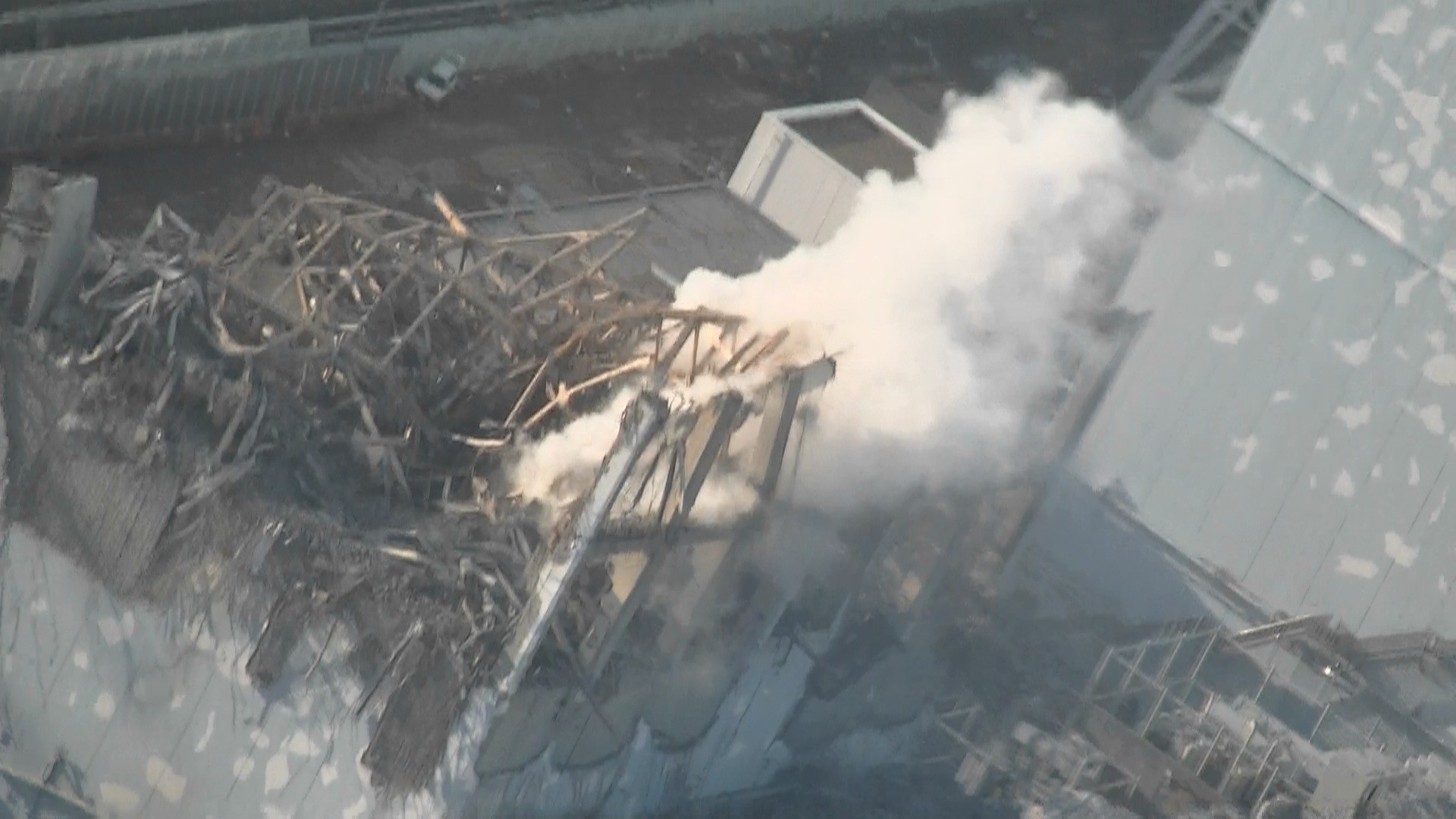
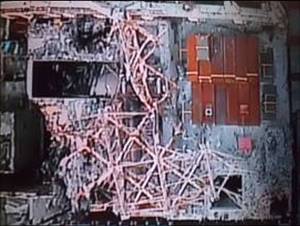
The page shows a photograph of Reactor 3 steaming vigorously to lend support to the contention above.

The problem? It is a photo from March 2011 right after the building blew up.

Further down the post,

The video below was taken several months ago by TEPCO. It shows that the roof is totally blown off reactor building # 3


Uh... no. All the debris on the operating floor of Reactor 3 has been painstakingly removed, piece by piece, by remote-control cranes and shovels supervised by carbon-based human workers wearing tungsten vests who were physically there on the platform surrounding the reactor building.

The readers of this blog know (I hope) about the story of this "steam" rising from Reactor 3's operating floor. The best hypothesis so far is that this is a combination of rainwater going through the gaps and reaching the Containment Vessel below and being heated up and the steam leaking from a breach somewhere in the Containment Vessel as nitrogen gas is injected into the CV. The steam tends to get observed when it is raining or after it rains.

The steam rising from the gap in the Reactor 3 operating floor looks like this:


I suppose it is free speech to claim this is vigorous enough to reach the height of the jet stream and hit the west coast of North America. Or, to use the favorite refrain among many Japanese, "erring on the side of caution".

The lack of coverage of the Fukushima nuclear accident by the established media in the US has been being filled by the alternative media. For good or bad.

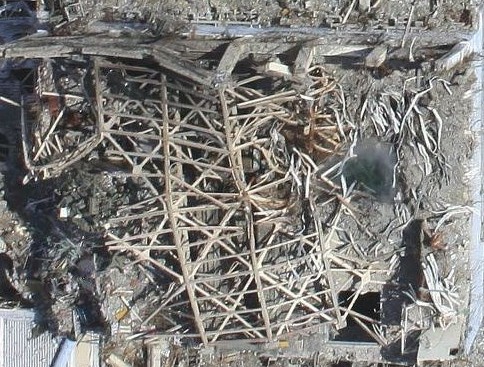
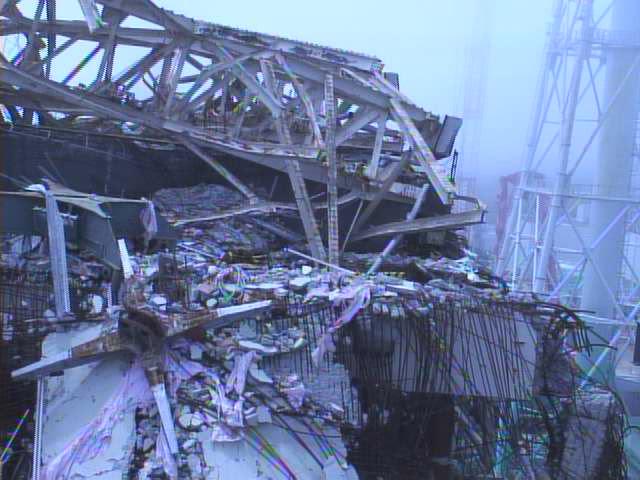
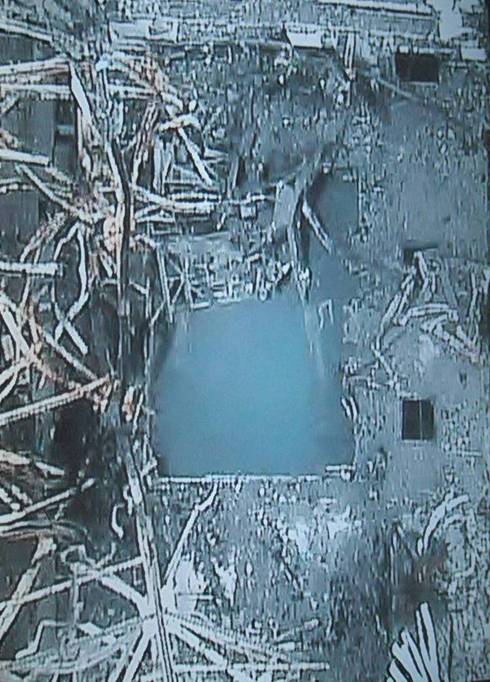
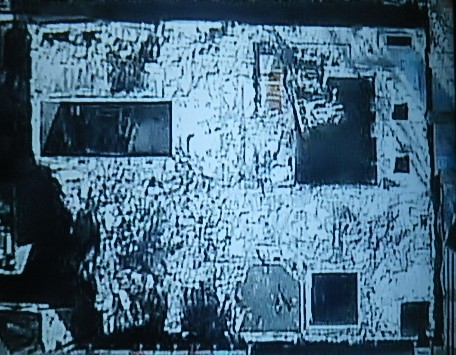
For those who care to know, this is what the operating floor of Reactor 3 looked like, and looks like now (from TEPCO's photos and videos library):

March 16, 2011:


March 24, 2011:


July 11, 2012:


September 21, 2012 (SFP, when TEPCO started removing the debris):


May 25, 2013:


October 10, 2013:

Friday, December 27, 2013

Japanese Agricultural Export in 2013 to Surpass 500 Billion Yen for the First Time in 5 Years


(UPDATE) Wait a minute.... Japanese yen has depreciated by 30 percent against the US dollar compared to one year ago. Of course the amount of export would "increase", because of the exchange rate difference.

====================

and may come very close to, if not pass, the all-time high of 532.8 billion yen (US$5.328 dollars) in 1984.

40% of all agricultural export is fish and marine products.

Buyers are Hong Kong and other Asian countries, and the United States.

Jiji Tsushin (12/27/2013) reports:

5年ぶり5000億円台回復=13年の農水産物輸出額

Agricultural export in 2013 is set to surpass 500 billion yen for the first time in 5 years

2013年の食品・農林水産物の輸出額が5年ぶりに5000億円台に乗せることが27日明らかになった。東京電力福島第1原発事故の風評被害で輸出は一時落ち込んだが、13年は国産品の味や安全性、世界的な和食ブームを追い風に、前年を2割以上上回るペースで急回復。過去最高だった1984年(5328億円)に迫る勢いだ。

It has been revealed that the food and agricultural export in 2013 is set to surpass 500 billion yen [US$5 billion] for the first time in 5 years. The agricultural export dipped temporarily due to baseless rumors after the Fukushima I Nuclear Power Plant accident, but in 2013 it has rebounded markedly, growing by more than 20% compared to last year because of the [superior] taste and safety of the Japanese products and the worldwide popularity of the Japanese cuisine. It may approach the all-time high of 532.8 billion yen in 1984.

農林水産省の集計によると、13年1~10月の輸出額は前年同期比23.0%増の4431億円。品目別では、輸出全体の約4割を占める水産物が32.4%増加。ホタテ貝やサバなどの出荷も好調に推移しているのが要因だ。加工食品も2桁の伸びとなっている。

According to the data collected by the Ministry of Agriculture, Forestry and Fisheries, the amount of export from January to October in 2013 grew 23% compared to the same period last year to 443.1 billion yen [US$4.431 billion]. Fish and marine products make up 40% of the export, and they grew by 32.4% in 2013. The growth came from brisk sales of Japanese scallops and mackerels. Export of processed foods also grew by double digit.

輸出先は、香港をはじめとしたアジア各国や米国が中心となっている。来年1月上旬に発表予定の11月実績を加えれば、13年1~11月の累計輸出額は4900億円に達するもよう。さらに12月の数値が上乗せされれば、過去最高を更新する可能性もある。

Main export destinations include Hong Kong and other Asian countries and the United States. When the November result, to be announced in the first half of January next year, is added, the cumulative amount of agricultural export from January to November 2013 is expected to reach 490 billion yen [US$4.9 billion]. When the December result is added, it may make a new all-time high.


Jiji reports as if the drop in agricultural export were caused by "baseless rumors". If I remember correctly, many countries in the world banned or severely restricted the import of agricultural products from Japan because of radioactive materials (radioactive iodine and cesium for the most part) found in them after the nuclear accident.

Thursday, November 28, 2013

TEPCO Drops Video Camera into #Fukushima Reactor 3 Spent Fuel Pool by Accident, and Other Japanese Et Cetera


Feel like rolling our collective eyes and saying "Whatever...", or "WTF?" (take your pick)?

Here we go...

1. Ever-clumsy TEPCO drops a video camera into the Reactor 3 Spent Fuel Pool.

From Kyodo News (11/28/2013):

東京電力は28日、福島第1原発3号機の使用済み核燃料プールで、水中のがれき撤去に向けた準備作業中、誤って監視用のカメラをプール内に落としたと発表した。カメラは重さ約5・5キロで、落下による燃料損傷の恐れはないとしている。

TEPCO announced on November 28 that a monitoring camera was dropped into the Spent Fuel Pool of Reactor 3 at Fukushima I Nuclear Power Plant by mistake, during the preparation work for the removal of debris inside the pool. The camera weighs about 5.5 kilograms, and the company says there is no danger of fuel damage from the drop.

東電によると、28日午前11時すぎ、監視用の水中カメラを遠隔操作で引き上げたところ、ケーブルが切れ、数メートルの高さから落下した。ケーブルを巻き上げすぎたことが原因で、巻き上げを止める安全装置も作動しなかったという。

According to TEPCO, when the workers pulled the monitoring camera out of the water via the remote control, the cable snapped, and the camera dropped from the height of several meters. The cable snapped when it was wound up too tight, and the safety mechanism to prevent the tight winding failed to work.


Unlike Reactor 4's operating floor, Reactor 3's operating floor is too radioactive for humans (and for robots, probably) with one location above the shield plug exceeding 2 Sievert/hour air dose rate.

2. The 33rd Ministry of Justice human rights essay contest for junior high school students has been won by a student in Miyagi Prefecture who wrote not buying Fukushima's peaches because of radiation fear was the same as him being "discriminated" against by his classmate for being a Chinese national.

Refusing the Fukushima produce because of radiation fear is tantamount to racial discrimination, according to the student and the Ministry of Justice who selected his essay as the best of the best this year. (The essay in PDF here, for those of you who read Japanese.) Not buying Fukushima produce, as the government tells you to? You're racist (or, transliterated into Japanese as "reishisuto" with "r" pronounced like "l")!

3. Perishable food price in Japan shot up 16.6% compared to a year ago, with overall consumer price (including food and energy) up 1.1%, according to Reuters Japan. BOJ's Kuroda seems happy that his "QE from another dimension" (or I'd call it Twilight Zone QE) is working, the media paints it as evidence that "Abenomics" (or "Avenomics" ) is working. Good luck, working class citizens of Japan.

4. A citizen was forcibly removed from the balcony in the Diet where he was observing the debate of the State Secrecy Protection Law in the Lower House on November 26, 2013, as he shouted his opposition to the passage of the law. His mouth was stuffed with cloth so that he couldn't shout any more while being removed by several guards against his will.

(From Tokyo Shinbun, 11/26/2013, via this tweet)


What's even scarier to me than the man being forcibly removed by the guards is people sitting near him. They just sit there as if nothing is happening. They are not even looking; the one in the same row even looks away.

5. While the above citizen was being hauled away by security guards, the Representatives in the Lower House in the supposedly tense and heated debate over the State Secrecy Protection Law were anything but tense and heated, according to Nikkan Gendai (11/27/2013).

Nikkan Gendai claims a Representative from Democratic Party of Japan, a hawk who has more in common with LDP and Prime Minister Abe, gave a speech voicing his "opposition", sat down, and started checking emails on his cellphone. The photo shows some "Mama" praising him for the wonderful speech:

Friday, September 27, 2013

Trial Fishing in Iwaki City in #Fukushima to Start, Fish Caught Will Be Sold If They Pass Monitoring (Sampling) Test


It will be the first time in two and a half years since the start of the nuclear accident on March 11, 2011 that fishermen in Iwaki City in southern Fukushima will fish on a "trial" basis.

Also, the fishery association in Soma City, 48 kilometers north of Fukushima I Nuclear Power Plant, will resume its "trial fishing".

When I first read the Kyodo News (9/25/2013) below, it somehow did not occur to me that the fish caught would be sold to the market. I was lulled by the word "trial", and totally forgot that the fishery association in Soma City was selling the fish that they caught in their trial fishing.

In Japanese terminology, a "trial fishing" only means "it is not full operation", whether it is in terms of the number of fishing boats or the number of fish allowed or the number of species allowed. It is a commercial operation in which fishermen are allowed to sell their catch.

First, from Kyodo News on the Soma City fishery association:

福島の試験操業が再開 組合長「やる気示す」

Trial fishing in Fukushima resumes, fishery association head says "we'll show our determination"

福島県北部の相馬双葉漁業協同組合が25日、東京電力福島第1原発事故による汚染水問題のため中断していた試験操業を再開し、午前2時ごろ、約20隻の漁船が松川浦漁港(相馬市)から次々と出港した。同日午後に帰港し、水揚げする予定。

Soma/Futaba Fishery Association in northern Fukushima resumed the trial fishing on September 25, as about 20 fishing boats started leaving the Matsukawaura Port (Soma City) at 2AM. The trial fishing was halted because of the contaminated water problem at FUkushima I Nuclear Power Plant. The boats are due to return in the afternoon with their catch.

佐藤弘行組合長は出港前、集まった漁師たちに「東電や国、世の中の人たちに『本格的な操業を目指していく』というやる気を示すため、試験操業をしていかなければいけない」と呼び掛けた。

Hiroyuki Sato, head of the association, told the fishermen before leaving port, "We will have to continue trial fishing to show out determination to TEPCO, the national government, and people in general that 'we are aiming at full operation'."

水神丸の船主、浜内正芳さん(58)は「漁に出られるのはうれしい。風評被害のことが頭に残っているが、一歩ずつ進むことでやる気を伝えたい」と話し、船に乗り込んだ。

Masayoshi Hamauchi (age 58), shipowner of Suijin-maru said, "I'm happy to be able to fish. I'm still worried about baseless rumors but we want to show our determination, one step at a time."


While Kyodo News is vague about "trial fishing" (or assumes everyone knows that the fish caught will be sold), Fukushima's local paper Kahoku Shinpo (9/25/2013) makes it clear for us:

福島県漁連は24日、福島県福島市で組合長会議を開き、福島第1原発事故の汚染水問題で見送っていたいわき市漁協の試験操業を10月3日に始めることを決めた。福島県南部での試験操業は初めて。試験操業の再開を延期していた相馬双葉漁協(相馬市)については、今月25日の再開を決めた。

The Fishery Association of Fukushima Prefecture held a meeting of association heads on September 24 in Fukushima City, and decided that the Iwaki City fishery association will start trial fishing on October 3. It will be the first trial fishing in the southern Fukushima. It was also decided that the Soma-Futaba fishery association (in Soma City) will resume on September 25.

県や東電が魚介類や海水に含まれる放射性物質を調べた結果、安全性が確認できたため。当面はメヒカリやミズダコなど16の魚種を対象とし、モニタリングで問題がなかった分を出荷する。

The decisions were made because the safety [of the catch] was ascertained after the Fukushima prefectural government and TEPCO tested radioactive materials in marine products and ocean water. For now, the Iwaki City fishery association will only catch 16 species including Chlorophthalmus borealis and Enteroctopus dofleini. Monitoring [sampling] tests will be conducted, and if there is no problem [below the national safety standard] they will ship and sell the catch.

...いわき市漁協の矢吹正一組合長は「2年半待った試験操業が始まることになり感無量だ。東電は汚染水対策をしっかり講じてほしい」と話した

Shoichi Yabuki, head of the Iwaki City fishery association, said, "We've been waiting for this trial fishing for two and a half years. We want TEPCO to install thorough countermeasures against contaminated water."


After two and a half years since the accident, fishermen in Fukushima are finally joining farmers in Fukushima - just blame fickle consumers for not buying their stuff.

If consumers have no means of knowing whether the fish they buy at supermarkets are from off the coast of Fukushima, there will be no baseless rumors anyway.

Tuesday, July 16, 2013

Tuesday Humors: Naoto Kan Sues Shinzo Abe for Defamation, Self Defense Force Dispels Baseless Rumors on Ibaraki Beach, NRA Starts Nuke Plant Inspection, TEPCO's Shares Jump 12% in One Day


You really can't take any of them seriously, can you?

Former Prime Minister Naoto Kan sues current Prime Minister Shinzo Abe for defamation, over Abe's email magazine's mention of Kan "stopping the injection of seawater into the reactor and later taking credit for seawater injection". According to Kan, that's patently false. Why is he suing Abe now, for the mail magazine article that appeared in May 2011? I suppose in Kan's mind the lawsuit should boost the chance of his party, Democratic Party of Japan, in the coming Upper House election (July 21 for most of Japan).

From Sankei Shinbun (7/16/2013; part):

安倍首相のメールマガジンは平成23年5月20日付配信。首相は「東電はマニュアル通り淡水が切れた後、海水を注入しようと考えており、実行した。しかし、やっと始まった海水注入を止めたのは、何と菅総理その人だった」と記載。その上で「海水注入を菅総理の英断とのウソを側近は新聞・テレビにばらまいた」としている。

Prime Minister Abe's mail magazine was distributed as of May 20, 2011. According to Prime Minister [Abe] wrote, "Following the manual, TEPCO was planning to inject seawater after the supply of fresh water depleted. However, it was Prime Minister Kan himself who stopped the seawater injection which had just started." Further, he wrote "[Mr. Kan's] advisors then spread the lie in newspapers and TV that injection of seawater was Prime Minister Kan's heroic decision."

菅氏は「内容は全くの虚偽の情報に基づく。私の名誉を著しく傷つける中傷記事だ」と述べた。

Mr. Kan said [in the press conference he held in the Diet building], "The content is based on totally false information. The article has severely damaged my honor."


(Go ahead and laugh now.)

Next, Self Defense Force tanks and ship on the Ooarai beach in Ibaraki Prefecture. Saturday July 13 was the beach opening day for Ooarai in Ibaraki, the town become famous because of a popular "anime" based on the town.

To an outsider (including myself), the anime, "GIRLS und PANZER", is totally hilarious, totally detached from the reality-based world where everyone else lives but the Japanese in Japan. It is about a world where cute high school girls are well-trained and versed in "the way of tanks" (like "the way of tea" or "the way of flower arrangement").

Ooarai requested tanks and a training ship from Self Defense Force to attract more people to town on the beach opening day, as the town's beach is suffering from "baseless rumors". Self Defense Force obliged, as it wants to increase recruitment. So the event was a triple-win: Ooarai dispelling baseless rumors, anime fans getting to do their cosplay on the real tanks and real ship, and SDF promoting itself to the population.

See how they all enjoy the day on the beach... (Screenshots of a TV report of the event from this blog at 2ch; click to enlarge):


Next, Asahi Shinbun reports (7/26/2013) that Nuclear Regulatory Authority has started the examination and inspection of 10 reactors at 5 nuclear plants. They are:

Hokkaido Electric: Tomari Reactors 1, 2, 3
Kansai Electric: Takahama Reactors 3, 4, Ooi Reactors 3, 4
Shikoku Electric: Ikata Reactor 3
Kyushu Electric: Sendai Reactors 1, 2

(For the locations of these plants, see my post from July 5, 2013.)

According to Asahi, assessment of Ooi reactors won't be done while the faults inside the compound are being investigated, and assessment of Tomari Reactors 1 and 2 will be delayed as Hokkaido Electric wants Reactor 3 to be assessed first. (That's the reactor where use of MOX fuel is planned.)

So, there are 6 reactors to be assessed. Asahi says three teams will each assess two, three reactors concurrently, and one team is specialized in earthquake/tsunami assessment. There will be 80 people at Nuclear Regulatory Agency (secretariat of Nuclear Regulatory Authority) doing the assessment. And all this to be finished in about 6 months.

NRA spent less than 6 months coming up with the safety regulatory standards, and now will spend 6 months (or less, my guess) in applying the standards.

(You can laugh now.)

And last but not least, for no good reason that I could find, TEPCO's shares jumped 12.6% in one day on Tuesday in Japan. Contaminated groundwater found along the seawall must be bullish for the stock. After all, for a long time now, particularly in the US but also elsewhere, bad news is good news, and bullish for the stock market.

From Nikkei Shinbun, TEPCO's intraday chart (7/16/2013):


The 5-year chart shows a shallow cup and handle pattern, and if that plays out TEPCO's shares could be going over 1,300 yen:


"OT" humor: Russia's RIA Novosti reports (7/15/2013) that "US Urges Russia to Protect Reporters, Human Rights Activists", and "Putin Blasts US for Intimidation in Snowden Asylum Saga".

Wednesday, July 10, 2013

Japanese Upper House Election: PM Abe "I'm Healthy Because I Eat Fukushima Rice, and LDP/Komei Stable Majority Will Result in Proud Japan"


After re-reading what Mr. Masao Yoshida said last year and thinking about what he and his men had to go through at Fukushima I Nuclear Power Plant after March 11, 2011, it is almost revolting to relate to you what the current prime minister of Japan is saying to win the election for the LDP candidates.

Prime Minister Abe, whose party is set to win a landslide in the coming Upper House election (on July 21), has been going all over Japan to give campaign speeches for LDP candidates, probably inhaling oxygen regularly.

Unlike a handful of candidates that I've listened to (Taro Yamamoto, for one), Abe's speeches are totally devoid of meaning but sprinkled with sound bytes like "recovery" "strong" "proud" that he utters with his high-pitched voice, no doubt aimed at making people look longingly over the horizon for the better, brighter, and fuzzy future for the nation of the rising sun. (Never mind the dog shit at their feet, and it is the nation of the setting sun seen from the US...)

Here are two gems from the recent Abe's utterance.

First, from his July 4 appearance in Iwaki City in Fukushima Prefecture in support of LDP's Masako Mori, the minister in charge of consumer affairs and increasing the number of children in Japan who has declared all-out war to eradicate "baseless rumors" to help farmers in Fukushima Prefecture by forcing retailers to carry Fukushima produce. She is from Fukushima Prefecture, naturally.

Video from Merx.me:


At about 7 minutes into the boring speech:

課題があります。それは風評被害です。
残念ながらまだ風評被害があって、オイシイ、オイシイ、福島の農産品、値段が低い、あるいはなかなか売れない、世界でもまだ日本からの福島県産の輸入を認めてもらえない。これを変えていく。

We have something we should deal with. And that's baseless rumors. There are baseless rumors, unfortunately, and delicious Fukushima produce can only get low prices or it is hard to sell them. Countries still do not allow import of Fukushima produce from Japan. We will change that.


At about 11 minutes:

今日、私は、こうやって元気いっぱいお話をさせていただいています。何故、私が、こんなに元気かといえば、実は毎日、お昼、官邸で福島産のお米を食べているからであります。

首脳会談をやるたびに、私は、相手の首脳にいってるんです。私は福島産のお米を食べているんですよ。そういっています。
しっかりと風評被害を払しょくして、インフラを加速化して、福島の復興、全力でとりくんでいきます。

そして、何よりも、福島の子供たちの健康を森さんとともに断じて守っていく、このこともお約束申し上げるしだいであります。

Today, I am speaking to you full of vigor and health. Why am I so full of vigor and health? To tell you the truth, it's because I eat rice from Fukushima at my official residence everyday for lunch.

When I meet foreign leaders at summit meetings, I tell them, "I am eating rice from Fukushima". I am saying that.

I will eradicate baseless rumors completely, accelerate [the buildup of] infrastructure, and do my best for the recovery of Fukushima. And above all, I will protect the health of children in Fukushima at all cost, together with Ms. Mori. And that is my promise.


(Well, is it any wonder that foreign leaders seem to avoid Mr. Abe at all cost?)

Then on July 8 in Narashino City in Chiba Prefecture, Mr. Abe equates the LDP majority in the Upper House (and the coalition majority already in the Lower Hosue) to "proud Japan", one of his buzz words he thinks will inspire the Japanese.

From Yomiuri Shinbun (7/9/2013):

安定多数によって、誇りある日本をつくっていく

I will win the "stable majority" and create a proud Japan


So, winning the stable majority by LDP and Komei will make Japan proud. Such nonsense, such light-weight.

"Stable majority" means LDP and Komei Party win enough seats in the coming election (half of Upper House is up for election, 122 seats) so that their overall seats are 129. A simple majority is 123. Winning the stable majority in the Upper House means the ruling coalition will rule more than half of the 17 standing committees. LDP/Komei is expected to easily pass 123 seats. Currently the two parties hold 102 seats (LDP 83, Komei 19).

An Asahi Shinbun's China correspondent sadly observed in a recent ASEAN meeting in Brunei that Japan was becoming irrelevant to the world politicians, as he related the Chinese foreign minister having a casual and friendly chat with the US NSC Asia Division director, with both speaking in fluent Japanese. Japanese foreign minister didn't talk to anyone other than at official meetings, and no one sought him out for a chat or any kind of informal talk. Japanese foreign minister couldn't even talk to the US counterpart, Secretary John Kerry.

I guess they don't want to hear about baseless rumors and Fukushima rice.

For those Japanese citizens who are highly critical of secular Egyptians wanting none of the Islamic president (who seem to be the majority in Japan), citing "rule of law" and "democracy", when the LDP/Komei landslide happens in about 10 days, it will be their chance to follow their own advice and fully support LDP and Mr. Abe and their policies, to show the world how rule of law and democracy should work.

Japanese are in their own bubble, politicians and citizens alike, as not even the triple meltdown of nuclear reactors woke them up.

Wednesday, January 30, 2013

(Anything Goes Series-2) Highly Contaminated Fukushima Hills to Be Fully Open for Cherry Blossom Viewers, Harbinger of Explosive Recovery in Fukushima


Or so it is hoped in Fukushima City.

The country was incomprehensible to the outside world for a long time. It has become incomprehensible even to some of its citizens after the Fukushima I Nuclear Power Plant accident.

The hills in question, Hanami-yama, are famous for cherry blossom trees, but they are also located in Watari District, the most contaminated district in Fukushima City. Professor Mori of Tokyo University picked up an earthworm in that district whose castings had 1.37 million becquerels/kg of radioactive cesium. That's also where the rice was harvested whose radioactive cesium exceeded 1,500 becquerels/kg.


According to Ministry of Education, as of now, the radiation level in the parking lot at the trail head is 0.528 microsievert/hour at 1 meter from the ground, a drop from about 0.7 microsievert/hour after decontamination done on what looks like January 13 and 14, 2013. However, the level has been creeping up again since.

Anyway, this is what the Fukushima local newspaper Fukushima Minpo (1/30/2013) reports:

花見山、全面開放再開へ 復興の起爆剤に

Hanami-yama to be fully open, hope is that it will trigger explosive recovery

「桃源郷」として名高い福島市の花見山は2月から、全面開放を再開する。29日、同市内で開いた花見山観光振興協議会総会で決定した。昨年は花木の養生のため「花見山公園」内の立ち入りを制限していたが、ファンの熱い要望に対し、園主の阿部一郎さん(93)はじめ、地元住民が応えた。東京電力福島第一原発事故の風評被害に苦しむ観光関係者は地域観光復興の起爆剤になると期待する。

Hanami-yama in Fukushima City is dubbed as "hidden paradise". Starting February, it will be fully open to visitors, as per the decision by the Hanami-yama tourism promotion association at its general meeting held in Fukushima City on January 29. The entry was restricted last year so that the trees could recuperate, but this year the local residents including the owner of the land Mr. Ichiro Abe (age 93) responded to a strong demand from the [cherry blossom tree viewing] enthusiasts. People in the tourism industry which has suffered from the baseless rumors after the Fukushima I Nuclear Power Plant accident hope that [opening the hills to the visitors] will trigger an explosive recovery of the local tourism.

花見山は、春の観光名所として人気で、入り込み数は平成22年に32万人を記録。しかし、東日本大震災、原発事故後の23年は9万4千人と減少した。24年は10万1千人。観光客数が増え、花木が弱ってきたため昨年は、立ち入りを制限し周囲のみの散策となった。

Hanami-yama is a popular destination in springtime. In 2010, there were 320,000 visitors. However, after the March 11, 2011 disaster and nuclear accident, only 94,000 visited. In 2012, 101,000 people came. As the number of visitors increased, the trees grew weakened. Last year, the entry was restricted, and walking only around the periphery was allowed.

本来であれば3年ほどの養生が必要だが、市などに再開放を望む声が多く寄せられたことや、震災と原発事故からの復興を成し遂げるため、阿部さんら地元農家が再開を決断したという。

The trees would need about three years to properly recuperate, but the local farmers including Mr. Abe decided to reopen as many people wrote to the city asking for the reopening, and to achieve recovery from the disaster and the nuclear accident.

2月1日から園内を開放。4月6日から29日(予定)までは周辺の道路で交通規制やシャトルバス運行を行う。また、同協議会のホームページで放射線量などの情報を提供する。4月のシーズン本格化までに駐車場の除染などを行い不安解消にもつなげる。

The park will be open on February 1. From April 5 to 29, the traffic control will be in place and shuttle buses will be operated. The tourism promotion association will provide radiation information on its homepage. The parking lot will be decontaminated by the busiest season in April to dispel fear.

同協議会の土田充会長(80)は「全国から励ましの声も受けた。より多くの人をお迎えしたい」と期待。瀬戸孝則市長は「にぎやかな春が戻り、市民の心に力を付けてくれる。地元の皆さんにも感謝したい」とコメントした。市観光コンベンション協会の渡辺和裕会長(62)は「震災後、観光のダメージも大きかった。三春の滝桜、八重の桜ブームの会津など各地と連携も見込める」と期待した。

Mr. Mitsuru [?] Tsuchida (age 80) is hopeful. He said, "We have received encouragement from people all over the country. We would like to welcome as many people as we can." Fukushima City Mayor Takanori Seto said, "Lively spring will be back, cheering the city residents. I would also like to thank the local residents [in Watari District]." Mr. Kazuhiro Watanabe (age 62), chairman of the city's tourism convention association, said expectantly, "Damage to tourism has been severe since the disaster. We are looking forward to collaborate with other areas [with famous cherry blossom trees] such as Minaru's cheery trees and Aizu, now popularized by [NHK's year-long drama titled] "Yae no Sakura (double cherry blossoms)."


So, according to the paper (I'm sure that's the popular and only acceptable meme in Fukushima) the reason why the hills were closed off to visitors last year was to give cherry trees a rest, as the trees suffered stress from too many visitors that went from 320,000 in 2010 to 94,000 in 2011. That makes sense, doesn't it?

I wonder if Mr. Abe, 93, and Mr. Tsuchida, 80 really know how contaminated their hills are.

Again, the meme of "visitors from afar will give cheers to the local residents" is there. Just like elementary school kids in Osaka Prefecture were to cheer the residents in another highly contaminated city in Fukushima (Date City), and just like the Tokyo Municipal government wanting to host the 2020 Olympics so that Tokyo residents and people in Japan can receive cheer and vigor from people around the world visiting Tokyo for the occasion.

Explode away, I say.

Hanami-yama before the nuclear accident (2010), from this blog:

Thursday, January 3, 2013

#Radioactive Japan under LDP: Law May Be Passed to Force Retailers to Carry Fukushima Produce


Speaking of population decrease, Japan has a ministerial post to deal with declining number of children in Japan. The new minister under the Abe pork-cutlet-curry administration is Ms. Masako Mori, who is also the minister in charge of consumer affairs.

In another WTF moment, Ms. Mori declares the new national government under LDP is considering passing the legislation to force retailers to sell Fukushima produce. It's not very clear from the article below by Fukushima Minpo whether this legislation is intended for retailers only in Fukushima, or any retailers anywhere. (The more I read it, it feels the legislation will be for the retailers everywhere in Japan, but not 100% sure.)

Fukushima Minpo also makes it obvious that Japan's Consumer Affairs Agency (whose head is the same Ms. Mori) is for helping producers, not consumers.

No wonder her party wants to ditch the Constitution, which guarantees freedom of commerce.

According to Japanese wiki, Ms. Mori was one of those "backbenchers" who heckled the DPJ politicians with vulgar words.

From Fukushima Minpo (1/3/2013):

県産品の販売促進へ法制化検討 森少子化相、扱い店舗優遇へ

Minister Mori says the government will consider legislation to promote produce and goods made in Fukushima, giving preferential treatment to retailers who sell Fukushima produce/goods.

森雅子少子化担当相(参院本県選挙区)は2日までに福島民報社の新春インタビューに答え、東京電力福島第一原発事故による風評被害を払拭(ふっしょく)するため、県産品の販売促進を目的とした法律の制定を検討する考えを示した。小売店に対し、安全が確認された農産物や工業品の販売を促す内容で、店頭に県産品を陳列した店舗の優遇などを想定している。森氏は平成24年度補正予算で風評被害対策の関連費用を拡充させ、課題解決に向けた取り組みを加速させることも強調した。

Masako Mori, minister in charge of dealing with declining number of children (elected to the Upper House from District in Fukushima Prefecture), in a New Year interview with Fukushima Minpo, indicated that she is considering legislation to promote the sales of produce and goods made in Fukushima in order to eradicate baseless rumors resulting from the Fukushima I Nuclear Power Plant accident. The legislation will prompt retailers to sell agricultural produce and manufactured products that are confirmed to be safe. It will include preferential treatment of retailers who display Fukushima produce and goods in their storefronts. Ms. Mori also emphasized the government's commitment to expand the budget for countering the damages from baseless rumors in the fiscal 2012 supplementary budget and to accelerate the measures to resolve problems.

風評被害対策に当たる消費者庁も担当する森氏は「県産品を店頭に並べて、買いたい人が購入できる環境を整備しないと対策は前進しない」と述べ、小売店対策を本格化させる意向を示した。

Ms. Mori, also in charge of Consumer Affairs Agency which deals with countermeasures against baseless rumors, said, "Fukushima produce should be displayed in storefronts, and consumers who want to buy them should be able to buy them. Otherwise, the countermeasures [against baseless rumors] will not be effective", indicating she wants to work full-scale on the retailers.

風評被害に対する国の姿勢を明確に示すため、県産品の販売促進については法制化を目指す。今後、庁内や関係省庁と検討作業に入るとみられる。法案の概要については「本県を特区に指定し、国は小売店に対して、その地域の産品を扱うように命令したり、店頭で販売した店舗を優遇することができるようにする」と説明した。

[Mori said] the government will aim to pass the legislation to promote the sale of Fukushima produce and goods, in order to clearly show [to the public] how the national government stands on the issue of baseless rumor damages. It is considered that Mr. Mori's agency [Consumer Affairs Agency] and related agencies and ministries will decide on the details [of the legislation]. In summary, the legislation would "designate Fukushima Prefecture as the "special zone", and enable the national government to order retailers to sell locally-produced goods and to extend preferential treatment to retailers who sell such goods in the storefronts", Ms. Mori explained.

憲法で「営業の自由」が認められている小売店に対する命令に、どの程度強制力を持たせられるかが今後の焦点の一つになりそうだ。

The Constitution guarantees "freedom of commerce". It remains to be seen whether the legislation can legally force retailers.

森氏は平成24年度補正予算で風評被害対策の関連費用拡充を求めることも明らかにした。啓発イベントを継続するとともに県産品への信頼を回復させるため生産者と消費者の対面販売などに力を入れる。消費地に向かう生産者の交通費負担など、きめ細かな支援策の必要性も認めた。

Ms. Mori also disclosed that she would ask for more money for countermeasures against baseless rumor damages in the fiscal 2012 [ending in March 2013] supplementary budget. Educational events would continue, and there would be more emphasis on face-to-face sales between producers and consumers to re-establish the trust in the Fukushima produce/goods. She said she recognized the need for carefully planned support for the producers, including the government paying for transportation costs for the producers to travel to consumption areas.

少子化・子育ての問題については、子どもの甲状腺検査の充実とスピードアップに向けて国が果たすべき役割を検証し早急に方策を練ることを約束した。

As to the problem of declining number of children and support for rearing children, she promised that she will examine what role the national government should play toward making the thyroid testing of children more meaningful and expediting the testing, and that the government would then work on a plan as soon as possible.


The last convoluted bit (which may make Sir Humphrey proud) means she won't do a thing either on the declining number of children or on the thyroid testing for children. This answer alone is enough to tell me she is a lawyer. (Sure enough, Japanese wiki says she was a classmate of Yukio "there is no immediate effect on health" Edano in Tohoku University Law School.)

About the possible unconstitutionality of Ms. Mori's legislation, Japanese Constitution Article 22 is generally interpreted to guarantee the freedom of commerce, as the freedom to choose occupation is meaningless unless the freedom of commerce is guaranteed:

Article 22. Every person shall have freedom to choose and change his residence and to choose his occupation to the extent that it does not interfere with the public welfare.
Freedom of all persons to move to a foreign country and to divest themselves of their nationality shall be inviolate.


I can perfectly see how Abe's LDP (which many say is not the LDP they've known) is going with this. They will limit the Article 22 by saying allowing this freedom of commerce interfere with the public welfare. See, how producers in Fukushima have suffered!

And the Abe government will strongly promote face-to-face sales by the Fukushima producers, knowing fully well that by nature most Japanese find it very hard to say no, face to face.

Where are Ishihara and Morita when we need them, to teach Japanese to say no? Well, Morita is long dead, and Ishiraha is playing politics with the boy-wonder. Neither of them would be likely to ever dream of saying no to their beloved government.

Friday, August 3, 2012

Russia Today's "News" Has Spawned a Host of Blogs, Tweets Telling Us of "Fishing Ban in California" Because of Highly Radioactive Bluefin Tuna


Great. Just great. After 17 months since the accident, not only we're not getting any wiser, but we are actually getting dumber by the day if not by the hour.

And it is not just the Japanese in Japan either.

I already wrote about the "news" by Russia Today on July 21 which almost all Japanese understood to mean fishing had been banned in California because of radiation contamination of fish from the Fukushima I Nuke Plant accident. I tweeted in Japanese that it was not true at all. I continue to be the lone voice, and more and more people tweet this RT's "news".

Just now, a person with more than 60,000 followers tweeted the "news", quoting a Japanese blog which quotes another Japanese blog with a link to an English website. So I took a look at the English site called "The Truth Behind The Scenes", and this is what I saw on their July 21, 2012 post:


If the reader take a look at the RT video embedded in the post, he/she will see right away that this photo is a fabrication. The brief post at the site does not say anything about fishing ban in California. Whatever the intention of this website may have been, the two Japanese blogs (here and here) posting the link to this English post say "Bluefin tunas from Fukushima waters are contaminating the ocean there, and it's really a serious problem!", and "Radioactivity in the ocean off the coast of California is rising rapidly!", and they attribute their remarks to RT's "news" as they saw it on this English site.

One of my Japanese followers just tweeted me saying "But it cannot be false, because Russia Today had it in the news!"

I give up.

Another favorite among the Japanese continues even stronger today - the "news" about the Japanese Olympic team escorted out of the Olympic stadium during the opening ceremony because IOC didn't want the radiation contamination from the players. Today, it's got juicier. All these empty seats at almost all Olympic venues because of the poor planning by the organizers and corporate purchasers of these tickets not bothering to show up have now been attributed to ... (drum roll please)... racial discrimination against the Japanese players because people are afraid of radiation contamination! Oh we're hated by everyone in the world! Poor us! All because of the government and TEPCO! And Japanese media is not doing the job, because BBC reported it!

Like I said, I give up.

Thursday, August 2, 2012

Russia Today News Insinuates Fishing Is Banned on West Coast of the US Because of Radiation Contamination from #Fukushima Nuke Accident, and Japanese Freak Out


This has been one of the most "popular" pieces of "news" circulating furiously on Twitter in the past few days. Looking at the date of the news video uploaded onto Youtube by Russia Today (July 21, 2012), RT seems to be the source of the "news". The story is reported by RT's Madina Kochenova, according to the video description.

The video has a catchy title (literally): "Fishy Catch: Fukushima fins spotted on US shores".

Many Japanese people in Japan on Twitter are so distressed (or feigning distress) that the fishing is banned in California because of radiation contamination. Oh My God, look at that sign, it does say "No fishing"! OMG, what do we do when the US demands compensation? We're eating fish here in Japan, and over there they have banned fishing! Radiation contamination must be really bad there, but it cannot be as bad as in Japan, so we are made to eat highly contaminated fish that are caught and sold freely in Japan! And on and on and on.

After having seen the retweet on this "news" today for nth time, I finally happened on the source material, the video by RT. Here's the screen shot that has freaked the Japanese and spawned endless tweets and retweets on radiation contamination scare and speculations about compensation money that will be demanded by the US: "No fishing" sign at a port.


RT's reporter Ms. Madina Kochenova in Los Angeles doesn't outright say (of course not) the sign has to do with the radiation contamination in fish caught and hauled at the port because of the Fukushima accident. But RT strongly insinuates that fishing is banned because of the radiation contamination, making little room for the viewers to come to any other conclusion. Ms. Kochenova says:

"This summer California fishermen are ready to inspect their catch closer than ever before."

As she says this, the "No fishing" sign is shown. Then, she apparently talks to a fisherman, who says:

"The word "radiation" creates a fear in people."


Uh.. yes, so? The fisherman may as well be answering to the reporter's question, "So tell me, what do you think of when you hear the word "radiation"?"

From this, many in Japan have connected the dots - fish in California are contaminated with radioactive materials from Fukushima, and they have banned fishing because of that, and see, the fisherman is afraid, and the US government will demand compensation from Japan!

In the 2 minutes and 50 seconds news clip, RT shows photographs of damages from last year's earthquake/tsunami/nuclear accident, then the soundbites from the US media when they reported back in May on the Stanford researchers' findings of small amount of radioactive cesium in bluefin tuna off the coast of California (10 Bq/kg or so, or about 5 times the background) last year.

I've never heard of fishing ban on the west coast of the US or Canada or Mexico anywhere because of radiation. This is fishy, I thought. Then, looking at the screen shot of the "No fishing" sign, I noticed letters and numbers on the sign: "L.B.M. .16.08.460". Hmmm. Let's run these letters and numbers...

As far as my quick search goes, "L.B.M. 16.08.460" is one of the sections in the Long Beach Municipal Code, and it is about fishing restrictions. The section has been there in the Code, it has been amended numerous times (here is one of them, here's another). The sign that RT used in the background of the news report is probably the sign to tell recreational anglers that they cannot fish at that location.

Almost 17 months since the start of the nuclear accident, we are no wiser.

Thursday, May 10, 2012

#Radioactive Japan: Shameless Mayor of Shimada City in Shizuoka Wants Tea in His City to Be Designated as "Gift to the Imperial Family"

How much lower can you get? With this dictatorial mayor of Shimada City whose son is the president of the waste management company in the city, probably a lot lower.

From Shizuoka Shinbun (part; 5/11/2012):

桜井市長はがれき受け入れ表明に至った動機について「島田はお茶を東北の皆さんに買ってもらい、相当な恩恵を受けている。恩返しでやろうと思った」と振り返った。島田産の茶の「安全を証明するため」として、最終処分場のある同市初倉地区の茶が皇室献上茶になるよう環境省に働き掛けていることも明らかにした。

Mayor Sakurai [of Shimada City, Shizuoka] described his motive to accept the disaster debris as follows: "People in Tohoku buy Shimada's tea, benefiting us. So I wanted to return the favor." To "prove the safety" of tea made in Shimada City, he is asking the Ministry of the Environment so that the tea grown in Hatsukura District of Shimada City can be designated as "Gift to the Imperial Family" and given to the Imperial Family. Hatsukura District is where the final disposal site is located [where the radioactive slug and ashes are buried].


Where are the nationalistic ultra-right when we need them? They have been busy disrupting the anti-nuclear rallies and gatherings.

For the video of the final disposal landfill in Hatsukura District, go to my post here.

Friday, March 30, 2012

It's Official: Canned Fish from Tohoku Will Go to Developing Countries, With the Help from UN

Another "win" for the Ministry of Foreign Affairs, who operates the ODA (Official Development Assistance). They have managed to obtain support from the United Nations on this one.

I first wrote about this particular ODA in June last year, with the follow-up post in September when the Ministry of Foreign Affairs formally requested the appropriation for the 3rd supplementary budget.

Now it's official, with the help of the UN. Canned fish from Tohoku will be given to people in developing countries in the world so that the fisheries in the disaster-affected areas can recover and "baseless rumors" disappear.

The fish cans will go to Cambodia and 4 other countries and will be used in school lunches to feed school children.

From Sankei Shinbun (3/30/2012):

食料支援で風評被害解消 被災地の缶詰を途上国に

Food aid to dispel baseless rumors, by sending canned food made in disaster-affected areas to developing countries

 政府は、東日本大震災の被災地で製造された水産加工品を発展途上国の人々に食べてもらうため、国連機関の世界食糧計画(WFP)と政府開発援助(ODA)に関する書簡を交換した。食料支援を通じ、被災地の水産業振興と風評被害の解消につなげるのが狙いだ。

The Japanese government exchange letters with the UN WFP (World Food Programme) regarding the ODA (Official Development Assistance) so that people in developing countries will be able to eat processed marine products made in the areas affected by the March 11, 2011 earthquake and tsunami. The purpose is to promote [the recovery of] fisheries industry in the disaster-affected areas and to dispel baseless rumors [that food in Japan is contaminated with radioactive materials].

 政府が平成23年度第3次補正予算に計上した10億円を元手に、WFPが青森、岩手、茨城、千葉の4県の水産加工場で製造されたイワシやサバなどの水煮の缶詰を調達。カンボジアなど5カ国で学校給食などに役立ててもらう。加藤敏幸外務政務官は書簡交換の式典で、「甚大な被害を受けた被災地の水産加工企業は、操業の全面再開に向け努力している」と強調した。

The Japanese government allocated 1 billion yen in the fiscal 2011 3rd supplementary budget. Using this money, WFP will purchase cans of boiled sardines and mackerels made in factories in Aomori, Iwate, Ibaraki, and Chiba Prefectures. The cans will be shipped to 5 countries including Cambodia for the use in school lunches. Toshiyuki Kato, parliamentary secretary of the Ministry of Foreign Affairs [No.3 politician at the ministry] emphasized in the letter exchanging ceremony, "The marine product processing companies in the disaster-affected areas have sustained grave damage, and they are doing their best to resume full operation."

 このODAをめぐっては、東京電力福島第1原発事故の影響を懸念する一部の市民団体などが反発。外務省幹部は「放射線量を検査し、安全性に問題がないものを輸出することで、海外に根強い風評被害の打破を図りたい」と説明している。

There are a few citizens' groups who oppose this particular ODA program as they are worried about the effect of the Fukushima I Nuclear Power Plant accident. The top officials at the Ministry of Foreign Affairs explain that the radiation measurement will be conducted, and only those products without any worry of safety will be exported so that the baseless rumors that still persist overseas are dispelled.

When the Japanese government officials say "without any worry of safety", their safety equals 100 becquerels/kg of radioactive cesium starting April 1, 2012.

I couldn't find any press release on this, and no information as to other 4 countries receiving the canned fish from Japan.

Here's from the feedback page of the Ministry of Foreign Affairs. You can contact them by mail or by phone, or you can contact the embassies and consulates around the world.

The UN's WFP contact information is here: http://www.wfp.org/contact

Friday, March 16, 2012

Moment of Truth from Goshi Hosono: "There Will Be No Baseless Rumor When Disaster Debris Spreads All Over Japan"

Minister of the Environment Goshi Hosono, aka radioactive tsunami/earthquake debris pusher, divulged his plan to eradicate "baseless rumors" aka radiation contamination. It's not appealing to WTO as his boss did, but as many have speculated already, his plan is to spread the debris and burning and burying all over Japan so that no one particular location is "rumored" to have radiation contamination.

I am fearful of a person like him, but I am equally fearful of the governor of Kyoto who was quite satisfied with Hosono's answer, as you can read in the NHK News article below.

From the NHK News already disappeared from the NHK website after less than a week but archived by this blog (3/9/2011):

がれきによる風評被害“国が対応”

Baseless rumors from the disaster debris will be dealt with "by the national government"

東日本大震災で発生したがれきを被災地以外で受け入れる広域処理が進まないなか、細野環境大臣は、全国知事会の会長を務める京都府の山田知事と会談し、がれきを受け入れた結果、仮に農作物の売れ行きが落ちるなど風評被害が出た場合には、国が責任を持って対応する考えを示しました。

As the wide-area disposal of disaster debris from March 11, 2011 earthquake/tsunami is facing strong resistance outside the disaster affected areas, Minister of the Environment Hosono met with Governor Yamada of Kyoto, who is the head of the National Governors' Association. Hosono told the governor that the national government would be responsible for dealing with the "baseless rumors" as the result of accepting the debris, such as dropping sales of farm produce.

9日の会談は、がれきの受け入れを検討する自治体が増えている一方で、放射性物質への不安などで、実際の受け入れには慎重な自治体が多いことから、全国知事会の要望で開かれました。

The March 9 meeting was held at the request of the National Council of Governors because there are many municipalities still hesitant to actually accept the debris due to the fear of radioactive materials, even though an increasing number of municipalities are considering accepting.

この中で、知事会の会長を務める京都府の山田知事は、がれきを処理する過程で継続的に放射性物質の濃度を測ることや、農作物の売れ行きが落ちるなど風評被害が出た場合は、補償も含め国が責任を持って対応するよう求めました。

Governor Yamada of Kyoto, who is the head of the National Governors' Association, demanded that the national government be responsible for constantly monitoring the radioactive materials during the processing of the debris and for compensating for the loss in sales of farm produce because of the baseless rumors.

これに対し、細野環境大臣は「不安を除くには放射性物質の測定や情報公開は前提だし、住民に直接確認してもらうことが近道だと思っている」と答えました。

Minister Hosono replied, "To remove the fear, measurement of radioactive materials and information disclosure have to be done so that the residents can see for themselves."

また、風評被害については「全国で受け入れが広がれば乗り越えられると思っている。万が一、損害が出た場合は、国が責任を持って対応する」と述べ、具体的な対応を検討する考えを示しました。

As to the damage from the baseless rumors, Hosono said, "I believe if the debris is widely accepted all over Japan, we can overcome the baseless rumors. If there is a damage, the national government will be responsible for dealing with it", indicating the government will have a detailed response to counter the damage [or baseless rumors].

山田知事は、会談のあと「風評被害への対応などについて前向きなことばをもらった。懇談の内容を各知事に知らせ、積極的に行動するよう要請したい」と話していました。

After the meeting, Governor Yamada said, "I got a forward-looking, positive response to the baseless rumors [from Minister Hosono]. I will tell the governors about what we talked about, and request them to take aggressive action [toward accepting the debris]."

As the readers of this blog have known from very early on, a baseless rumor since March 11, 2011 means anything that actually has radioactive materials of Fukushima I Nuke Plant origin. After one year of using the word, many producers in Japan, particularly those in Fukushima, don't seem to even know what it means any more. They use the word whenever the consumers don't choose products from certain regions (Fukushima, Miyagi, Iwate, Ibaraki, Tochigi, Gunma, Chiba, among others), and call it a "discrimination" (like Ms. Lauper).

If the debris is spread all over Japan and burned and buried all over Japan, there will be no ground for "baseless rumors" (aka radioactive materials) because everywhere will then be contaminated. This is exactly what people who are against the wide-area disposal of disaster debris have been saying, and now it is confirmed by Hosono. Some parts will be far less contaminated than others, but become contaminated nonetheless which could be totally avoided by not bringing in the debris and disposing it.

The nuclear power power plants were peddled in the similar way by the Japanese government all over Japan. Don't worry, the government will take care of it if an accident should happen. But don't worry the accident will never happen because a nuke plant is safe. Here, take some subsidy, just for considering a nuke plant in your town. And don't worry, we will build so many reactors all over Japan so that the risk is equally shared by everyone in Japan. After all, we don't call this a national policy for nothing.

We know how that has turned out.

Only this time, instead of 54 nuclear reactors, there will be 1600 incinerators. Instead of risk sharing (that an accident may or may not happen), there will be radioactive materials introduced in the areas that have been largely spared of radiation contamination.

But PM Noda has already said, "There will be no individual responsible for the accident." It will be the same for the aftermath of the accident.

Japan's PM Noda Demands WTO Do Something About "Baseless Rumors"

What would WTO do? Force countries to buy Japanese produce to "share the pain"?

From Jiji Tsushin (3/15/2012):

WTOに風評被害阻止を要請=首相

Prime Minister requests WTO to block "baseless rumors"

 野田佳彦首相は15日、首相官邸で世界貿易機関(WTO)のラミー事務局長と会談した。首相は、東京電力福島第1原発事故に伴い、日本食品の厳しい輸入制限を行う国が依然多いと指摘。WTOに対し、ルールにのっとった公正な取り扱いを呼び掛けるよう要請した。

Prime Minister Yoshihiko Noda met with Mr. Pascal Lamy, Director-General of the World Trade Organization (WTO) at the Prime Minister's Official Residence. The prime minister pointed out that there were still many countries with import restriction on food items from Japan after the Fukushima I Nuclear Power Plant accident, and requested that WTO call for a fair treatment based on the rules.

 これに対し、ラミー事務局長は「WTOを積極的に活用してほしい。プロセスなどに問題があれば、事務局長としても役割を果たしたい」と応じた。

Mr. Lamy said to the prime minister, "Please feel free to use WTO. If there are problems in the process I will intervene as Director-General. "

WTO is all but dead, with the contentious Doha Round going nowhere for 10 years.

Sunday, March 11, 2012

Japanese Government's Global Media Blitz to Pitch "Recovery" and Dispel Baseless Rumors

The Youtube video of the Emperor's speech at the memorial ceremony on March 11 now has over 7,000 views.

While the Emperor was the only one at the ceremony who mentioned radiation contamination and the plight of residents who had to flee the land contaminated with radioactive materials (he even mentioned the workers dealing with the nuclear accident), the Noda administration has been very busy peddling recovery by launching the media blitz around the world with infomercials to tell the world how the disaster areas in Tohoku, particularly Fukushima, have recovered and everything will be just fine from now on.

Nuclear accident? What nuclear accident? Radiation contamination? Oh it's just a baseless rumor.

I hate to think how much they spent to create the commercials, and how much they spent to buy the ad time.

The announcement from the Ministry of Foreign Affairs (3/8/2012) is as follows:

TV Commercials Transmitting the Attractions of Japan and Tohoku to the World

1. The Ministry of Foreign Affairs of Japan has produced four TV commercials transmitting the attractions of Japan and the Tohoku region to the world for the purpose of mitigating reputational damages generated by the Great East Japan Earthquake and recovering and improving the image of Japan, as follows:

(1) “JAPAN Power of harmony” introduces Japan’s superior technological capabilities in areas such as lacquerware, the research and development of iPS cells, space exploration, and the Shinkansen, through the use of the technique of origami. (60 seconds)

(2) “Colorful emotions TOHOKU” communicates the attractions of sightseeing in the Tohoku region such as the Nebuta Festival, the making of Akabeko (dolls of a red cow), playing in the snow, hot springs, strawberry picking, and the warlords of the Samurai , by showing the excitement and expectation of a family who travels Tohoku from abroad. (60 seconds)

(3) “We believe in FUKUSHIMA” shows the invincible resolve of the people in Fukushima toward the restoration of their daily lives before the Great East Japan Earthquake. It features the people of Fukushima working on strawberry farms, in Fukushima Railway Station, at the E-rosoku (pictured candle) Festival, and at Tsurugajo Castle. (60 seconds)

(4) “Message from Japan “ARIGATOU” (Thank you)” is a commercial to convey appreciation to the world. “Arigatou” is a word to express thanks for heartfelt words, sympathy, and supports sent from the world in the wake of the Great East Japan Earthquake.

2. In particular, commercials (2) and (3) were produced thanks to cooperation received from local governments and institutions concerned such as Fukushima Prefecture, Sendai City, and the Tohoku Tourism Promotion Organization.

3. These commercials are currently on the air all across the world through CNN etc. From April onward, the commercials are to be broadcast on NHK World TV (JIB-TV broadcast) through close coordination with the Ministry of Internal Affairs and Communications.

4. Moreover, these commercials are to be screened in receptions and events held abroad by the local governments and institutions concerned such as diplomatic missions abroad, the Japan Tourism Agency, Fukushima Prefecture, Sendai City, and Tohoku Tourism Promotion Organization, as well as at international conferences held in Japan.

[Reference]
The commercials are posted on the video channel of the Ministry of Foreign Affairs of Japan (MOFA channel)
http://www.youtube.com/playlist?list=PL485006D5D9738951

Foreign Minister Genba, when he was the minister in charge of national strategy back in March last year, told the Japanese that they should all be cheering for TEPCO.

Here's one, titled "Colorful emotions, Tohoku" (I absolutely have no idea what that phrase even means), featuring a foreign family (Russian?) visiting Tohoku in winter. The Ministry disallows embed for this particular commercial.

The commercial titled "Japan Power of Harmony" is clearly targeted at the global business communities. The Ministry disallows this embed also. It goes:

Japan, a country of perseverance and spirit of harmony.
Spirit form, from the severe nature of our nation.
And that reality has formed Japan, through endless innovation and cooperation.
"These innovation from my country of Japan will ultimately contribute to the entire health of our society, to the entire advancement of the human race."
Now, more than ever, the world is facing challenge.
And Japan offers our unique experience for everyone.
We know, we learned, power is created from the cooperation of people.
It's the power of harmony.
Together for a better future.
Japan.

Can anyone tell me what this means? I can see through the original Japanese or original muddled thinking in English, but does this make any sense in English?

Whoever created the original copy in Japanese and whoever translated it into English uncritically should be shot.

These commercials must be the work of either Dentsu or Hakuhodo, two largest PR firms in Japan who have been closely cooperating with the national government since March 11, 2011 on campaigns to sell Tohoku, whether it is a tourist destination or food from Fukushima.

The message I get from these commercials is this: "We're trying our utmost best to ignore the nuclear accident and radiation contamination, and so should you."

Saturday, February 18, 2012

Minister of Foreign Affairs Genba: "Wearing Masks Is Baseless Rumor"

In the Budget Committee in the Upper House of the Diet in November last year, Foreign Minister Koichiro Genba said "There is a baseless rumor created by the foreign media by showing people wearing masks".

Not surprising from the minister, who, as the minister in charge of national strategy in March 2011, said "Let's all cheer for TEPCO!" after 3 reactors blew up in one way or another, and radioactive plumes swept through parts of Tohoku and much of Kanto, as TEPCO and the national government were implementing the totally unnecessary "blackout" to scare the nation into continuing to accept nuclear power generation even after the Fukushima disaster.

Not surprisingly, he is a politician elected from Fukushima Prefecture.


Like many politicians in their 40s and 50s in Japan, Genba looks like a third-grader with wrinkles. Failed to mature, or remaining youthful. Take your pick.

Wednesday, January 25, 2012

#Fukushima Farmers Angry at New Safety Standard for Radioacte Materials in Food As "Too Strict"

"With the new, stricter safety standard, we cannot farm", they say.

A small portion of Japan's consumers would say "YES!!!", while the majority would feel bad that they are not doing enough to support the poor farmers in Fukushima Prefecture. "They are victims of TEPCO and the government!" they say. "It's not their fault that radioactive materials have fallen (and continue to fall) on their farmland."

It's not their fault, but it's their choice to farm on a contaminated land and possibly produce contaminated food, just like last year, and sell it to people outside Fukushima, just like last year while they say they cannot let their small children and grandchildren eat it.

From Fukushima Minpo, not the entire article (1/25/2012):

 「厳しくされたら農家をやめるしかない」。食品中の放射性セシウムの新基準値について、厚生労働省と内閣府食品安全委員会による説明会が24日、福島市で開かれ、出席した県内の農家らから怒りの声が相次いだ。東京以外で初めて開催されたが、国の方針に納得しない生産者の姿が目立った。一方、消費者は基準の一層の厳格化を求めている。県は放射性物質検査態勢の確立に不安を抱える。

"If the standard gets stricter, I have no choice but quit farming." There was a meeting in Fukushima City on January 24 where the Ministry of Health and Labor and the Food Safety Commission under the Cabinet Office explained the new safety standard for radioactive cesium in food. The farmers who attended the meeting spoke out angrily. It was the first meting outside Tokyo, but there were more producers who did not agree with the policy of the national government [on food safety]. On the other hand, consumers want even stricter standards while the Fukushima prefectural government is unsure how to establish a system to detect radioactive materials in food.

 「毎日食べるわけではない、あんぽ柿やブルーベリーなどの嗜好(しこう)品まで100ベクレルとすべきではない」。説明会で二本松市の農家男性は、国が農家の窮状を反映せず基準値を厳しくしたことに憤り、見直しを求めた。「一律の厳格化により農家は生産できなくなり、特産品が消えてしまう」と訴えた。

"Half-dried persimmons and blueberries, people don't eat them everyday. The safety limit for those shouldn't be 100 becquerels/kg." A farmer from Nihonmatsu City angrily demanded the revision of the new safety standard, accusing the national government for having tightened the standard without considering the hardship suffered by the farmers in Fukushima. The farmer said, "By uniform tightening of the standard, farmers cannot grow crops, and local specialties will disappear."

 説明会には農家や行政関係者ら約160人が出席した。販売先から農産物の安全性について質問され続けているJAの男性職員は、厳格化と合わせて県内農産物の安全、安心を宣言するよう求めた。しかし、国の担当者からの明確な回答はなく、「質問に全く答えていない。厳格化だけで、消費者に食べてもらえると考えているのか」と憤った。

About 160 farmers and government administrators attended the meeting. One JA official, who has been asked about the safety of agricultural products [in Fukushima] from the retailers, demanded that [the national government] issue a declaration of safety and security of the Fukushima produce, and the declaration be accompanied with the stricter standard. But there was no clear answer from the officials from the national government. The JA official angrily continued, "You are not answering my question. Do you think the consumers would eat [our produce] just by tightening the standard?"

 県内農家には厳格化されることへの不安や動揺が広がっている。郡山市の農業男性は昨年、約20ヘクタールの水田で作ったコメに放射性物質は検出されなかった。しかし、今年産が昨年と同じ結果になるとは限らない。「消費者に安心してもらうために厳格化は必要。ただ、わずかに検出されただけで周囲の農家ごと風評被害にさらされては安心してコメ作りができない」と嘆いた。

The farmers in Fukushima are fearful and disturbed by the introduction of the stricter safety standard. A farmer in Koriyama City said there was no radioactive material detected from the rice he grew last year on his 20 hectares of rice paddies. However, there is no guarantee that this year's crop will fare the same. "It is necessary to tighten the standard so that the consumers feel safe. But I wouldn't be able to grow rice at ease if I were to suffer from "baseless rumors" if a minute amount of radioactive materials was found", he lamented.

There is a wide, wide gap between these farmers and JA officials and the consumers who do care about radioactivity in food. The gap is so wide that I don't think they understand each other any more.

To these farmers, radioactive materials found in their crop are nothing but "baseless rumors". To the JA official, I would ask "Do you think consumers eat your food because the national government made a declaration?"

So, they will continue to farm, looking more like the tense and angry Mr. Sugeno , and not like Mr. Tanno, relaxed and happy growing food he loves after leaving contaminated Fukushima. See my January 7 post about these two farmers.

Consumers still have a choice of not eating blueberries and half-dried persimmons (they were found with rather high levels of radioactive cesium last year) from Fukushima, for now. There are people in Japan who are proposing a system whereby all food items will carry labels like "not fit for consumption for people under 20". They want the older people to eat radioactive food so that the farmers in Fukushima can continue to farm.

Now I think about it, it's not that much different from what the ICRP says. It is grotesque to me nonetheless.

Sunday, September 18, 2011

Japanese Government to Invite Foreigners Who Have Large Facebook and Twitter Followers to Tohoku So That They Can Tell Their Followers "Japan Is Safe"

It's buried in my previous post about radioactive canned fish and wheelchair out of Tohoku as ODA, but this merits its own post because of its sheer absurdity.

(Who do you call someone who tweets, anyway?)

From Mainichi Shinbun (9/19/2011):

東日本大震災:「日本安全」つぶやいて 風評対策、海外からツイッター発信者ら招待

Tweet "Japan is safe" to dispel "baseless rumor": Japan to invite Twitterers from overseas

 外務省は、東京電力福島第1原発事故による日本の農 産物や観光などへの風評被害対策として、フェイスブックやツイッターなどソーシャルメディアの発信者を海外から招く準備に入った。世界で5億人以上が利用 するとされるソーシャルメディアが、中東政変などで大きな影響力を見せていることに着目した試験事業。被災地を回った発信者に、安全性や感動を伝えてもら うことで、風評被害の緩和を狙う。

Japan's Ministry of Foreign Affairs have started to make preparations for inviting people from overseas who disseminate information via the social media such as Facebook and Twitter, as part of the countermeasures against "baseless rumors" that have damaged sales of Japanese agricultural products and tourism industry. More than 500 million people in the world are said to use the social media. The ministry has seen the great impact of the social media in the revolutions in the Middle East, and decided to use the social media to counter the "baseless rumor" by having people disseminate the messages of safety and favorable impressions.

 東日本大震災からの復旧に向けた11年度第2次補正予算で、外務省は風評対策のため、15億円を計上した。外務省として初めての発信者招待は、この対策の一環。

In the second supplementary budget for the fiscal year 2011, the ministry obtained 1.5 billion yen for the countermeasures against "baseless rumors". This plan to invite Facebook and Twitter users with large followers is part of the countermeasures.

 11月ごろから、欧米や中国、中東などから、読者の多い発信者約15人を数回に分けて、福島、宮城、岩手県などに招く方向で、在外公館を通じて参加者を選ぶ。

Starting November, the ministry will invite the total of about 15 people over time from Europe, the United States, China and the Middle East who have large Facebook or Twitter followers. They will be selected by the Japanese embassies and consulates overseas, and they will be invited to Fukushima, Miyagi and Iwate Prefectures.

 ソーシャルメディア関係者が、日本に好意的な書き込みをする保証はないが、外務省の担当課は「現地に足を運び、特産物を食べてもらった上での発信だけに、風評ではない信頼性の高い内容になる可能性が高い。迅速、大量、広範囲に情報を届けることもできるはず」と期待。さらに、海外の新聞やテレビ関係者を数十人ずつ被災地に招き、より広範囲に日本の農産物、観光情報を発信したい考えだ。

There is no guarantee that these social media users will disseminate messages that are favorable to Japan. But the section in charge of the project at the Ministry of Foreign Affairs is hopeful that "They will send out messages after they actually visit the places and eat the local specialty food. We believe that the messages will be more credible, not the baseless rumor. The messages will be sent out fast, in great numbers, and widely". In addition, the Ministry will invite foreign media - newspapers and TV stations - to the disaster affected areas, so that they can send out information on Japanese agricultural products and tourism to a wider audience.

 風評対策事業ではこのほか、日本産品の安全性を伝える著名人のテレビコマーシャルを海外で流し、各国の在外公館で被災地産品の物産展や試食会の開催も計画している。

Other countermeasures against "baseless rumors" include airing TV commercials outside Japan using celebrities telling the foreign viewers how safe the Japanese goods are, and fairs and food tasting events at the Japanese embassies and consulates overseas that feature the goods and produce from the disaster-affected areas.

So the Ministry correctly identified the social media like Facebook and Twitter that played a significant role in the Middle East uprisings. What they have chosen to ignore was that the social media was used by the protesters as a countermeasure to the government propaganda, not the other way around.

Using the same budget, the Ministry is hiring two people with collage or graduate degrees to tweet in English on behalf of the Ministry, and take care of these social media foreign visitors when they come. The message that they should tweet is about how charming Japan is and how well it has recovered from the earthquake/tsunami disaster. The position is temporary, lasting 6 months starting October 3, and you are to work 5 days a week excluding weekends and holidays for up to 29 hours per week. One hour lunch break. English proficiency is a must.

If you think you've got what it takes to do the government propaganda, contact:

外務省外務省大臣官房広報文化交流部総合計画課 経理庶務班
電話番号:03-5501-8127
ファックス:03-5501-8126

I wonder who will appear in the commercials? Which celebrity will be purchased? Anyone that you would recommend?

Japanese Government to Use Seafood, Goods Made in Fukushima, Miyagi, Iwate as Aid to Developing Nations as Part of ODA

I reported this already in late June, but now it's a formal request from Japan's Ministry of Foreign Affairs for the appropriation for the 3rd supplementary budget for the fiscal 2011.

Back in June, the talk was only for processed seafood like canned fish. Now, as part of the ODA (Official Development Assistance) the Ministry of Foreign Affairs wants to use 5 billion yen (US$65 million) to buy up canned fish, wheelchairs and other industrial products from the disaster-affected areas and offered them to developing nations, says NHK News Japanese (9/19/2011).

By "disaster-affected" areas, read Fukushima, Miyagi, and Iwate Prefectures.

The purposes for this plan is two-fold, according to NHK. First, to aid the developing nations of course. Second and more importantly, to erase for once and for all the "baseless rumors" about radiation contamination of the Japanese produce and products in the minds of people in the developing nations.

The Ministry of Foreign Affairs is asking for 17 billion yen (US$221 million) total in the 3rd supplementary budget. If you look at the planned projects at the ministry, they read like a sublime lesson in irony and cynicism:

  • 5 billion yen for this ODA fish and wheelchair for development countries scheme

  • 4 billion yen for giving the earthquake and tsunami analysis and early warning systems to nations in Southeast Asia and in the Pacific Rim

  • 1 billion yen for inviting IAEA experts for their advice on how to wind down the Fukushima I Nuclear Plant accident

  • (from the 2nd supplementary budget) 1.5 billion yen for inviting people with big Facebook and Twitter followers in the US, Europe, and Middle East to Fukushima, Miyagi, and Iwate and wine and dine them with local produce, with the hope that they will spread the word to their followers "Japan is safe"; launching a media blitz overseas using celebrities to appeal safety of Japanese products (Mainichi Shinbun, 9/19/2011)

For the last one, the ministry is hiring 2 people with college or graduate degrees with English proficiency to tweet for the ministry, and take care of the Facebook/Twitter writers when they come to Tohoku. The ministry's elite bureaucrats seem to think the revolutions in the Middle East happened because of Facebook and Twitter. What they've decided to ignore is that they were used by the anti-regime protesters, not by the regimes.

Despairing of their own government, some Japanese are hoping that the US will occupy Japan again. But then, under the current US president, all they would get would be killer drones.