Showing posts with label debris removal. Show all posts

Friday, January 31, 2014

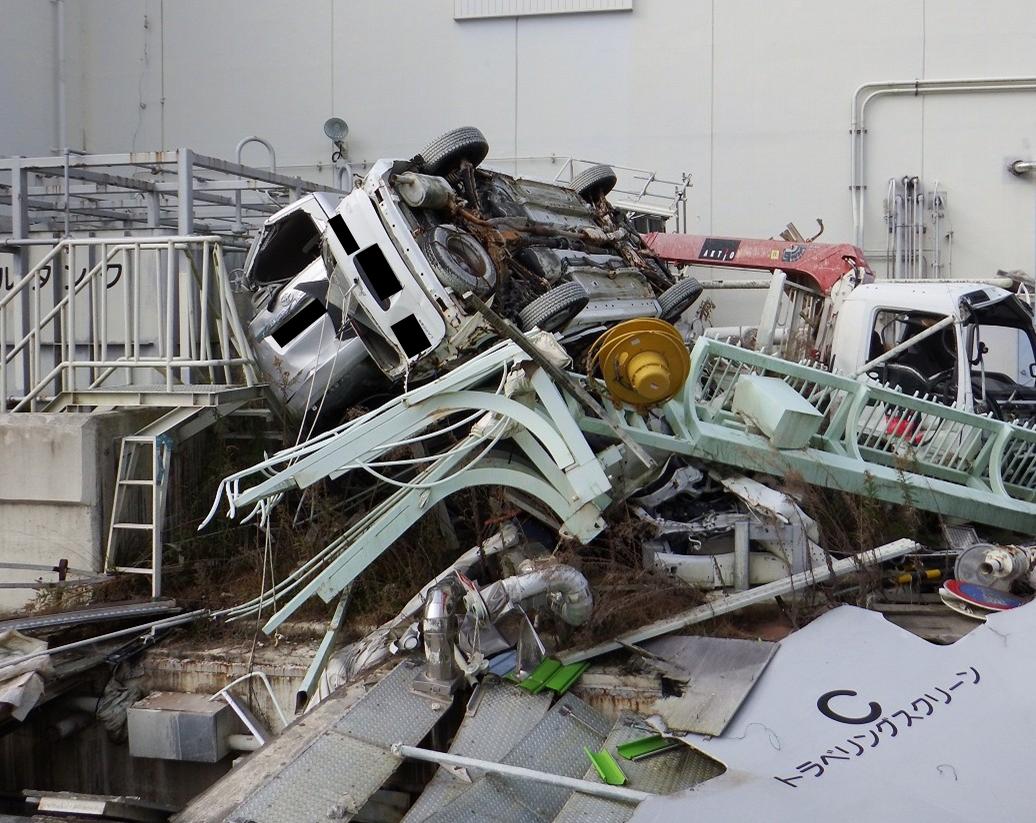
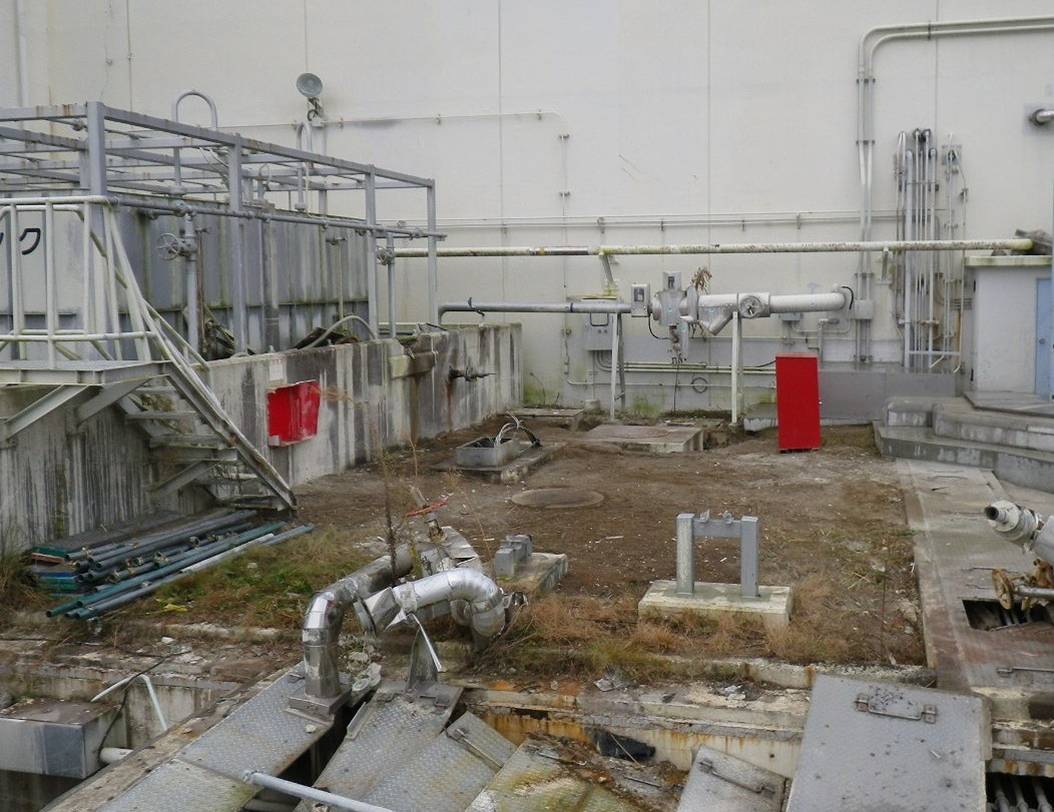
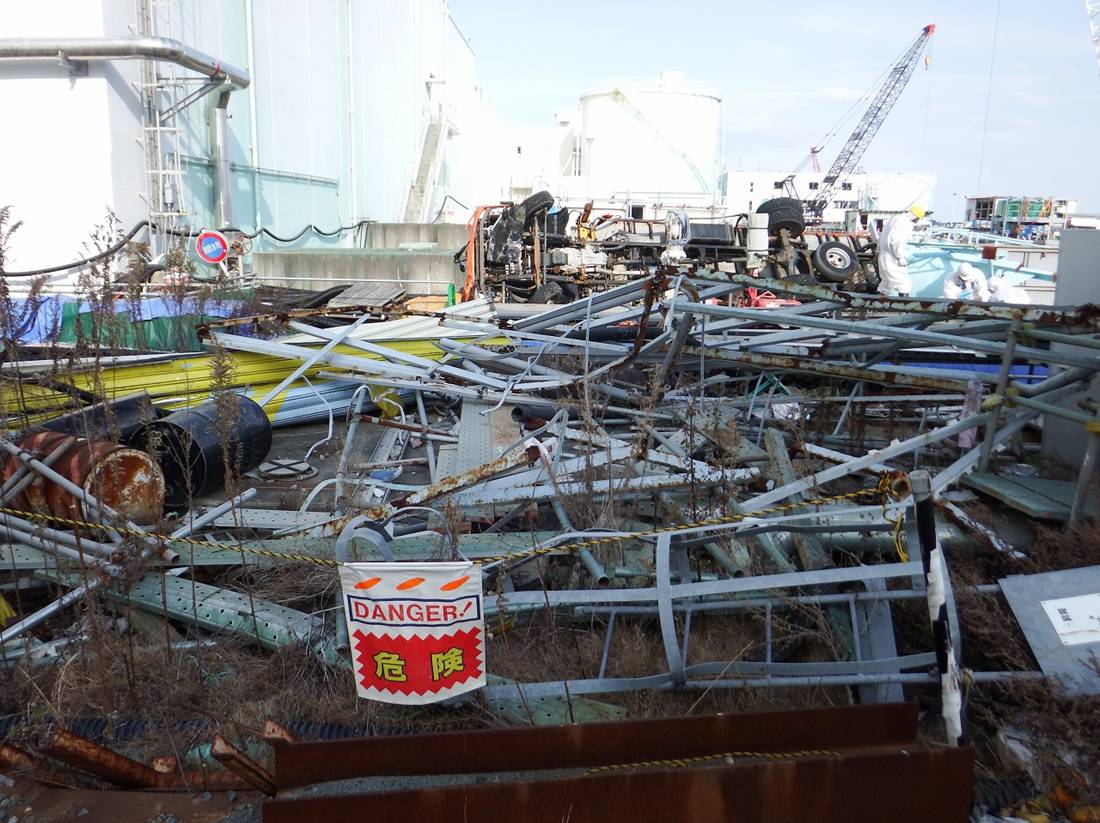
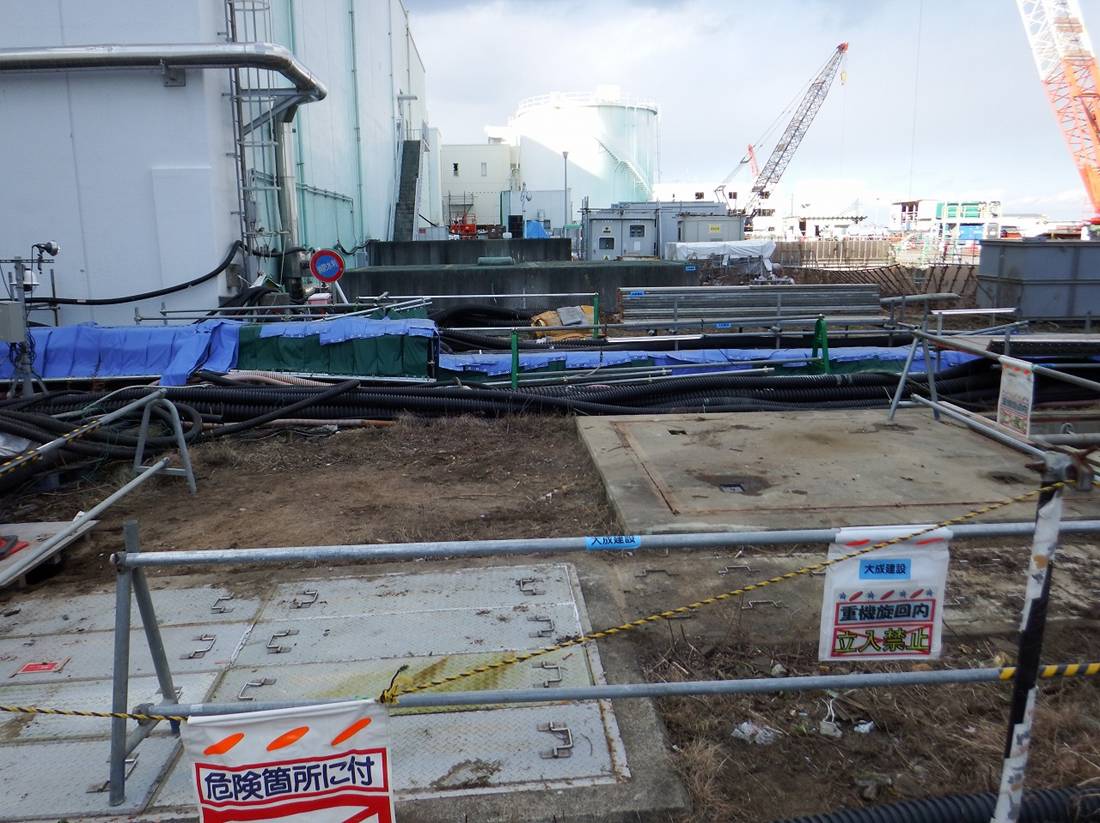
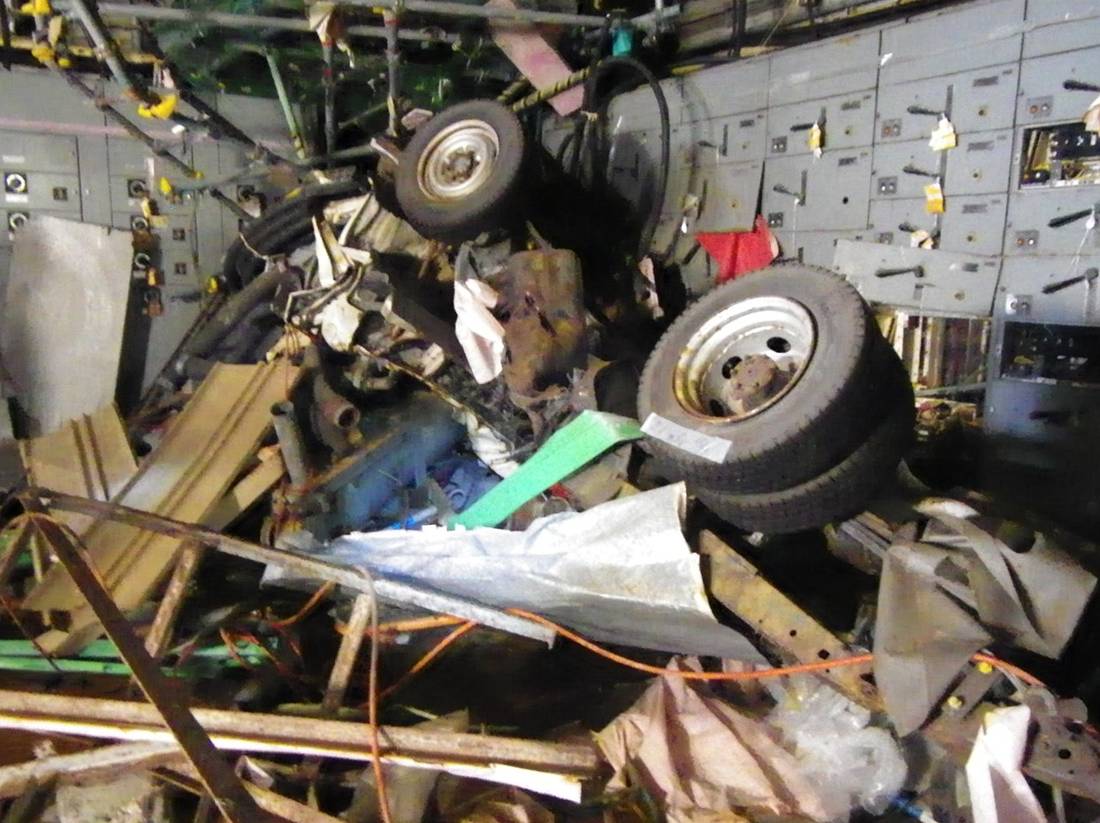
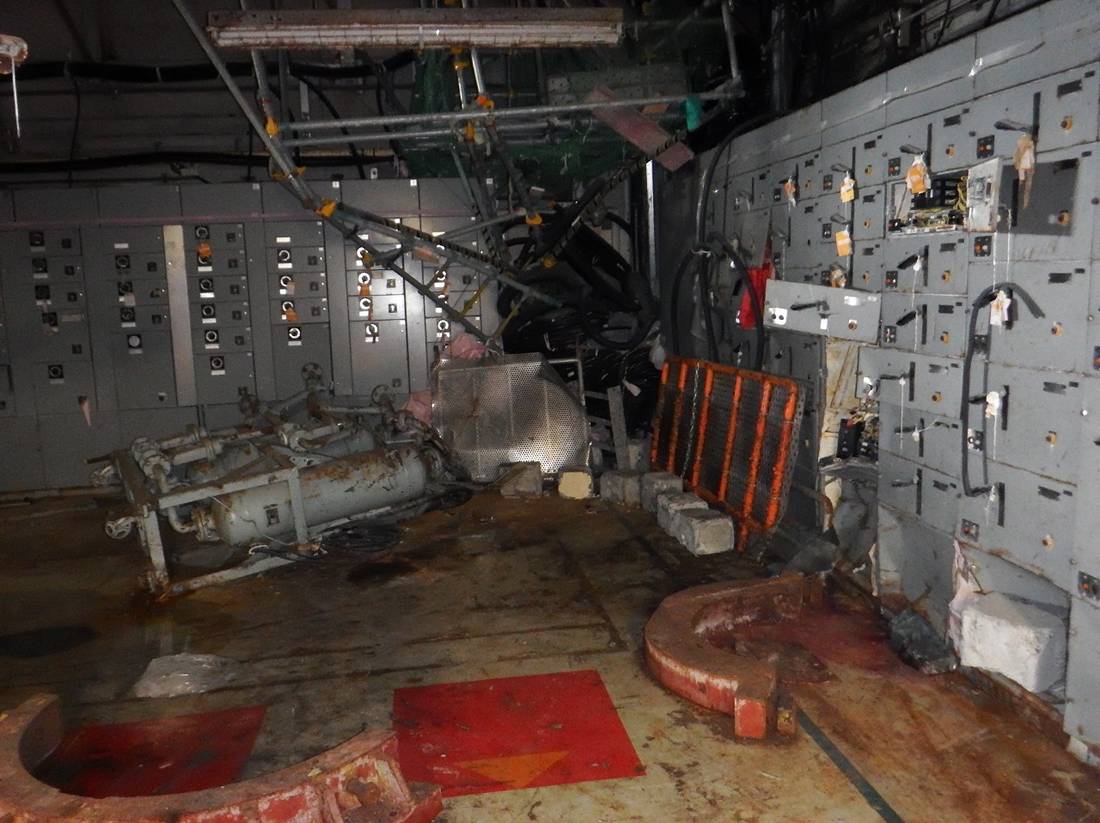
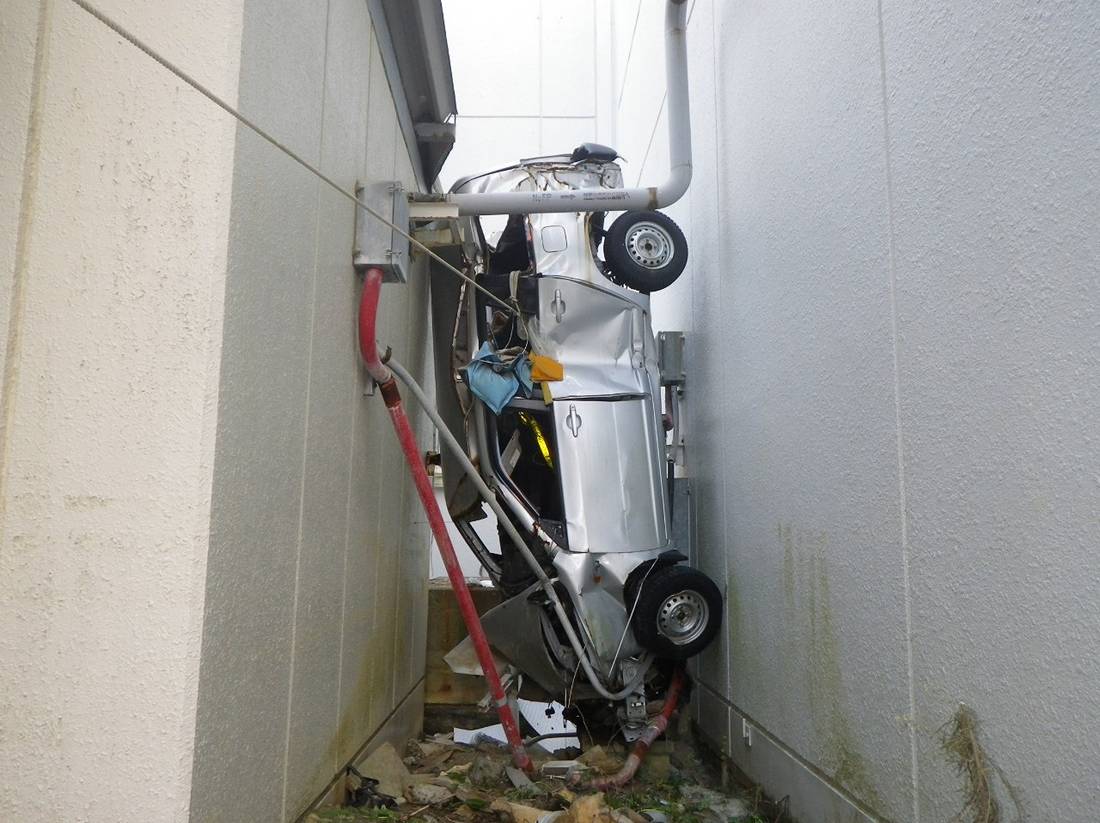
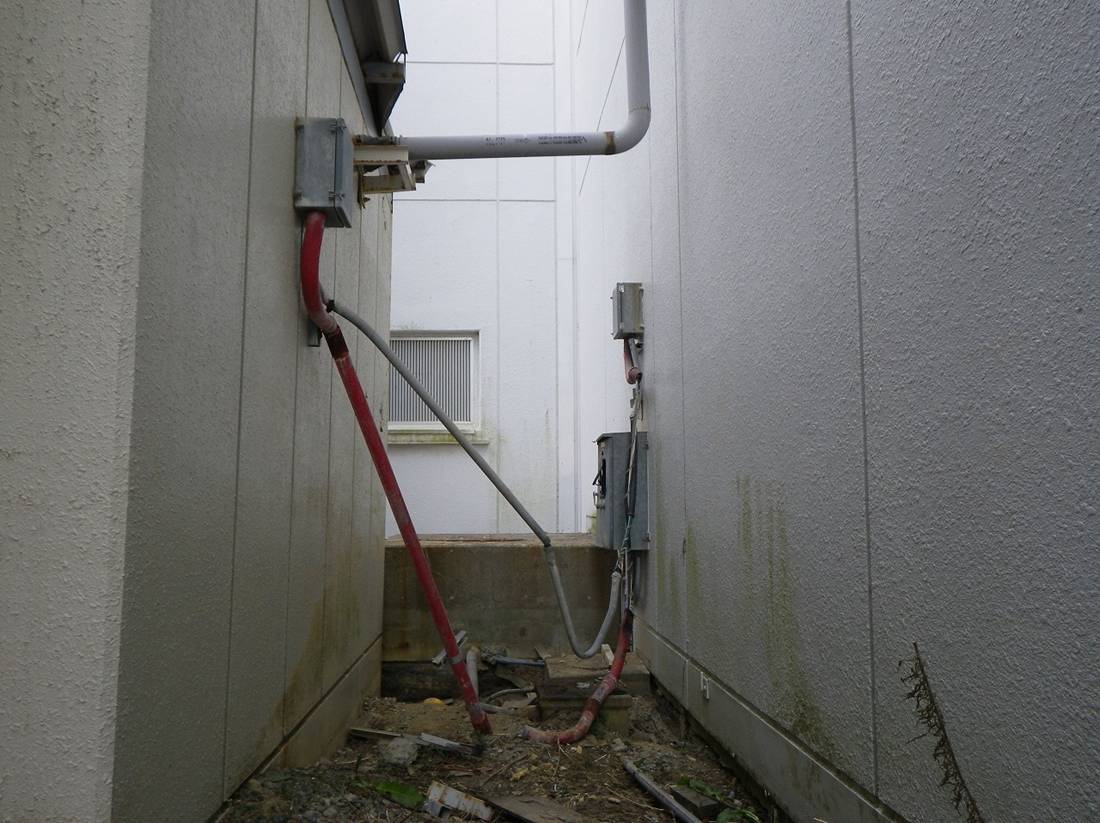
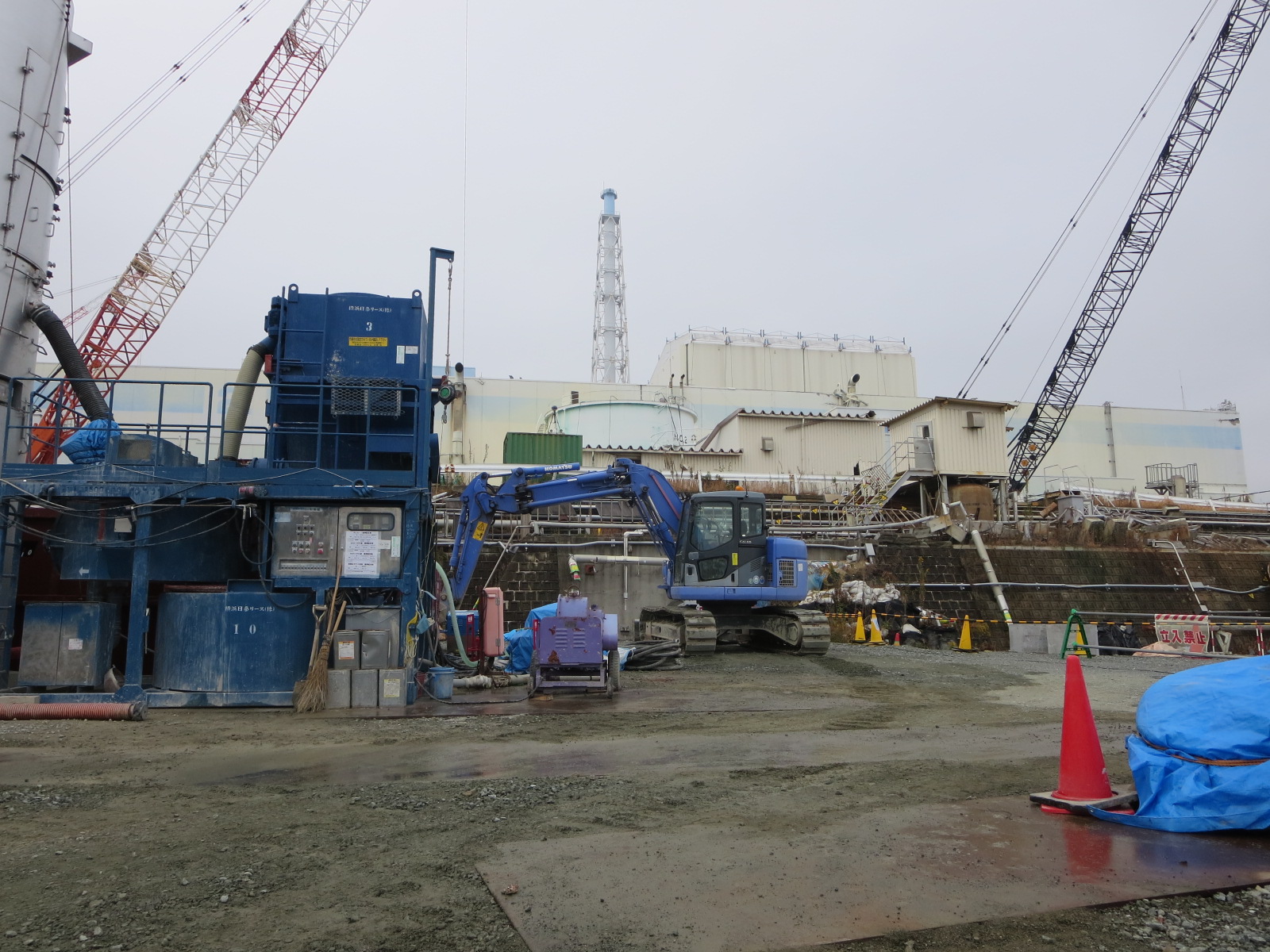
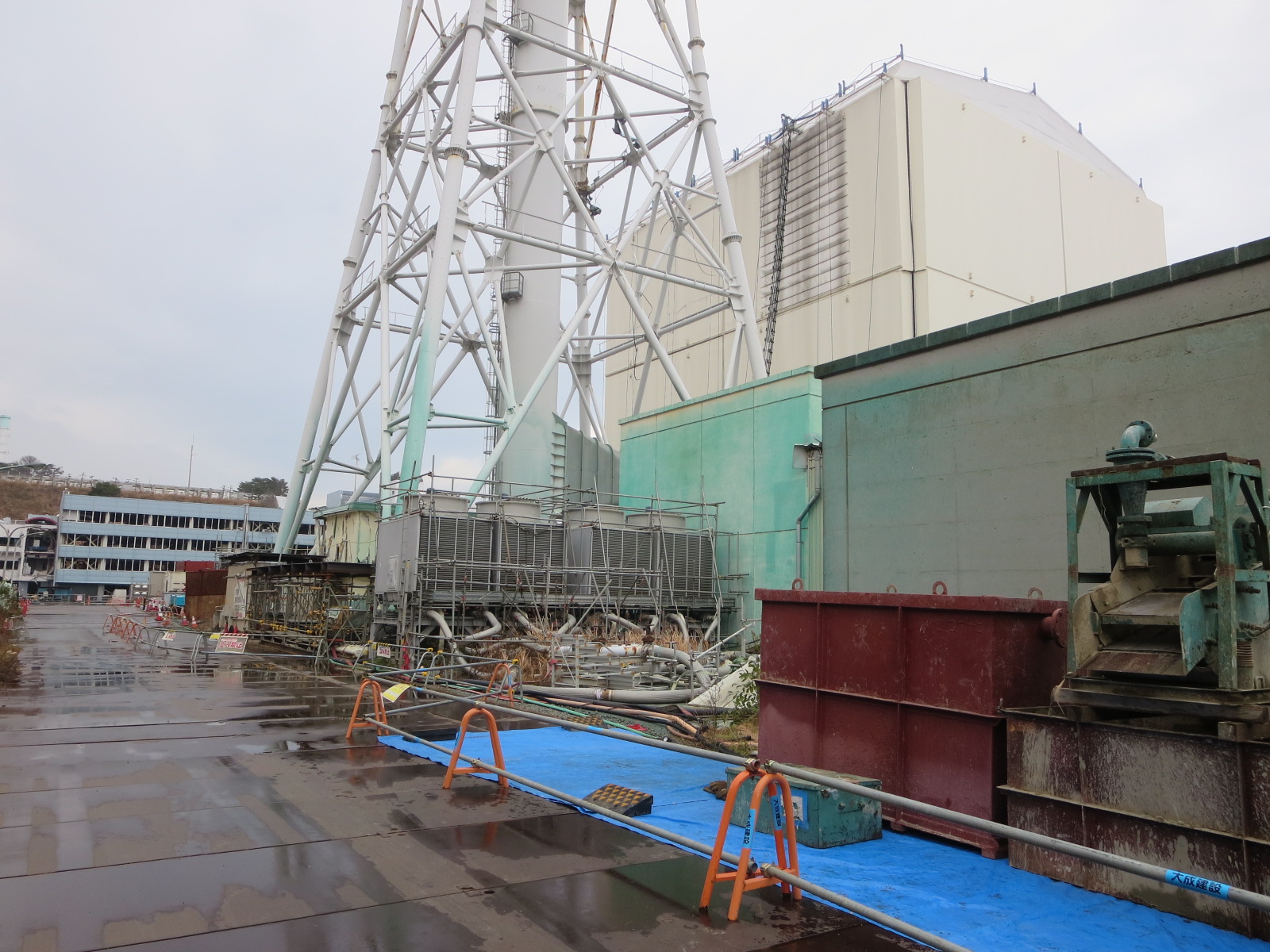
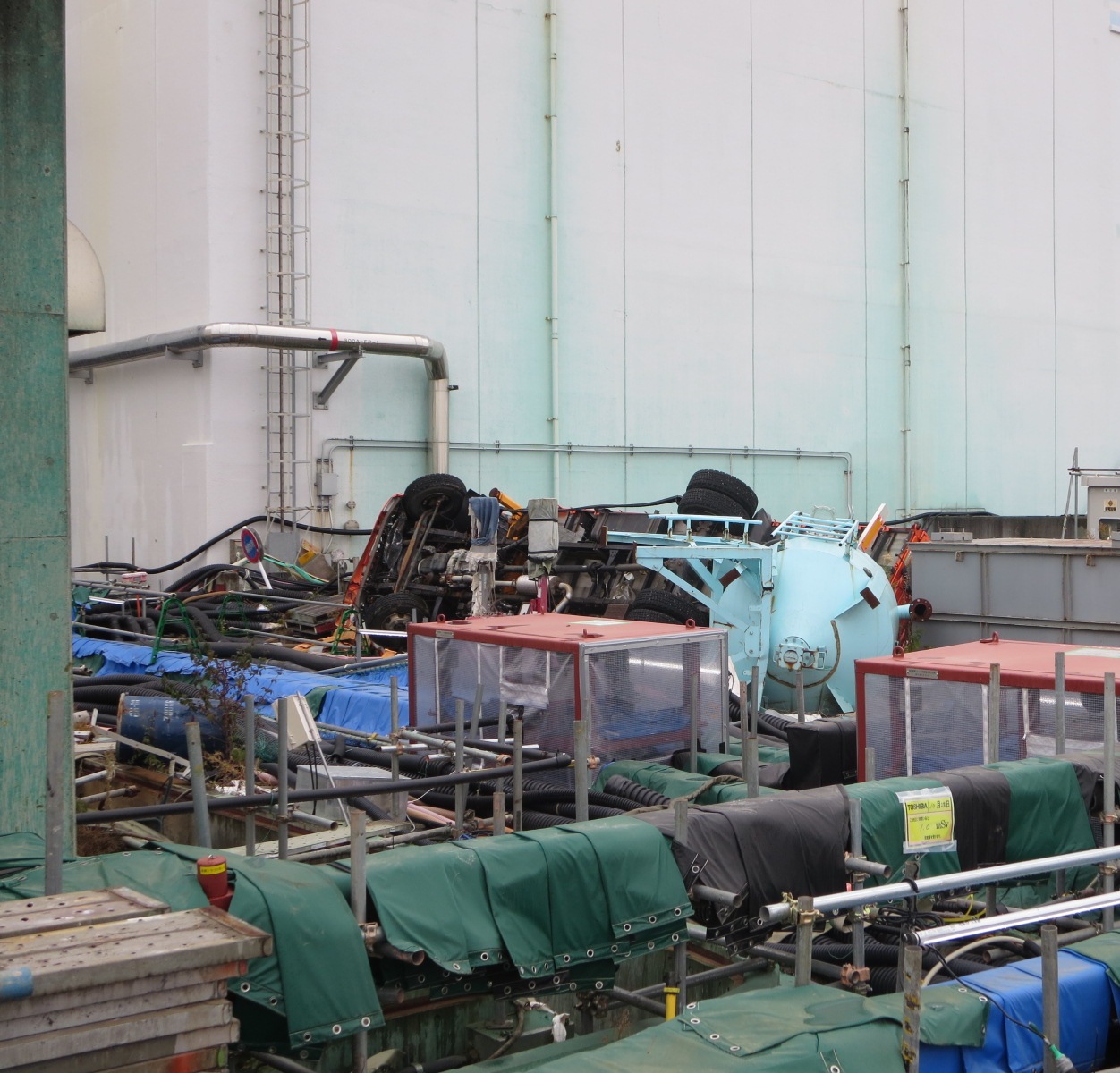
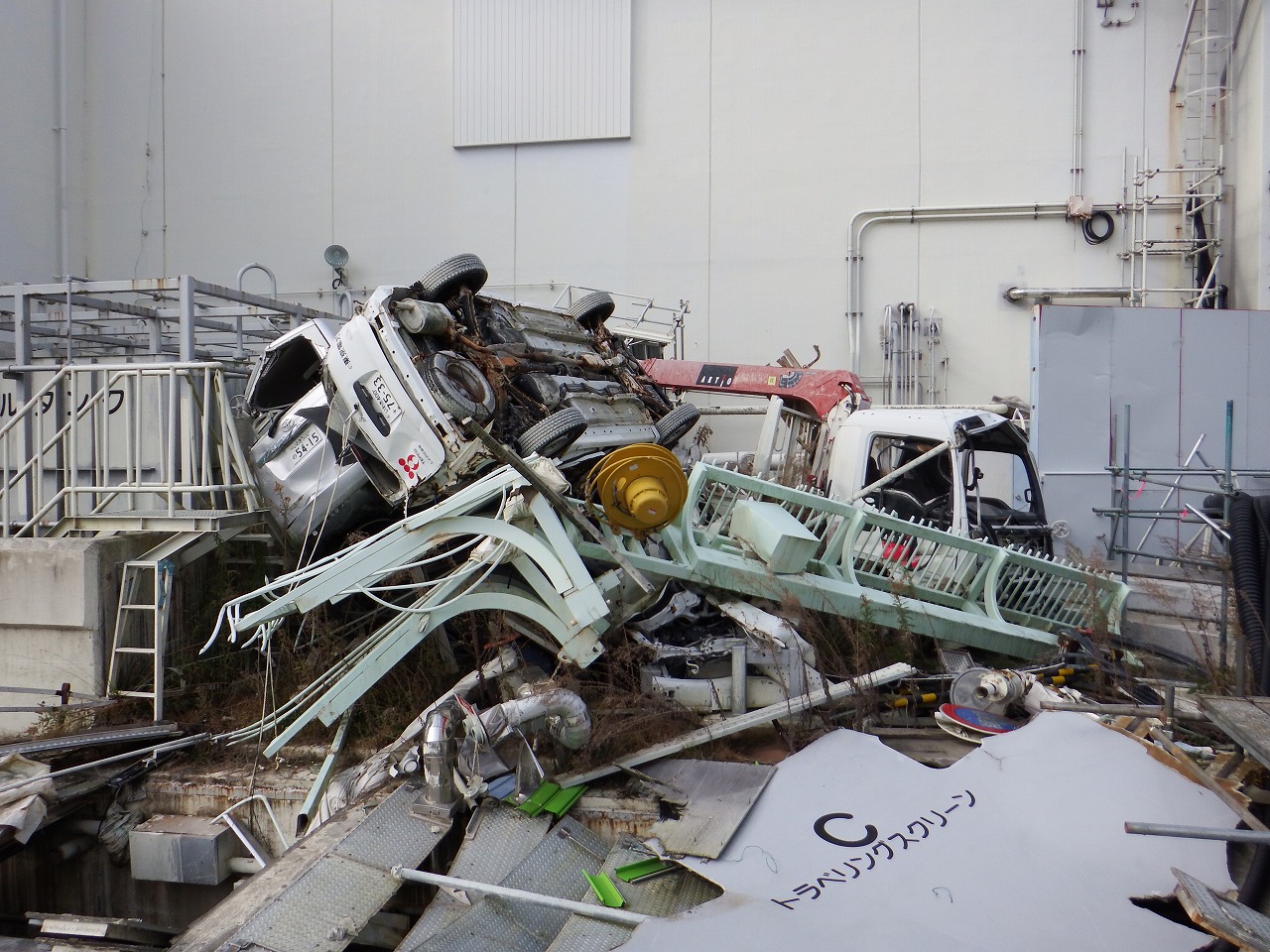
#Fukushima I NPP: Painstakingly Slow Cleanup, One Vehicle at a Time


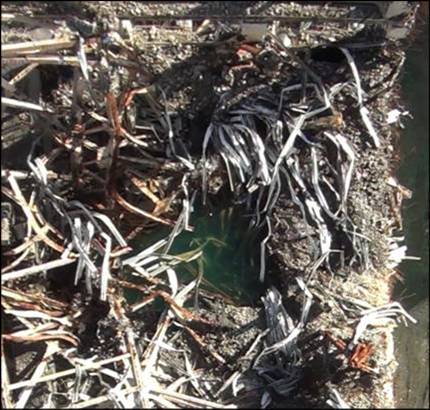
After almost three years since the start of the nuclear accident on March 11, 2011, cleanup efforts continue extremely slowly (and probably manually by human workers). Here are some before-and-after photos taken by TEPCO, but most of them are close-ups. You do not get much sense of how the plant has been de-cluttered overall (if at all).

The area photographed is between the ocean side of the turbine buildings and the embankment along the plant harbor. Radiation levels remain high here. Hoses and pipes that transport water run amid the debris.

From TEPCO's photos and videos library, 1/30/2014 (more photos at the link):


Before:


After:


Before:


After:


Before:


After:


Before:


After:


TEPCO had a chance to clear the site in March 2011, when large SDF tanks fitted with "dozer armour" (plate to push out debris) were sent to the plant. (See my March 20, 2011 post.) But the tanks were never used. Why? Because TEPCO had already had workers lay electric cables over the debris in their haste to restore the power to the plant, and they couldn't remove the debris without damaging the cables.

(Sigh.)

Wednesday, January 1, 2014

#Fukushima I NPP Reactor 3: Debris Removal from Spent Fuel Pool Has Started


There were a few news outlets in late November and early December last year that reported TEPCO would start removing the debris from the Reactor 3 Spent Fuel Pool at Fukushima I Nuclear Power Plant in mid December. Hardly anyone paid attention. (No one probably thought it was possible.) Then there was no news of it actually starting.

Well, news or not, the work started on December 17, 2013. That information was shared at the meeting on December 26, 2013 on "Roadmap to Decommissioning", which was available via live feed on the net. However, unless you are one of the dwindling number of reporters and net citizens who continue to follow the accident by attending/watching such meetings, you wouldn't know.

I didn't know because I couldn't watch the whole meeting and didn't take a look at the entire document that contained the information until now.

There is no photos or videos posted at TEPCO's site (in the Photos and Videos Library).

From the 242-page document presented at the December 26, 2013 meeting of "Roadmap to Decommissioning" (pages 152-158):

The slide says:

In order to remove fuel assemblies from the Reactor 3 Spent Fuel Pool, removal of large-size debris in the Spent Fuel Pool started (December 17).

Reinforcing bars and deck plates that won't interfere with the Fuel Handling Machine [number 8 in the 3-D model] will be removed by the first half of February 2014.

The incident that caused the video camera to drop into the pool has been investigated and the countermeasures put in place.

The order of large-size debris removal:

0. Measures to prevent [additional] debris from falling into the pool (by covering with liners)
1. Remove reinforcing bars, deck plates (1->2->3) - Current work
2. Remove masts, trusses (4, 5, 6, 7)
3. Remove the Fuel Handling Machine (8)
4. Remove the end-track on the west side of the Fuel Handling Machine (4)
5. Remove debris from the cask area (10)

Enlarged images:


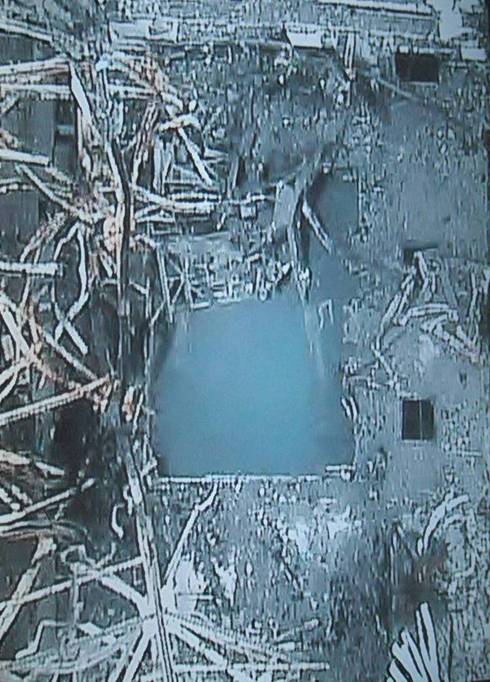
3-D debris map from a different angle, and the location of the video camera that dropped into the pool in November last year:


Kyodo News reminded readers on its 12/2/2013 article that there are 52 new (not irradiated) fuel assemblies and 514 spent fuel assemblies in the Reactor 3 spent fuel pool.

Kyodo also reports that two cranes will be used, and up to 11 monitoring cameras will be used. All the work will be done by remote-controlled vehicles and equipment. No information whether the human workers are to be posted near the work for further safety monitoring.

All of the MOX fuel that TEPCO had at the plant was in the reactor itself at the time of the accident.

Thursday, December 19, 2013

Current Air Dose Levels in Different Areas Within #Fukushima I NPP Show Radiation Hazard for Workers


The PDF document that TEPCO released on December 11, 2013 (in Japanese only, so far) also contained information on air dose rates in different areas inside the plant compound, and how TEPCO hopes to reduce the rates for workers who have to work in the cluttered, high-radiation environment.

Areas:


Air dose levels in the above areas (in microsievert/hour), and the radiation mitigation plan:


Area I is the ocean-side (east) of the reactor buildings and turbine buildings (1 - 4). Between the turbine buildings and the open channel of the plant harbor, workers are still injecting waterglass to create in-the-ground impermeable wall to stop the groundwater from leaking into the harbor. Debris in this area is highly contaminated with fallout, and the effect of direct radiation is also significant. It is a high-radiation area (over 100 microsieverts/hour), and unless the debris are removed, the air dose levels there are not going to come down.

Area II-1 is the mountain-side (west) of the reactor buildings (1 - 4), and radiation levels are high. In the far right column "Further mitigation plan", TEPCO writes, "block direct radiation that comes from reactor buildings".

Area III may not be that high in gamma radiation but it is the area where the waste water after reverse osmosis (desalination) leaked, and it has high beta radiation contamination.

Area IV-1 and Area IV-2 are the only two areas with relatively low air dose rates. The anti-seismic building is located in Area IV-2. Area V is where the removed debris is stored.

Clear the debris first, bury them somewhere so that we can work, Mr. Michio Ishikawa of Japan Nuclear Technology Institute said in April 2011. Two years and eight months later, TEPCO's radiation mitigation plan in December 2013 is to clear the debris and sweep the roads.

Wednesday, December 18, 2013

Photos of #Fukushima I NPP in Late 2013: Still Very Much Cluttered and Contaminated


While I'm at it, I might as well show the most recent photos that TEPCO released which, I think, show what lack of money and planning (and lack of decision-making itself) has done (or hasn't done, in this case) at Fukushima I Nuclear Power Plant in the past two years and nine months.

Some areas inside the plant compound today look exactly the same as in March 2011.

From TEPCO's photos and videos library, 12/11/2013 (text is my translation of the explanation in the accompanying PDF document):

4 meters above the sea level (Onahama Peil - average sea level used for the plant), ocean-side (east) of Reactors 1 - 4:

While a temporary storage area for equipment and materials has been secured,

other areas are still littered with debris; it is difficult to decontaminate:


10 meters above the sea level, around Reactor buildings:

While a temporary storage area for equipment and materials, pathway for vehicles and heavy equipment have been secured,


other areas have pipes for transferring (contaminated) water and electric cables running and are still littered with debris; it is difficult to decontaminate:


Some vehicles turned upside down by the tsunami,


have been removed.


Debris removal will continue systematically, says TEPCO [meaning "extremely slowly, piece by piece").

I still vividly remember Mr. Michio Ishikawa of Japan Nuclear Technology Institute on April 29, 2011 on an all-night TV program. To the astonished fellow guests (or guests who were feigning astonishment), Mr. Ishikawa, a strong proponent of nuclear energy, said as a matter of fact that all nuclear fuel inside the reactors had been melted down, the government was lying about it, and some of it would be already outside the Pressure Vessels.

He also said, "This is a war."

"Take the debris clean-up job for example. They are picking up the debris and putting them in containers, as if this is the peacetime normal operation. This is a war. They should dig a hole somewhere and bury the radioactive debris and clean up later. What's important is to clear the site, using the emergency measures. Build a bridgehead to the reactor.

"The line of command is not clear, whether it is the government, TEPCO, or Nuclear and Industrial Safety Agency.

"Look squarely at the reactors and find out the true situation. [Trying to do something with] the turbine buildings is nothing but a caricature [a joke, a manga, a diversion]."


No one took his word seriously, and we are where we are today as the result. Mr. Ishikawa's remark on core melt was not even in the news the next day. Hardly anyone talked about it even on Twitter. "Why should we listen to a pro-nuke shill?" was part of the attitude of net citizens in Japan who turned against nuclear energy after the Fukushima accident.

So today, radioactive debris continues to litter the site, hindering workers' efforts. We have been doing something with the turbine buildings (all the contaminated water from the reactor buildings goes to the turbine building basements, from which the water goes either to another building for storage or to the cesium absorption system (SARRY, or on rare occasions, Kurion).

Monday, November 4, 2013

#Fukushima I NPP: TEPCO to Delay Start of Fuel Assembly Removal from Reactor 4 Spent Fuel Pool by 1 to 2 Weeks


The company says it now needs time to conduct a test run.

(So......, test runs were not originally scheduled ......)

From Kyodo News (11/5/2013):

福島原発4号機、実証試験を追加 燃料取り出し延期へ

Removal of fuel to be delayed at Fukushima I Nuke Plant Reactor 4, to add a test run

東京電力が福島第1原発4号機の使用済み核燃料プールからの燃料取り出しを前に、実際の燃料輸送容器を使って作業の安全性を確認する実証試験を追加し、4号機内で近く実施することが4日、関係者への取材で分かった。実証試験には準備を含めて数日かかる見込みで、早ければ8日にも始まる予定だった燃料取り出しは1~2週間延期となる見通し。

Kyodo News found out on November 3 by talking to people involved that TEPCO will conduct a test to verify the safety of the work using the actual container to transport the fuel [assemblies] before they start removing the fuel [assemblies] from the Spent Fuel Pool of Reactor 4 at Fukushima I Nuclear Power Plant. The test will take several days including preparation, and the removal of fuel which was slated to start as early as November 8 will be delayed by one to two weeks.

燃料取り出しに向け、クレーンを備えた4号機の建屋カバーは既に完成しているが、実証試験は行われていなかった。

The building cover for Reactor 4 with the crane for removing the fuel has been completed, but no test run has been done.


I can't really blame TEPCO other than to say they should grow some backbone to say no to the meddling by the national government and LDP.

LDP politicians including Prime Minister Shinzo Abe and Minister of Economy Toshimitsu Motegi have made a lot of noise demanding TEPCO do everything "ahead of schedule" and "accelerate".

Removal of fuel assemblies, first unused (new) fuel assemblies then used fuel assemblies, was not scheduled to start until 2014. The LDP government, installed after the Lower House election in December 2012, has been eager to give the impression to the gullible portion of the populace and to the world outside Japan that it is totally in charge, that things are going so well under their leadership. One of the ways they used to give that impression was to unilaterally declare, out of the blue, that the Fukushima I Nuclear Power Plant accident would be now dealt with at an accelerated pace, with everything being done ahead of schedule, including removing the corium from the broken reactors.

Despite huge misgivings of the workers at the plant and people who have followed the accident, TEPCO headquarters dutifully obliged. Plant safety and worker safety be damned.

But it is not just test runs that were missing. Independent journalist Ryuichi Kino tweeted a horror two days ago:

がれき撤去は夕方から翌日午前中まで深夜完徹の作業。たいへんさは想像に余りある。

Removal of debris will be done through the night, from the evening till the morning of the next day. What an enormous task it will be.


That means TEPCO hasn't removed debris that fell inside the Reactor 4 Spent Fuel Pool, even though they have created a detailed SFP debris map. Compared to Reactor 3's SFP, Reactor 4's SFP looks relatively clean, and not a whole lot of huge, awkward pieces of debris are in the pool. But if what Kino says is true, TEPCO will have the workers clear the debris from the pool all night, enough to carry out the removal of fuel assemblies next morning. And repeat this day in and day out.

In other words, TEPCO continues the accident cleanup haphazardly, as it has been doing since the day 1 of the accident.

But TEPCO cannot say no to the authorities stronger than them. They could have said to the government, "No we are not going to accelerate the removal of fuel assemblies. We will first remove the debris completely from the pool, then we will carry out dry runs to make sure things will go smoothly. Only then we will start removing the fuel assemblies."

But back in March 2011, TEPCO couldn't even take much-needed car batteries from the stores, and they couldn't bring the batteries made for the plant because they didn't have a government permit to travel on the highway (see my post from October 2012). So it is too much to ask, I know.

Sunday, February 10, 2013

#Fukushima I Nuke Plant Worker's Perspective on the Debris Dropping Accident at Reactor 3 SFP: Normal Project Management System Doesn't Work on an Abnormal Situation


"Happy11311" has been tweeting from Fukushima I Nuclear Power Plant since the March 11, 2011 triple disaster of earthquake, tsunami and nuclear accident. He tweeted his take on the fuel handling machine mast that dropped into the Reactor 3 Spent Fuel Pool with a big splash a few days ago.

He says the work was carried out even when it shouldn't have been, because the contractor(s) was under pressure to catch up.

He also says that the work is done by remote control, but it needs workers in tungsten vests right on the platforms surrounding the Reactor 3 building, as they have to visually monitor the work to make sure everything is going safely.

From his tweets on February 10, 2013 (my translation):

以前にもつぶやいたけど3号機オペフロ瓦礫撤去作業はとても難しいんだ。3号機オペフロは高線量のため4号機みたいに作業員が上がって撤去するわけにはいかない状況。撤去作業は被曝しない離れたある場所で遠隔操作でやってるけどカメラアングルだけじゃまかないきれない部分がある。

As I tweeted before, removing the debris on the Reactor 3 operating floor is extremely difficult. Since the Reactor 3 operating floor has high radiation levels, unlike on the Reactor 4 building, workers cannot go up there to remove the debris. The actual debris removal [for Reactor 3] is carried out from a location far enough to avoid radiation exposure by remote control, but there are cases where the camera images from different angles are not enough.

それを補うため、どうしても目視確認が必要なんだ。だから重いタングステンベストを着た作業員が交代で構台に上がり遠隔操作のオペレーターと連絡を取り合いながら作業する。構台に上がった作業員は相当な被曝するんだ。ちょっとあの日の事をオイラなりに振り返ってみたいと思う。

In order to compliment the remote work, visual inspection is necessary. So, workers wearing heavy tungsten vests take turns to go up on the platform, and communicate with the remote control operators to carry out the work. Workers who go up on the platform are exposed to significant amount of radiation. So now, I want to look back on that incident the other day.

あの日は雪もあり、作業としては非常にやりにくくて困難だったはずなんだ。現にオイラ達はあの日の作業はほとんど中止だった。あの状況だとカメラ映像も曇ったり、構台に上がった作業員のマスクや望遠鏡も曇ったり水滴ついたりして、見えづらかったんじゃないのかなぁ…?

It was snowing, and the work must have been very awkward and hard to do. In fact, my group canceled almost all the work that day. In that condition, I'm thinking it must have been hard to see. Camera images may have been blurry, and the [face]masks and telescopes of the workers on the platforms may have fogged or covered with water drops.

そこで疑問に浮かんだのは、なぜあの悪天候で作業したんだろ?って事なんだ。この前の鉄骨落下して以来、3号機オペフロ作業はこれでもかってくらい慎重に作業してたのに…。オイラの勝手な憶測だけど色々考えてみた。あの日、他の建築グループもクレーン作業は確かにやってた。

So what I'm wondering is why they were doing the work in bad weather like that. Particularly when they have been doing the work extremely carefully on the Reactor 3 operating floor ever since they dropped a steel beam. So it's just my hypothesis. But that day, other construction groups were also doing the work using cranes.

オイラあの日、現場に着いた時「えっ!?作業やってるよ!」ってちょっとビックリしたのを覚えてる。でもあとでゆっくり考えたら、あの悪状況の中でやってた作業は全て工程の遅れてる作業や急いでる作業ばかりだった。

I remember I was surprised to hear the work was being carried out that day, when I arrived at the plant. In retrospect, the work that was being done in the bad weather was either behind schedule or urgent.

アルプスのカバー取付作業しかり、正門前のJV機能移転施設工事しかり、そして3号機オペフロ作業。全て急いでる作業。それをちょっと考えると技術以外の別な問題点が少し見えてくる。大きく問題点は二つ挙げられる。一つは作業員雇用期間や被曝の問題。こちらは別の機会につぶやくとして…

Installing the cover over the ALPS [multi-nuclide removal system] was one. Construction of facilities in front of the plant's main gate to move the functions of J-Village [staging area for the plant work] was another. And debris removal on the operating floor of Reactor 3. They were all urgent jobs. When I think about them, I see that there are problems other than technical problems. There are two problems. One is the hiring period of the plant workers and radiation exposure.

もう一つはなんとしてでも工程の遅れを取り戻そうという体質。やって見なきゃわからない事ばかりの作業なのに、工程遵守させようとする点。オイラはよく急がば回れコツコツと確実に安全に!って言うけど、作業者側がいくら思っても、東電や元請け企業が実践しなければ出来ないんだ。

The other is this determination to catch up on the work that is behind schedule. Or [I should say] to make [the workers or subcontractors] stick to the schedule when each work is unique in a sense that you don't know what happens until you actually do the work. I often say slow and steady wins the race, do the work diligently and safely. But no matter how the workers think, it won't happen unless TEPCO and primary contractors put that into practice.

東電は国に工程を提出してる手前がある、企業側も東電に対し工程を出してる。それが遅れるとマスコミや国民に叩かれるというプレッシャーがかかる。そのプレッシャーが直接作業員や少々の危険ポテンシャルがあっても1日のノルマ達成しなきゃならないという状況になって跳ね返ってくるんだ。

TEPCO has the schedule that it has submitted to the national government. Contractors have submitted their schedules to TEPCO. If the work is behind these schedules, the media and people in Japan will attack them, and that's the pressure. The pressure will then be on the workers, creating the situation where a day's quota has to be met even if there is a risk potential.

オイラは今回のプール内落下は単に技術だけの問題じゃないと思ってる。作業が安全確実に出来るかどうかの天候を含め、状況判断を誤った結果かもしれない。オイラ状況判断するのは作業員ではなく、東電や元請けがあらゆる状況を想定し責任を持ってするべきだと思ってる。

As to the debris falling into the [spent fuel] pool, I don't think it was just a matter of technique. I suspect it was the result of the wrong assessment of the situation, including the weather, to determine whether the work could be done safely and securely. In my opinion, workers shouldn't be the ones to decide, but it should be TEPCO and the primary contractors to responsibly decide, taking all possible situations into consideration.

作業員が「この状況じゃ難しいよ、出来ないよ」と感じたり心に思っても上の人や企業や東電担当者に対し、なかなか言葉に出す事は出来ないんだ。そういう時の作業員は不安だし、いつもの技量を発揮出来ないし、トラブルも多い。オイラも昔は、よくそんなトラブルあって後悔が沢山ある。

Even when workers think "It's difficult in this condition, we can't do it", it is difficult to articulate that to their supervisors, contractors, or TEPCO managers in charge. In such cases, workers are afraid, cannot perform to the best of their abilities and skills, and that often results in troubles. I have done that in the past, and I have many regrets.

作業は一か八かじゃなく作業員が安全確実にフルパフォーマンスを発揮できる状況を東電や元請け企業には判断して欲しい。東電は元請け企業に、元請け企業は下請け企業に、下請け企業は作業員に責任を転換しちゃいけないと思うんだ。

The work should not be about taking the chances (gamble). I want TEPCO and primary contractors to make such decisions that would allow workers to safely and securely carry out the work to the best of their abilities and skills. I don't think TEPCO should shift the responsibility to the subcontractors, or the subcontractors shift the responsibility to the workers.

確かに工程遵守、コスト削減、品質管理、安全管理どれも大切。でも、これから何十年も続く作業で、やって見なきゃわからない特殊作業ばかりなのに一般的な普通の管理システムを1Fに当てはめちゃダメなんだ。目先の工程なんか、小さなトラブルでも吹っ飛んでしまうんだから。

For sure, adherence to the schedule, cost-cutting, quality control, safety management, they are all important. But this work will last for decades, and the jobs are all special which you don't know how they turn out until you actually do them. A general, normal project management system shouldn't be applied to Fuku-I (1F). Even a small trouble will blow up the near-term schedule.


Minister of Economy, Trade and Industry Motegi in the Abe administration will turn deaf ears to Happy11311's plea. He unilaterally declared that decommissioning of Fukushima I reactors should be done ahead of schedule. For reasons only known to himself. Probably to prove to the world that three melted-down reactors on the wrecked nuclear power plant mean nothing to the Japanese, and taking 3, 4 decades to decommission even the regular nuclear reactors is for wimps.

Motegi is most welcome to join in at Fukushima.

On second thoughts, workers like Happy11311 have no need for a McKinsey management consultant.

To go mind-numbingly normally through an unprecedented disaster is what Japan has proved itself to be very good at. Like the national government telling Toshiba and TEPCO they would need a permit to transport batteries on the highway (and they followed orders), or telling the US that a crane from Australia was not licensed to travel on a Japanese road.

Remember also that they completely forgot to turn on the teleconferencing system at the Prime Minister's Official Residence, set up specifically for a nuclear disaster like this. And what were they doing instead? Telephone and fax, and person to person communication which mostly did not happen.

Friday, February 8, 2013

#Fukushima I Nuke Plant: TEPCO DID Drop Debris into Reactor 3 Spent Fuel Pool


(UPDATE 2/10/2013) See my latest post on this topic. The crane is remote-controlled, but there are human workers right on on the platform who have to be there to observe the work to make sure the work is done properly and safely.

==========================

It's snowing heavily at the plant. The equipment to remove the debris from what used to be the operating floor of Reactor 3 is remote-controlled.

From TEPCO's Photos and Videos page, 2/8/2013:


According to TEPCO, the debris is "assumed to be the fuel handling machine mast", and it is a "possible" drop. Since no one can be there to witness the event firsthand, it is always a possibility, I suppose.

The radiation levels in and around the Reactor 3 building remain very high, although I don't remember any reporting of how high they actually are for a very long time. I think it was in 2011 when the human workers dared enter the reactor building. I remember seeing them making very quick swipes of the floor. I wonder if they did the analysis.

Thursday, February 7, 2013

#Fukushima I Nuke Plant: Has TEPCO Just Dropped 1.5-Tonne Steel Debris in Reactor 3 Spent Fuel Pool?


NHK News says it may have.

From NHK News (2/8/2013; part):

東京電力福島第一原子力発電所3号機の使用済み核燃料の貯蔵プールで、ほぼ水の中につかった状態で見えていた、重さ1.5トンの鋼鉄製の棒がなくなっていることが分かり、東京電力は、プールに落下したとみて、今後、水中カメラを入れて燃料に異常がないか確認するとしています。

A 1.5-tonne steel debris, which had been submerged in the water but visible in the Reactor 3 Spent Fuel Pool at Fukushima I Nuclear Power Plant, went missing. TEPCO thinks it may have dropped into the Spent Fuel Pool, and will use the underwater camera to make sure the spent fuel rods are unaffected.

福島第一原発3号機では、使用済み核燃料の将来的な取り出しに向けて、貯蔵プール周辺のがれきの撤去作業を続けています。

The work to remove the debris near the Reactor 3 Spent Fuel Pool has been on-going, in order to remove the spent fuel in the future.

東京電力によりますと、6日の作業のあと、遠隔操作のカメラでプールの状況を確認したところ、作業前まで水にほぼつかった状態でプールの中央付近にあった、重さ1.5トンの鋼鉄製の棒が完全に見えなくなっていることが分かりました。

According to TEPCO, when they monitored the condition of the pool using the remote-controlled camera after the work on February 6 they noticed the 1.5-tonne steel debris which had been mostly submerged in the center of the pool but visible was completely invisible.

このため東京電力は、プールの中に落下した可能性があるとみて、準備が整いしだい水中カメラを入れて、水没した棒の状態や、使用済み核燃料に異常がないか確認することになりました。

TEPCO concluded that the debris may have fallen into the pool. The company will use the underwater camera as soon as it is ready to check on the debris and the spent fuel.


From TEPCO's handout for the press in English, 2/8/2013:

Possibility of Debris (Assumed to be the Fuel Handling Machine Mast) Sinking in the
Spent Fuel Pool at Debris Removal from the Upper Part of the Unit 3 Reactor
Building at Fukushima Daiichi Nuclear Power Station

At the steel truss debris removal from the upper part of the spent fuel pool performed on February 6, 2013, the
debris assumed to be the fuel handling machine mast* which was present before the steel truss removal was
found to be missing in the image taken after the removal work. On February 7, we judged that there is a possibility
that the missing debris has sunk into the pool.

*Fuel handling machine mast: Extendable pole used to lift the grip up and down when moving the fuel assemblies (Length: Approx. 5-23m, Weight: Approx. 1.5 tons)

Once the preparation is complete, we will investigate the condition of the sunken debris when we perform
investigation of the inside of the spent fuel pool utilizing an underwater camera.


Monday, September 24, 2012

Video of Steel Frame Sliding into Reactor 3 Spent Fuel Pool at #Fukushima I Nuke Plant


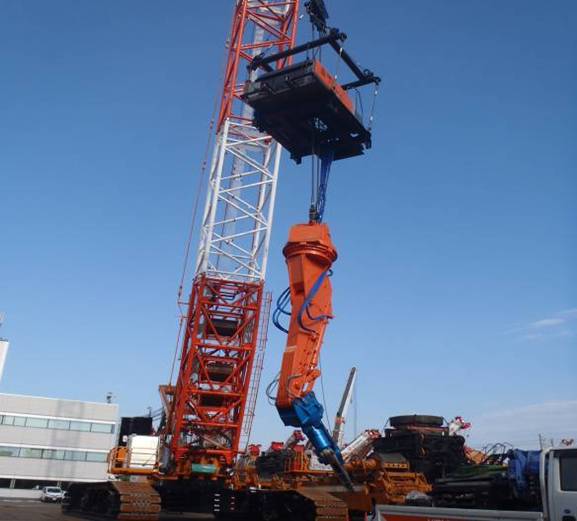
In the video below, released by TEPCO on September 24, 2012, the accident happens toward the end, at about 3:30. The crane grabber couldn't get a good grip on a relatively small piece of metal right on the edge of the pool, and the metal piece slid into the pool with a small splash. Oops.

There are two video cameras fitted on the boom of the crane.


Looking at the other short video below and the photographs that TEPCO also released on September 24, I can't fault those Kajima workers who are operating these machines and tools by remote control. It looks extremely awkward and difficult to do.

The remote-controlled hydraulic shears cut the metal held by the remote-controlled grabber, both dangling from the crane by wire.


Hydraulic shears (cutter):


Hydraulic grabber:


Before-and-after photos of Reactor 3 SFP:

Before (11/10/2011):


After (9/21/2012):


The worker who's been tweeting from Fuku-I since March last year said in his tweet that the workers wearing tungsten vests were braving the extremely high radiation and high heat of the summer to clear the debris enough to do the final assemble of the platforms. And he says, "...but no one reported it."

Instead, TEPCO gets comments like "They don't have a shred of credibility", for which I feel sorry for the workers, TEPCO and subcontractors alike.

TEPCO also released the videos of inside the Spent Fuel Pool. See my next post.

Monday, April 11, 2011

#Fukushima I Nuke Plant: Photos of Debris Removal Operation

From Cryptome.org:


More at the link.