Showing posts with label food contamination. Show all posts

Friday, October 25, 2013

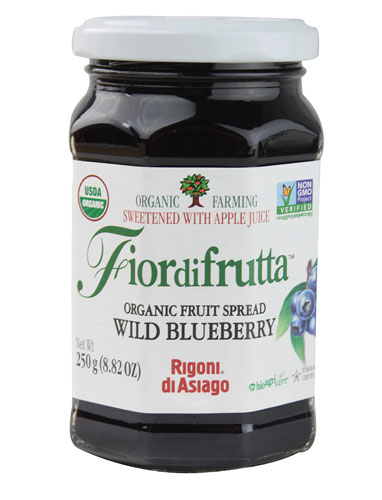
Long Shadow of Chernobyl (4): Organic Blueberry Spread Imported from Italy Found with 164 Bq/Kg of Cesium-137


Japanese weekly magazine Shukan Asahi did its own checking on imported blueberry spread being sold in Tokyo and alerted the health authorities, who were reluctant to do anything at first.

Main points from from Shukan Asahi (10/23/2013) article:
  • "Fior di frutta organic fruits spread" blueberry imported from Italy

  • Place of origin: Bulgaria

  • 164Bq/kg of cesium-137 by test commissioned by Shukan Asahi

  • 140Bq/kg of cesium-137 by test by the municipal (Tokyo) health authorities

  • Shibuya-ku ordered the importer MIE PROJECT on October 18 to recall 5,184 bottles of blueberry spread with the best before date of October 17, 2015.

  • Ministry of Health and Welfare initially refused to do anything based on "private" (as opposed to "official" - i.e. by the government) test results.

  • The public health centers involved didn't want to move either on just "an article that appeared in a magazine".

  • Less than 10 percent of all imported food is tested; it is possible that people are eating contaminated food without knowing.


For articles on "Long Shadow of Chernobyl", go here.

Saturday, June 29, 2013

At WTO, Japan Demands China, Hong Kong and Taiwan to Drop Their Food Import Bans after Fukushima Nuclear Accident Because "Any Contaminated Products Can Not Be Traded" in Japan


China, Hong Kong, and Taiwan continue to ban food import from Japan after the Fukushima I Nuclear Power Plant accident, and Japan doesn't like it. Prime Minister Shinzo Abe has pledged in his "growth strategy" that he wants to make Japanese agriculture "strong". One of the clear gauges of this "strength" is apparently how much agricultural products Japan can export, particularly from the nuclear-disaster-affected Tohoku and Kanto. So his government used a committee at the World Trade Organization to demand these three countries drop the bans.

Country-specific restrictions should be based on science, Japan and WTO say.

First, from Jiji Tsushin (6/29/2013):

農産品の輸入規制撤回を=日本、WTOで中国などに要請

 【ジュネーブ時事】日本政府は28日まで開かれた世界貿易機関(WTO)の衛生検疫委員会で、東京電力福島第1原発事故を受け、日本産農産物などに対する輸入規制を続けている中国、香港、台湾に対し、規制措置の是正を求めた。これまでは特定国の名指しを避けてきたが、規制が長期化しているため、強い懸念を示した形だ。

In the meeting of the WTO’s Sanitary and Phytosanitary Measures (SPS) Committee that ended on June 28, the Japanese government demanded China, Hong Kong, and Taiwan to correct (revise) the import restrictions on Japanese agricultural products. The countries continue to place the import restrictions following the Fukushima I Nuclear Power Plant accident. The Japanese government had refrained from naming the countries, but used the opportunity to express strong concern as the import restrictions from these countries have been going on too long.

 食品の安全性に関しては、国際的な衛生検疫基準に加え、各国の独自判断も認められている。その場合は科学的根拠に基づく健康などへのリスク評価が必要となる。

Regarding the food safety, in addition to the international sanitary and phytosanitary measures, countries are allowed to use their own judgment. In the latter case, the health risk evaluation based on scientific evidence would be necessary.


The WTO's meeting was in part to celebrate the 50th anniversary of Codex Alimentarius, a controversial collection of internationally recognized standards, codes of practice, guidelines and other recommendations relating to foods, food production and food safety.

It is amusing for the Japanese to insist on scientific evidence at this point, but that's what they did at WTO.

From WTO's press release (6/28/2013; emphasis is mine):

WTO members celebrated the 50th anniversary of 186-member Codex Alimentarius, which sets international standards for food safety, by calling, on 27–28 June 2013, for continued support for the body, and for trade measures to be based on science.

The calls came in a two-day meeting of the WTO’s Sanitary and Phytosanitary Measures (SPS) Committee, which consists of all 159 WTO members and deals with food safety and animal and plant health — measures having an increasing impact on trade.

They echoed a paper circulated by Brazil (document G/SPS/GEN/1253), which described food safety as an important contributor to food security, and said international standards and guidelines should be based on science, that confidence in Codex and other international standards-setting bodies should be strengthened, and that any measures that apply higher standards should also be justified by science.

“The increase in the number of SPS measures that are not based on international standards, guidelines and recommendations, or that lack scientific justification, is a point of concern that has often been raised by many members in the SPS Committee and other contexts,” Brazil observed.


A political body like WTO insisting on science. Fantastic.

So, if people in the world don't want to eat food that contains more than normal amount of radioactive cesium, or don't want to eat genetically-modified food, both of which are supposedly proven "safe", what does WTO do? Force-feed them?

From the same press release, Japan's specific concern:

Import restrictions in response to Japan’s nuclear power plant accident.

Japan updated members on the latest situation and said radiation levels are generally within normal safety levels, and that any contaminated products could not be traded. Many trading partners have lifted their import restrictions, Japan said. However, restrictions remain in Hong Kong China and Chinese Taipei although Japan is starting to work with them on analysing the situation. China remains a major trading partner that still has import bans and Japan has not been able to discuss this bilaterally, Japan said. China said that only products from seriously polluted areas are affected.


Just by looking at the daily updates by the Ministry of Health and Welfare, and periodic updates from municipal governments, not to mention citizens' groups, it is easy to note that food items being sold on the market in Japan continue to be found with radioactive cesium. The levels may be below 100 Bq/kg in most cases, but they are actively "traded", contrary to the Japanese government's claim.

I do not know what "normal safety levels" for the radiation levels in Japan at this point, but judging by the way the national government is trying to return the evacuees in the former "no-entry" evacuation zones, as long as the annual external radiation exposure is less than 20 millisieverts, it is safe. (More in later post.)

After the March 11, 2011 triple disaster, people in Taiwan collected and donated a large amount of money (second-largest, in fact, almost the same as the US, at 2.9 billion yen) to help people in the disaster affected Japan. China, in addition to monetary donation (920 million yen), offered the Putzmeister crane to be used at Fukushima I Nuclear Power Plant. Hong Kong gave 700 million yen to Japan.

And Japan turns around and use the WTO to force them to drop the food bans. Not a way to treat generous neighbors.

Wednesday, June 19, 2013

#Radioactive Japan: "Eat and Support" Fukushima Rice, Without Knowing and Without Choice


From rice to be grown and harvested in 2013, the national government is buying up 250,000 tonnes for the government's rice reserve; of that, 40,000 tonnes, or 16%, may come from Fukushima Prefecture. The Fukushima prefectural government is encouraging farmers to participate in the government bidding if they fear "baseless rumors" driving down the price for their rice in the open market.

Once it is purchased by the national government, Fukushima rice becomes just "rice".

The reserve rice will be released to the market a few years later as the need arises (shortage of rice, request from food companies) and as part of the regular inventory control. The consumers won't be able to tell it is rice from Fukushima, or the products (rice crackers, miso, shochu, etc.) is made with rice from Fukushima.

This year, farmers in some of the areas that weren't planted because of the nuclear accident (i.e. former evacuation zones) are happily growing rice with full intention of selling to consumers as long as it is judged "safe" (i.e. testing below the national government's safety standard of 100 Bq/kg of radioactive cesium).

From an article on January 24 this year that appeared in a Fukushima local paper (Fukushima Minpo, the link already expired), archived at this blog:

政府が農家や集荷業者から買い上げる平成25年産の「備蓄米」25万トンのうち、県は全国最多の4万トンの配分枠を申請し、認められた。県内の前年の契約実績214トンの約200倍。備蓄米は入札で価格が決まるため、東京電力福島第一原発事故に伴う風評被害の影響がない。県内では作付け再開地域を中心に価格下落への懸念があり、県は不安を抱く農家に備蓄米制度の活用を呼び掛ける。

Of the 250,000 tonnes of 2013 rice that the national government plans to buy from farmers and distributors for its rice reserve, Fukushima prefecture has asked for 40,000 tonnes allocated for Fukushima, the largest amount in the country, and the request has been approved. The amount is about 200 times more than 214 tonnes in 2012 that were actually purchased by the government. Since the price of rice for the rice reserve is determined by auctions, it won't be affected by baseless rumors after the Fukushima I Nuclear Power Plant accident. Farmers in the areas set to resume rice-growing fear the price drop. The prefectural government will encourage these farmers to utilize the rice reserve system.

県などが23日に福島市のパルセいいざかで開いた25年産米作付けに関する説明会で各市町村の担当者らに示した。

The prefectural government explained to municipal officials in a meeting regarding the rice growing in 2013 on January 23 in Fukushima City.

農林水産省によると、入札は一般競争入札方式で、作付け前の1~6月までに数回行われる。審査登録した農家や集荷業者などが参加でき、一番安い価格から落札される。本県の場合、配分枠の4万トンに達するまで応札できる。

According to the Ministry of Agriculture, Forestry and Fisheries, the bidding is done by open bidding. There will be several biddings from January to June, before the planting. Farmers and distributors registered [with the Ministry] can participate, and the lowest bid will be successful. In case of Fukushima Prefecture, farmers and distributors can bid until the allocated 40,000 tonnes are bought by the government.

入札予定価格は全国一律で、24年産米の平均落札価格は60キロ当たり1万3406円だった。市場流通米と比べ、農水省は「輸送費や販売促進費を除いた価格と同水準」としているが、入札は収穫前のため、市場価格と開きが出ることもある。

The purchase price by the government will apply to all rice, and the average price for the 2012 rice was 13,406 yen per 60-kilo bag. According to the Ministry of Agriculture, the price is "equivalent to the market price when transportation costs and sales and promotion expenses are deducted". However, since the bidding is done before the harvest, it is possible that the price will be different from the market price.

応札増加を目指し、都道府県別の入札予定枠は、25年産米から拡大された。県は風評対策を含め、「農家の希望に応えられる数量」として4万トンに設定。一定の収入を確実に見込める利点などを示しながら生産者らに活用を呼び掛ける。

In order to encourage more bids, the bidding allocations for prefectures have expanded for the 2013 rice. Fukushima Prefecture applied for 40,000-tonne allocation in order to "meet the demand from farmers" as a countermeasure against baseless rumors. The prefectural government will encourage farmers to utilize the system by pointing out the merit that a certain level of income is guaranteed under the system.

県によると、本県の24年産米の収量は約36万トンだった。

According to the prefectural government, Fukushima had 360,000 tonnes of rice harvested in 2012.


So, Fukushima Prefecture is planning on selling over 11% of this year's harvest to the national government, who buys up rice using taxpayers' money.

According to the Ministry of Agriculture (February 2013), Koshihikari rice grown and harvested in "Nakadori" in Fukushima (including cities like Date, Fukushima, with high soil contamination) in 2012 was selling for 15,034 yen per 60 kg bag in the open market as of December 2012, which was about the same price level as rice from other prefectures.

And that was the lowest-priced rice from Fukushima. Go figure.

The latest auction results announced by the Ministry of Agriculture (5/28/2013) shows 11,000 tonnes of rice from Fukushima Prefecture have been purchased by the national government in 8 auctions.

Monday, May 20, 2013

Cherry Tomatoes and Asparagus, From #Fukushima to Thailand


I don't quite understand the psychology of some of the farmers in Fukushima in the past two years. From what's been reported and what I've known in blogs and tweets, they are angry that fickle consumers outside their prefecture are still fanning the "baseless rumors" that their produce is contaminated with radioactive materials from the biggest nuclear accident in Japan in history, and they are determined more than ever to keep producing anything they like and demand that consumers buy them, because they have to make living. I'm sure there are conscientious farmers who would rather not farm, but they are not vocal.

"Eat and support" is now clearly being expanded to foreign countries, with Thailand to start.

For some time, the Fukushima prefectural government and Fukushima JA seem to have been targeting Thailand, which receives 70% of foreign economic aids from Japan, according to Japanese Ministry of Economy, Trade and Industry. First, it was Fukushima peaches. Then apples, pears, then persimmons. Now, Fukushima will sell fresh cherry tomatoes and asparagus to wealthy Thais.

That, on top of the hot money escaping from Japan, thanks to PM Abe and BOJ's Kuroda, and pouring into developing nations including Thailand. Thais are traditionally very friendly to Japanese, but I wonder how long that will last.

From Fukushima Minyu (5/17/2013; part):

県産野菜をタイで販売へ ミニトマトとアスパラ初輸出

Vegetables grown in Fukushima to be sold in Thailand, first export of cherry tomatoes and asparagus

 県や市町村、県内企業でつくる県貿易促進協議会は16日、県産のミニトマトとアスパラガスをタイへ初輸出、24~26日にバンコク市の大手デパートで試験販売すると発表した。県産野菜のタイ輸出は初めて。23日は現地で商談会を開き、県内の酒造会社4社の銘酒も提供する。同協議会は県産モモとリンゴの売れ行きが好調だった実績を好感、タイへの輸出拡大に向け販売促進活動を本格化させる足掛かりにしたい考えだ。

Fukushima Trade Promotion Council made of the prefectural and municipal governments and corporations in Fukushima announced on May 16 that cherry tomatoes and asparagus grown in Fukushima will be exported to Thailand for the first time, and test sales will be on May 24 to 26 at large department stores in Bangkok. It will be the first export of Fukushima's vegetables to Thailand. On May 23, a business meeting with potential buyers will be set up in Bangkok, where 4 brands of well-renowned sake in Fukushima will be offered. The Council felt good that peaches and apples from Fukushima sold well [in Thailand last year], and wants to make this occasion a foothold to expand export to Thailand.

 輸出するのは、いわきトマトランド(いわき市)が生産するミニトマト40キロ、JA会津いいでが出荷する喜多方市産のアスパラガス30キロ。試験販売のため量を絞り、タイの大手デパート系列5店舗で店頭に並ぶ。輸出にはタイ政府指定の検査機関で安全性を確認する必要があるため、出荷時にアスパラガスとミニトマトの放射性物質検査を実施。それぞれ検査証明書を添え、羽田空港から空輸する。

Vegetables to be exported this time are 40 kilograms of cherry tomatoes produced by Tomatoland Iwaki (in Iwaki City), and 30 kilograms of asparagus produced in Kitakata City and shipped by JA Aizu Iide. Since it will be a test sales, the quantities will be small, and they will be sold at 5 stores of a large department store chain in Thailand. In order to export, it is necessary to confirm the safety of the produce at a testing laboratory designated by the Thai government. So, at the time of shipment, the vegetables will be tested for radioactive materials. The test results will be attached to the vegetables which will be transported by air from Haneda Airport.


Tomatoland Iwaki's homepage proudly says "Delicious and Safe Produce to Your Table".

The company says it tests its tomatoes for radioactive materials using the germanium semiconductor detector at an outside lab. Radioactive cesium not detected, says the latest result for cherry tomato on May 15, 2013. Looking closely, I notice that the detection limit is 10 Bq/kg. That's awfully high for the germanium semiconductor detector, meaning they don't test long. But in post-Fukushima Japan, if it is less than 10 Bq/kg, what are you complaining about? There's nothing to fear.

Iwaki City is located 30 kilometers south of Fukushima I Nuclear Power Plant.

While the Aizu region (mountain third of Fukushima) are relatively free of radioactive materials from the accident, areas around Kitakata City is unfortunately not so clean, as you can see in Professor Hayakawa's map.

Fukushima Prefecture's own testing of asparagus from Kitakata City has been N/D, with the detection limit of about 8 to 20 Bq/kg for radioactive cesium.

So, people in Bangkok will have an opportunity to taste pricey cherry tomatoes and asparagus from Fukushima which may or may not have radioactive cesium, in addition to peaches, apples and persimmons which were found with radioactive cesium, albeit below the government safety standard of 100 Bq/kg.

There are people who retweet this story in Japan with their comment like "Now the risk of having these vegetables and fruits processed in Thailand and shipped back to Japan as "Made-in-Thailand" food will be even greater!" It does not make any economical sense for Thais to do so, but for some Japanese, it has to be always the Japanese who are the victims of this nuclear accident.

Thursday, March 21, 2013

#Radioactive Japan: Number of Food Items to Be Tested for Radiation Will Be Reduced by 25%, First Major Revision Since the Start of Nuclear Accident


It looks like the nuclear accident is so behind them in Japan, rat or no rat. Ministry of Health and Labor announced that the radioactivity testing for food items will be scaled down significantly, by exempting 34 items from testing.

That's 25% of food items that have been regularly tested since the start of the Fukushima I Nuclear Power Plant accident.

They have been testing only 132 food items to begin with.

What's puzzling is that certain fruits that have consistently been found with elevated amounts (if not exceeding the safety standard of 100 Bq/kg) of radioactive cesium are going to be exempted - peaches, apples, and pears.

From Kyodo News (3/19/2013):

食品のセシウム検査縮小へ 厚労省

Testing for radioactive cesium in food to be scaled down, Ministry of Health and Labor says

 政府は19日、自治体が実施している食品の放射性セシウム検査で、葉もの野菜や、果実の一部とイワシなど魚類の一部などを4月以降、原則として重点検査対象から除外すると発表した。厚生労働省によると、対象食品数(品目・類)は132から98に減る。重点検査の大幅見直しは初めて。

On March 19, the national government announced that certain leafy vegetables, fruits, and certain kinds of fish will be exempt from the tests conducted by the municipalities for radioactive cesium, starting April. The number of food items to be tested will be reduced from the current 132 to 98. It is the first time that the radiation test for food has been significantly revised.

 同省は「検査で放射性セシウムが検出されない食品が多くなっているため」としている。

The reason given by the ministry is that radioactive cesium is not detected any more in increasing number of food items.

 具体的には、野菜類ではホウレンソウやレタス、キャベツ、ダイコン、ジャガイモなど、果実ではモモ、リンゴ、ナシなど、魚類ではコウナゴ(イカナゴの稚魚)、イワシ、サバ、ブリなどが除外される。

For example, the items to be excluded from the testing are spinach, lettuce, cabbage, daikon, potatoes and others for the vegetables, peach, apple, pear and others for the fruits, young lancefish, sardine, mackerel, yellowtail and others for the fish.


Well, as you know, peaches, apples, pears and persimmons from Fukushima will be sold to Thailand as "gourmet fruits" for the rich. JETRO just announced that Malaysia will no longer require the radiation test certificates for the food items from Japan. Rich Malaysians will get to eat those "gourmet fruits", too.

Information at the website of Ministry of Health and Labor is as clear as mud. You can't readily tell which vegetables, fruits and fish have been exempted by the Nuclear Disaster Response Headquarters. You have to know exactly what they have been testing (132 items) to know what will be exempt, as the ministry's press release only confirms what are still to be tested.

Tuesday, February 19, 2013

"Foodstuffs from Tohoku Are Just Wonderful", Presidential (France) and Royal (Monaco) Chefs Exclaim


From Jiji Tsushin (2/19/2013)

東北の食材素晴らしい=エリゼ、モナコの両料理長

Foodstuffs from Tohoku are wonderful, head chefs at the Élysée Palace and at the Palace of Monaco say

東北の被災地を訪問したフランス・エリゼ宮(大統領府)のベルナール・ボション料理長とモナコ公宮殿のクリスチャン・ガルシア料理長が19日、都内の日本記者クラブで記者会見した。ガルシア氏は「東北の食材は非常に素晴らしい。私も最大限頑張るので日本の方も最大限支援してほしい」と訴えた。

Bernard Vaussion, Head Chef of the Elysee Palace in France, and Christian Garcia, Chef of the Prince of Monaco, held a press conference at Japan Press Club in Tokyo after having visited the disaster-affected areas in Tohoku. Mr. Garcia said, "Foodstuffs from Tohoku are extremely wonderful. I will do whatever I can do but I would like people in Japan to do their best to support."

ボション氏は福島県会津若松市を、ガルシア氏は宮城県気仙沼市を、それぞれ14~16日に訪問した。ガルシア氏は被災者について、「再スタートを切る非常に強い決意を持っていることに感動した」と語った。

Mr. Vaussion visited Aizuwakamatsu City in Fukushima Prefecture from February 14 to 16, while Mr. Garcia visited Kesennuma City in Miyagi Prefecture during the same period. Of people in the disaster-affected areas, Mr. Garcia said, "I was very moved that people were determined to make a fresh start."


The two chefs were invited by Palace Hotel Tokyo as part of Japan's on-going effort to assist the recovery of Tohoku from the March 11, 2011 disaster (yes, the same old, the same old). They served up their dishes at a gala dinner event on February 19 at Palace Hotel Tokyo in Marunouchi, according to the web magazine Openers.

(Christian Garcia, left, Bernard Vaussion, from Openers magazine)

According to the Palace Hotel Tokyo flier, the dinner was 40,000 yen per person (US$428; 321 euro), and the event was organized by NHK Enterprises. The trip to Tohoku was for the chefs to source foodstuffs to use in the gala dinner.

There is no indication in the article that the chefs were made aware of the radiation contamination in Tohoku, particularly in Fukushima, Miyagi and Iwate. Whether that would have mattered or not, I do not know.

By the way, the EU has lifted the ban on Japanese beef. Yomiuri article (2/8/2013) says Japan has been demanding the EU lift the ban since 2005. Nice timing, EU.

Friday, February 15, 2013

#Radioactive #Fukushima: Fukushima City Residents Want to Eat the Produce They Bring In to Measure Radioactivity, Researchers Oblige


I couldn't tell that was what it was, when I saw the title of an article at one of the local newspapers in Fukushima, but it turned out that was what it was.

Go figure. Let them, at this point. After nearly 2 years, they choose to be there and choose to grow their food and eat it. "Oh we weren't told" doesn't fly any more.

I hope they don't feed it to their children or grandchildren, but hope has been just that, hope.

Fukushima farmers certainly do feed it to the rest of Japan, because they are victims of TEPCO and residents in big cities outside Fukushima owe it to them, in their minds.

From Fukushima Minpo (2/16/2013):

破砕せずに放射性物質測定 福島、機器新たに運用開始へ

Radioactivity measurement without chopping up samples - new equipment will be used in Fukushima

 東北大は19日から福島市のモニタリングセンターで農作物や食品など切り刻まなくても測定できる放射性物質測定器の運用を始める。「1キロも切り刻むのは面倒」「測定した後、食べたい」など市民の要望に応える。

On February 19, Tohoku University will start using the new equipment to measure radioactivity in farm produce and food items without chopping them up at a monitoring center in Fukushima City. It is to respond to the residents' complaints and requests, such as "it's too tedious to chop up 1 kilogram of sample" and "I want to eat it after it's tested".

 測定器は、市放射線対策アドバイザーで、同大大学院工学研究科量子エネルギー工学専攻生活環境早期復旧技術研究センター長の石井慶造教授が開発した。

The new equipment was developed by Professor Keizo Ishii of Tohoku University Graduate School of Engineering Department of Quantum Science who is also an advisor to Fukushima City on radiation countermeasures.

 通常は、放射性物質を感知するセンサー1本を使用するところ、7本使用し、破砕せずに、少量でも測定できることが特徴。籠に農作物や食品を入れたまま機器に入れ5分で測定できる。検出下限値は25ベクレル。0・7キロから3キロまで測定できる。

The regular equipment has one sensor that detects radioactivity. Professor Ishii's equipment will use 7 sensors, and will be able to measure radioactivity without chopping up the samples and in small sample amounts. Farm produce and food items can be left in a basket which is then placed in the equipment, and it takes only 5 minutes to measure. The detection limit is 25 becquerels/kg, and the sample sizes can be from 0.7 kilogram to 3 kilograms.

 これまで同大と福島市が協力し、運用開始に向けてデータなどを集めてきた。担当者は「家庭菜園などの少ない農産物も測って持ち帰ることができる。市民の安心につなげたい」と話している。

Tohoku University and Fukushima City have been collaborating on introducing this equipment. The city official in charge says, "Farm produce in small quantities, as from home gardens, can be measured, and people can take them back home. We want to use this equipment for the peace of mind of the city residents."

 18日から申し込みを受け付け、19日から測定を開始する。測定は火曜から金曜日。問い合わせは 電話080(5737)1507へ。

Residents can sign up on February 18, and the measurement will start on February 19. The measurement is done from Tuesday to Friday every week. For more details, call 080(5737)1507.


Peace of mind for 25 becquerels/kg detection limit. Some peace.

In case you haven't figured it out, they measure radioactivity in Japan not to understand what's been going on but to feel safe. If measuring radioactivity doesn't result in people feeling safe, they don't bother measuring, which is exactly what happened in the very early days of the nuclear accident.

Thursday, January 17, 2013

#Radioactive Japan: "Soft Drink" from Iwate Prefecture Tested With 4.1 Bq/kg of Radioactive Cesium


(UPDATE) It turned out to be apple juice. Someone called the agency in Iwate who did the testing and asked. Why didn't they just say it upfront, that it was apple juice? That agency will probably be scolded by the Iwate prefectural government for sharing the information.

People have been freaking out on their own speculation that radioactive cesium must have been from the water itself.

===============================

No details other than it was "soft drink" bottled in Ichinoseki City in Iwate Prefecture, whose contamination had been initially denied by the city officials in the early days of the nuclear accident. It could be juice, it could be plain water. I can't find information on the Iwaki Prefecture's website.

One bottle tested had 4.1 Bq/kg of radioactive cesium, the other had 2.2 Bq/kg. The national safety standard for radioactive cesium is 10 Bq/kg.

In pre-Fukushima Japan, the level of radioactive cesium (Cs-137) in tap water in Iwate Prefecture was ND (not detected), according to the database by Japan Chemical Analysis Center.

Ministry of Health and Welfare's data on January 15, 2013 says these bottles of soft drink were sampled from those sold in retail stores:

Tuesday, January 8, 2013

#Radioactive Japan Under Abe's LDP: Consumer Affairs Agency to (Re-)Educate Consumers to Eradicate Baseless Rumor Damages to Producers


It's the agency that LDP's Masako Mori now heads. Remember she is the one who wants to pass a law that will force retailers to sell Fukushima produce prominently in the storefront.

Now, her agency will launch a program to educate consumers so that agricultural producers in contaminated areas, particularly Fukushima (Ms. Mori is from Fukushima Prefecture to begin with) will not suffer from damages from "baseless rumors" that their produce may contain radioactive cesium from the Fukushima nuclear accident.

Also remember this same agency (under ex-TV announcer minister Renho) was the one who excoriated the consumers in Tokyo Metropolitan areas right after the March 11 disaster who bought food and water in panic as radioactive fallout from Fukushima was descending on them. The same agency, with the help of Japanese consumer "advocates", scolded the Japanese consumer in July 2011 for making a big deal out of radioactive beef, some of which tested, after it was eaten, with radioactive cesium in excess of 4,000 Bq/kg.

In Japan, consumers exist for the sake of producers. (Or I could say consumers are the tools for decontamination, if I may be so cynical.)

From Jiji Tsushin (1/8/2012):

原発事故で風評被害対策チーム=消費者の意識調査へ-消費者庁

Consumer Affairs Agency to set up a team to deal with damages caused by baseless rumors after the nuclear accident, and study the consumer psychology

東京電力福島第1原発事故による食品の風評被害防止に向け、消費者庁は8日、庁内に新設した対策チームの初会合を開き、消費者の意識など実態調査を行うことを決めた。

In order to prevent damages on food [producers] from baseless rumors after the Fukushima I Nuclear Power Plant accident, Consumer Affairs Agency held the first meeting of a new team set up in the agency on January 8, and decided that the team would conduct a survey of consumer psychology.

発足したのは「食品と放射能に関する消費者理解増進チーム」で、課長クラスを中心に14人で構成。週1回ペースで会合を開く予定という。

The new team is called "the team to promote the understanding by the consumers of food and radiation". There are 14 managers in the team, who will meet once a week.


The name of the team makes it clear that it is not about "understanding" but about "repeating the same safety mantra over and over and over again until the consumer gets so weary and gives up". Much like those town hall meetings over disaster debris burning, which was literally about "obtaining understanding" but in reality about "telling the residents what the municipal government is going to do anyway, and calling it understanding".

The sheer number of deranged news out of Japan today has been such that makes my head spin. In addition to the Japan's (literally) senseless Olympics message and this news, there is also depraved uttering by the boy-wonder mayor of Osaka City affirming the right of public school teachers to strike students for educational purposes. I just saw a headline from January 1, 2013 Sankei Shinbun that the Abe administration is planning for a war with China over possible Chinese aggression over Senkaku Islands, Miyako and Ishigaki Islands (both part of Okinawa Prefecture).

Kyle Bass is right. This has to end in a major war, all over the world. Someone should hit the reset button.

Wednesday, August 22, 2012

19,507 Bq Radioactive Cesium from a Man in Fukushima Who's Been Eating Shiitake Mushrooms with More Than 140,000 Bq/kg of Cesium


Mind-boggling numbers, but I'm sure they will be dismissed as "no effect on health" because the man is in his 70s.

Another man was found with 11,191 becquerels. Their wives were also found with high levels of radioactive materials in their bodies.

Why? They have been eating food that they grow.

From Mainichi Shinbun (8/22/2012; link added) reporting the news that the health section at Asahi Shinbun reported in early August:

内部被ばく:自家栽培の野菜食べ 福島の男性2人

Two men in Fukushima with internal radiation exposure from eating home-grown vegetables

市場に流通しない自家栽培の野菜を食べた福島県の70代男性2人が、比較的高い1万ベクレル超の放射性物質を取り込む内部被ばくをしていたことが、東京大医科学研究所の調査で分かった。うち1人は約2万ベクレルに達したが、これによる被ばく線量は年0.85ミリシーベルトで、国が設けた食品からの被ばく限度(年1ミリシーベルト)は下回った。調べた坪倉正治医師は「健康被害が出るレベルではないが、自家栽培の野菜などを食べる場合は検査してほしい」と話す。

A survey by the Tokyo University Institute of Medical Science has revealed that two men in their 70s in Fukushima Prefecture who have been eating home-grown vegetables that are not sold to the market have internal radiation exposure with relatively high amount of radioactive materials, exceeding 10,000 becquerels. One of them has about 20,000 becquerels, which would translate to 0.85 millisievert [internal] exposure in one year. It is still lower than the internal radiation exposure limit from food (1 millisievert/year) set by the national government. Dr. Masaharu Tsubokura, who conducted the survey, says, "It may not be the level that would affect health, but I would like people to test the food they grow before eating them."

2人の男性は、同県川俣町と二本松市在住。今年7〜8月、内部被ばく量を測定する装置「ホールボディーカウンター」を使い、体内の放射性セシウム(134と137)の量を調べた。その結果、川俣町の男性からは1万9507ベクレル、その妻からは7724ベクレルが検出された。二本松市の男性の内部被ばく量は1万1191ベクレル、妻は6771ベクレルだった。いずれも東京電力福島第1原発事故で放出された放射性セシウムを食品から取り込んだとみられる。

One of the two men lives in Kawamata-machi, and the other lives in Nihonmatsu City. They were tested for internal radiation exposure by using the Whole Body Counter to measure radioactive cesium (cesium-134 and -137) in their bodies in July and August this year. The man in Kawamata-machi was found with 19,507 becquerels, and his wife was found with 7,724 becquerels. The man in Nihonmatsu City was found with 11,191 becquerels, and his wife 6,771 becquerels. For all of them, it is assumed that they have ingested radioactive cesium released by the Fukushima I Nuclear Power Plant accident through food.

川俣町の夫婦は、同県浪江町の原木で自家用に栽培したシイタケや自宅近くで採ったタケノコ、干し柿などを毎日食べており、シイタケからは14万ベクレルを超す放射性物質が検出された。二本松市の夫婦は、この夫婦からもらった野菜を食べていたという。

The husband and wife in Kawamata-machi have been eating shiitake mushrooms they grow on the logs from Namie-machi [in Fukushima Prefecture], bamboo shoots harvested near their home, and dried persimmons. From the mushrooms, over 140,000 becquerels/kg of radioactive materials [cesium] was found. The couple in Nihonmatsu City has been eating the vegetables given by the couple in Kawamata-machi.


Shiitake logs from Namie-machi... It seems no one bothered to tell them that Namie-machi is probably more heavily contaminated than some of the towns closer to the Fukushima plant. Being in their 70s, their news sources are likely to be the traditional media such as newspapers and TV.

Kawamata-machi is located just west of Iitate-mura, another heavily contaminated location in Fukushima.

Dr. Tsubokura says in the original Asahi article that these levels of internal radiation exposure are seen in Belarus.

However, one of the strange things I've noticed since April 1 this year when the new safety standard of 100 Bq/kg of radioactive cesium was put in place is that people in general don't care much about food contamination any more. It was a big deal, literally up until March 31, the last day under the provisional 500 Bq/kg safety level. If a food item was found with double-digit cesium per kilogram, people were worried.

But now, with the safety limit of 100 Bq/kg and the detection limit of 20 bq/kg using NaI scintillation survey meters (which I think is too high for comfort), less and less people care if a food item is found with, say 60, 70 becquerels/kg of radioactive cesium. It doesn't make a headline news any more (though it is duly reported in the media).

Instead, they worry about a nuclear power plant in Fukui Prefecture, boy-wonder mayor of Osaka, Friday "single issue" protests at the Prime Minister's Official Residence in Tokyo.

They are good ways to not have to deal with the issues at hand, which remain, in my personal opinion, radioactive materials from the nuclear accident in the environment and how to deal with them.

Saturday, July 28, 2012

Canadian Magazine Worries About Radioactive Fish


The Georgia Straight is a weekly entertainment magazine in Vancouver, Canada. Its July 19 issue's front cover features salmon with three eyes, setting off an alarm on the geiger counter that's going overscale.


The article titled "Post-Fukushima, Japan's irradiated fish worry B.C. experts" is in that issue:

Are fish from the Pacific Ocean and Japanese coastal and inland waters safe to eat 16 months after the Fukushima nuclear disaster?

Governments and many scientists say they are. But the largest collection of data on radiation in Japanese fish tells a very different story.

In June, 56 percent of Japanese fish catches tested by the Japanese government were contaminated with ce-sium-137 and -134. (Both are human-made radioactive isotopes—produced through nuclear fission—of the element cesium.)

And 9.3 percent of the catches exceeded Japan’s official ceiling for cesium, which is 100 becquerels per kilogram (Bq/kg). (A becquerel is a unit of radioactivity equal to one nuclear disintegration per second.)

Radiation levels remain especially high in many species that Japan has exported to Canada in recent years, such as cod, sole, halibut, landlocked kokanee, carp, trout, and eel.

Of these species, cod, sole, and halibut, which are oceanic species, could also be fished by other nations that export their Pacific Ocean catch to Canada.

The revelations come from the Japanese Fisheries Agency’s radiation tests on almost 14,000 commercial fish catches in both international Pacific and Japanese waters since March 11, 2011, when an earthquake and tsunami triggered multiple meltdowns at the Fukushima Daiichi Nuclear Power Plant.

(Full article at the link)


The article goes on to describe how the experts in British Columbia are worried, yet there hasn't been any testing in Canada of fish caught off the Pacific coast of Canada. The data the experts mention is the Japanese data on the Japanese fish caught in Japanese waters or hauled to Japanese ports.

Why are they so concerned about the radioactivity in fish caught in Japan (ocean and freshwater)?

The article says Canada imports a lot of fish from Japan. How much?

...Japan exported $430,000 of kokanee to Canada in the first four months of 2012, according to Statistics Canada figures.

...Statistics Canada data shows Japan exported $37,000 worth of “Pacific, Atlantic, and Danube salmon” to Canada in the first four months of 2012.

...The Canadian Food Inspection Agency said in a July 17, 2012, statement that Canada has imported one shipment of masu salmon, in October 2011, since Fukushima.

...Japanese finance ministry trade data, however, shows Japan exported 120 kilograms of masu salmon to Canada in April 2011, directly after the nuclear accident.

...Japan exported $6.9 million of fish and crustaceans to Canada in the first four months of 2012, according to Statistics Canada, which would work out to $20.7 million per year if averaged. That would be up from $16.3 million in 2011, which itself was higher than the 2010 total of $15.4 million.


By reading this article, you might get the impression that the same levels of radioactivity must exist in fish caught off the Pacific coast of Canada or in the freshwater rivers and lakes on the Pacific Ocean side. Are any Canadian government agency testing? The answer seems to be "no". Are any of the researchers quoted in the article testing? The answer seems to be also "no". The researchers say it is the government's responsibility to monitor.

When the government does monitor, it'd better use an instrument that can actually measure radioactivity, like a germanium semiconductor detector. Waving a geiger counter or personal survey meter over fish and other food items to detect radiation has been long abandoned even by people in Japan concerned about the safety of food.

(H/T John Noah for the article link)

======================

On the separate news, Canada will export uranium to China, as China is planning 171 nuclear reactors to be built in the future to add to the current 14 and additional 26 under construction. (I would think the best defense against possible radioactive contamination of fish in the Pacific Ocean is to eliminate the source of contamination, like nuclear power plants in China ...)

Wednesday, June 20, 2012

#Radioactive Japan: Tsukuba City, Ibaraki's Official Radiation Test for Food Showed Only One-Third of What Was Actually In the Food (Barley), Says a Citizens' Group


In April this year, a citizen volunteer group in Tsukuba City in Ibaraki Prefecture set up "Ibaraki Citizens Radioactivity Measuring Station" to test food and soil for radioactive materials (iodine, cesium). The group uses AT1320A by ATOMTEX (Belarus) with an NaI scintillation survey meter.

The group says over 100 Bq/kg of radioactive cesium was detected from the barley harvested in 2011, using their detector. From the same barley, Tsukuba City had only detected 35 Bq/kg. Tsukuba City uses Hitachi NaI scintillation survey meter, according to the city's website. (The new safety limit for radioactive cesium is 100 Bq/kg.)

So why the huge difference?

It turned out that the city's measurement time was too short, and the software for the detector was not updated. When the city lengthened the measurement time and did the software upgrade, the city's detector found 115 Bq/kg of radioactive cesium.

What a surprise.

According to their blogpost on May 29, 2012, here's what happened:

市民測定所にて、スタッフの11年産の大麦が110Bq/kg程度と計測されました。測定時間を延長するなど、再測定を何度も実施したところ、やはり100Bq/kg程度。

At our Citizens Radioactivity Measuring Station, barley harvested in 2011 by one of our staff was found with 110 Bq/kg [of radioactive cesium]. We repeated the measurement a number of times by extending the measurement time, but the result was still about 100 Bq/kg.

同じ大麦を、以前、つくば市の測定器で測定した際には、35Bq/kgの結果でした。あまりにも結果に開きがあるので、つくば市にて再測定。

The same barley had been tested before, using the detector of Tsukuba City. The result then had been 35 Bq/kg. The two numbers diverged so much, so we had it tested again by Tsukuba City's detector.

結果は115Bq/kg。

The result was 115 Bq/kg.

測定時間が10分から30分へ延長したことと、ソフトのバージョンアップのため、測定所の結果と同等の結果が得られるようになっていました。

[Since the previous measurement,] the city lengthened the measuring time from 10 minutes to 30 minutes and did the software version update [for the detector], which allowed their detector to obtain the similar result as ours.

***

これを受けて、口頭で、近隣の麦類に対して、再検査を実施してもらえるよう、茨城県とつくば市に要望するも、「自家用」であるため、対応できないとの回答でした。

Based on this result, we made an oral request to Ibaraki Prefecture and Tsukuba City to re-test the barley grown in the neighborhood areas [of Tsukuba, I assume], but they said they wouldn't, because the barley was for "personal consumption".

その後、話し合いの場を持った上で、今回、書面として、要望書を提出しました。

After we had an opportunity to further discuss with them, we submitted the written request [to the prefecture and the city] today.


The group calls for the consistent and continuous monitoring of radioactive materials in food, and prompt and open disclosure of the results. For Tsukuba City in particular, the group is asking the city to (1) test commercially available food if the radioactivity in food for non-commercial, personal consumption exceeds 100 Bq/kg; and (2) test using the germanium semiconductor detector owned by the prefectural government when the radioactivity in food (commercial or non-commercial) exceeds 100 Bq/kg by the group's testing

Mainichi Shinbun (5/30/2012) reported on this written request from this group. In the article, Mainichi says "Tsukuba City stopped publishing the test results for the agricultural products for personal consumption".

This news hasn't got much attention in Japan, and the group's site does not have an update.

Wednesday, May 16, 2012

This Year's Tea from Shizuoka with 12.37 Bq/kg of #Radioactive Cesium, Measured the Old Way (Dry Leaves)

Whatever the national government or the prefectural governments (particularly the hilarious Shizuoka Prefecture with the Oxford-grad governor) say, the retailers are testing green tea the old way - measuring the dry leaves - for their customers.

Here's a notice from Green Co-op on May 14, 2012, informing the customers that the organic first-pick "Fukamushi" green tea from Shizuoka Prefecture 100-gram package was found with:

cesium-134: 4.98 bq/kg
cesium-137: 7.39 bq/kg
Total: 12.37 bq/kg

They also tested the liquid after the tea was brewed, according to the new guideline from the government, and the cesium levels were below detection levels.


Green Co-op's own safety standard, the notice says, is 10 becquerels/kg of cesium in dry leaves. This particular Shizuoka tea exceeded the standard, but after consulting the directors of the co-op the management decided to offer the tea to the customers anyway. The reason for offering it to the customers even if the level exceeded its own safety standard is not given.

For numbers comparing the radioactivity measured in dry leaves and measured in brewed tea, go to my April post, which shows last year's examples from Shizuoka Prefecture.

There are several brands of green tea in other prefectures that have tested close to 10 bq/kg in brewed tea. The highest so far this year is the tea from a town in Ibaraki Prefecture, which tested 9.3 bq/kg in brewed tea. If you apply the last year's numbers from Shizuoka Prefecture, the dry leaves may have between 700 and 1000 bq/kg of radioactive cesium, far exceeding the provisional safety limit of 500 bq/kg effective until April 1, 2012. But since it passes the test under the new method of measuring brewed tea, the tea passed the test with flying colors, and the Ibaraki prefectural government says it will negotiate with the national government for lifting the shipping ban.

Having looked at the prefectural government sites so far, there is none who measures the green tea the old way.

Friday, May 4, 2012

Hiroaki Koide: "Adults in Japan Should Eat Contaminated Food" to Atone for the Sins of Having Allowed Nuke Power

During the press conference in New York after the lecture on the status of Fukushima Nuclear Power Plant accident and radiation contamination in Japan, Dr. Koide of Kyoto University repeated his mantra (or curse, to many Japanese) that the food contaminated with radioactive materials from Fukushima should be consumed by adults who have allowed the nuclear power plants.

From the Japanese transcript by Portirland blog (5/5/2012):

クリーンな食べ物はない。

There is no clean food.

残念ながら福島の事故は起きてしまい、全地球に汚染を広げてしまっている。そのため、クリーンとか安全という食べ物というものはありません。

Sadly, the Fukushima accident happened, and has spread contamination throughout the world. So there is no food that is clean or safe.

ただし、猛烈に汚れている食べ物から比較的安全な食べ物まで、連続的に分布している。それをどのように受け入れるかが問題。

But there is a continuous variety of food from extremely contaminated food to relatively safe food. The issue is how to accept [allocate] such food.

猛烈な汚染食品は原子力を進めていた方々に食べてもらう。東電幹部、原子力を進めてきた政治家や、学者に食べてもらう。そういう仕組みを作りたい。

Extremely contaminated food should be eaten by people who have promoted nuclear power. TEPCO top management, and politicians and scholars who have promoted nuclear power. I would like to build such a system.

後は、原子力をここまで許してきてしまった大人たちに、汚染された食べ物を食べてもらって、子どもたちに汚染されていないものを食べさせてあげる。

The rest of the contaminated food should be eaten by adults, who have allowed nuclear power to this extent, so that the non-contaminated food goes to children.

ただしそれを実現するためには、どの食べ物がどれだけ汚染されているのかを正確に検査する必要がある。その情報を提供するように東京電力に言っている

However, in order to achieve that, it is necessary to accurately measure the contamination levels. I've been telling TEPCO to provide that information.

その作業をしようとすると、膨大な作業になる。多くのお米・野菜・魚をきちんと検査することをしないと子どもたちに食べさせることはできない。

To do that, it would be a huge task. But unless we inspect many samples of rice, vegetables, fish, we can't let children eat them.


Well, I wonder how he is going to enforce his system. Some people have suggested some type of ID cards that will be required when purchasing food. With that system, if you are above certain age, you won't be allowed to buy "clean" food.

Koide's supporters almost always defend his position by pointing to the episode that Koide ate contaminated pastas from Italy after the Chernobyl accident because he thought he was partly responsible for the accident for having been a nuclear researcher and unable to stop nuclear power.

In the real world, Japanese children are being fed with radioactive food items in school lunches even after radioactive cesium is detected from the particular food items and even when there are safe (radiation-free) alternatives. Why? Because it is below the government-mandated safety limit. What good is testing? In the real world, mothers and fathers who want to buy clean food for their families are laughed at and even criticized for being selfish.

In such a world, Koide's insistence that adults should eat contaminated food somehow fits well. And we'll all go down...

Thursday, April 12, 2012

Asahi's Weekly Magazine Apologizes (Sort of) for Spreading "Baseless Rumors" on Water in Koriyama City, Fukushima

After one year of spreading the "radiation is no big deal" meme to the general public in Japan, one MSM in Japan (Asahi) is caught by another MSM (Yomiuri) for spreading the "drinking water is highly contaminated" meme which has mostly died down even in the alternative, "sensational" net media.

They are behind the curve.

From the triumphant Yomiuri Shinbun (4/12/2012):

福島県郡山市が、「週刊朝日臨時増刊 朝日ジャーナル」(3月9日発売)の記事について、「水道水から放射性セシウムが検出されたと誤解を与える恐れがある」などとして、週刊朝日を出版する朝日新聞出版(東京都)に文書で抗議していたことが12日わかった。

It was revealed on April 12 that Koriyama City in Fukushima Prefecture had sent a letter to Asahi Shinbun Publishing (Tokyo) protesting the article that appeared on the weekly magazine "Shukan Asahi Extra - Asahi Journal" March 9, 2012 issue as "misleading, as if radioactive materials had been detected from the drinking water [in the city]".

 記事は同社独自の調査を基に、郡山市の水道水から1キロあたり95ベクレル、いわき市の水道水から同48ベクレルの放射性セシウムが検出されたなどとする内容だった。郡山市は、昨年3月の原発事故後に行った市の検査では、同3月28日を最後に検出されていないとしており、市水道局が「市民や県外へ避難した人々に不安を与え、風評被害を助長する。取材の意図と経緯を確認し、訂正を求める」として、今年3月29日、内容証明で抗議文を発送した。

The article, based on the magazine's own investigation, says 95 becquerels/kg of radioactive cesium was detected from the drinking water in Koriyama City, and 48 becquerels/kg of radioactive cesium from the drinking water in Iwaki City. The Koriyama City government says no radioactive cesium has been detected since March 28, 2011 according to the city's tests. The city's water department sent the letter of protest on March 29, 2012 by certified mail, asking for clarification of the intent of the report and how the reporting was done, and demanding correction because the article "would cause fear among city's residents and people who evacuated outside Fukushima, and encourage baseless rumors".

 いわき市も同16日、週刊朝日側に、水を採取した日時、場所などの説明を求める文書を送った。市水道局の検査では昨年4月4日以降は、セシウム以外の物質も含めて、放射性物質は不検出が続いているという。ただ、週刊朝日が後日、水道水について問題ないとの記事を続報の形で掲載したことから、「市民の誤解も起きないと判断した」として抗議などは行っていないという。

Iwaki City also sent a letter on March 16, asking for the details such as the date the water was collected and the location. According to the tests by the city's water department, radioactive materials have been ND (not detected) since April 4, 2011. However, as Asahi later published the follow-up article saying there was no problem with the drinking water, the city decided not to protest, saying that the chance of city residents misunderstanding the Asahi article was slim.

 週刊朝日編集部の話「記事は簡易測定キットを使用して編集部が実際に測定した結果を報じたものだが、郡山市からの意見は真摯(しんし)に受け止めたい」

The Shukan Asahi's editorial department says, "The article reported the result of our actual measurement using the simplified measurement kit. However, we would like to take the opinion from Koriyama City very seriously."

A simplified measurement kit can be attached to a scintillation survey meter to show becquerels of items tested, like this one from Horiba. Asahi used this Horiba's kit, as you can see here.

I don't know how Asahi did the test so I cannot comment. I do know, from the Horiba's pamphlet, that the detection limit is high (100 becquerels/kg for soil testing and 200 becquerels/kg for rice testing in the background of 0.1 microsievert/hour). The system like this may have worked under the provisional 500 Bq/kg limit to screen out the food contaminated with more than 200 becquerels/kg of radioactive cesium.

However, the distrust for the official numbers and MSM in Japan is such that some people are totally willing to believe Asahi's numbers measured using the simple add-on kit and the scintillation survey meter from Horiba instead of the official numbers obtained from the germanium semiconductor detector, and they are accusing the cities for "lying".

Saturday, April 7, 2012

#Radioactive Japan: Commercial-Use Skim Milk Powder Found with 23 Bq/kg of Radioactive Cesium

The data, photos and the graph are from Security Tokyo, with express permission to reprint.

Item: skim milk power in 1kg bag, commercial use
Manufacturer: Zenrakuren (all-Japan federation of dairy industry)
Manufactured in: Kita Fukuoka Factory in Iwate Prefecture

Iodine-131: ND
Cesium-134: 10 Bq/kg
Cesium-137: 13 Bq/kg
Total cesium: 23 Bq/kg
17,500 seconds precise measurement
Measurement error ±0.3Bq/kg (Cs-137)
Measurement using germanium semiconductor detector with proper calibration

Radioactive cesium has been constantly detected since the nuclear accident last year, albeit in small amounts (usually less than 20 becquerels/kg), from milk and milk products produced in Tohoku and northern Kanto. The cause may be the feed that milk cows eat. Until April 1, 2012, the safety limit for animal feed was 400 becquerels/kg (lower than for humans, which was 500 becquerels/kg). With the new safety limit of 100 becquerels/kg of cesium for humans, the safety limit for animal feed has also been revised down to 100 becquerels/kg.

Skim milk powder is used commercially for baked goods (bread, cookies, etc). It is also used for health supplements.

Thursday, April 5, 2012

#Radioactive Japan: Food Items Exceeding New Safety Limit (100Bq/Kg)

Farmers in contaminated areas in Fukushima, Miyagi, Iwate, Tochigi, Ibaraki, Gunma, and Chiba continue to farm, and the government is busy setting up one PR campaign after another to appeal safety of things produced in Japan. The media do report, but unless your information comes from the net only, the news gets buried in the cacophony of mind-numbing small news of no significance on TV and print media.

Here's the list of food items that I found which exceeded the new safety limit of 100 becquerels/kg of radioactive cesium:

  1. Shiitake mushrooms: 350 becquerels/kg from Murata-cho, Miyagi Prefecture

  2. Bamboo shoots: 120 becquerels/kg from Kisarazu City, Chiba Prefecture; 110 becquerels/kg from Ichihara City, Chiba Prefecture

  3. Bamboo shoots: 130 becquerels/kg from Sakae-cho, Chiba Prefecture; 170 becquerels/kg from Abiko City, Chiba Prefecture

  4. "Komon Kasube" (common skete): 640 becquerels/kg, test fishing off the coast of Iwaki City, Fukushima

  5. Beef: 106 becquerels/kg from Shibukawa City, Gunma Prefecture (the cattle had to eat the feed (rye) with 772 becquerels/kg of cesium...)

  6. "Suzuki" (sea bass): 104 becquerels/kg in Sendai Bay, Miyagi Prefecture

  7. Shiitake mushrooms: 146 becquerels/kg from Shirosato-machi, Ibaraki Prefecture; 131 becquerels/kg from Sakuragawa City, Ibaraki Prefecture

  8. "Wakasagi" (pond smelt): 426 becquerels/kg from Akagi Onuma in Gunma Prefecture

1, 2, 4: Nikkei Shinbun (4/4/2012)
3: Chiba Prefecture press release (4/5/2012)
5: Yomiuri Shinbun (4/5/2012), Gunma Prefecture press release (4/5/2012) for meat, and for feed
6: Miyagi Prefecture press release (4/4/2012)
7: Ibaraki Prefecture press release (4/2/2012)
8: Kyodo News (4/3/2012)

All these food items (except for No. 4) would have been freely sold and bought, as "safe", under the old, provisional safety limit that was in effect up till April 1, 2012. Checking the prefectures' press releases, there are many other whose cesium levels are barely under 100 becquerels/kg.

In case of Gunma Prefecture, they use NaI scintillation survey meter with detection limit of about 30 becquerels/kg. Only when the meat is found with cesium exceeding the rather high detection limit, they use their germanium semiconductor detector.

This happened last month in March, but a kindergarten in Okazaki City in Aichi Prefecture (whose governor is pushing Toyota to become the final disposal site for disaster debris ashes) served lunch to kindergarteners using dried shiitake with 1,400 becquerels/kg of radioactive cesium from Ibaraki Prefecture. 30 kilograms of these shiitake are either in the markets or have already been purchased by customers in Okazaki City. (NHK News, 4/5/2012)

Saturday, March 24, 2012

Anecdotal Evidence that Government and JA Pushed Tohoku/Kanto Vegetables to Western Japan Last Year

As the title says, it is purely anecdotal, nothing systematically gathered and statistically analyzed. It's from the readers of my Japanese blog and twitter followers in Japan who wrote to me after reading the Asahi AJW article (I translated it into Japanese) that back in 2005 IAEA had proposed the 300-kilometer radius for contaminated food regulation but the Japanese government objected.

(By the way, the Asahi article appeared in Japan on March 15, 2012 in Japanese, I was told by a reader, but only in the printed version of the paper. So unless you're an Asahi subscriber you would never know about it.)

About the vegetable lineups in supermarkets in the Kansai region (western half of Japan) about the same time last year:

赤ちゃんがいるので、関西に越したのですが、昨年はスーパーには北関東産野菜がずらり。今年の同シーズンの現在、九州四国野菜がずらり。昨年の品揃えはなんだったのでしょう。

We relocated to Kansai last year because of our small baby. Vegetables grown in northern Kanto [Tochigi, Ibaraki, Gunma] were on prominent display at a local supermarket last year. The same season this year, all I see is vegetables grown in Kyushu and Shikoku. What was that lineup last year?

関西在住ですが、昨年は今までスーパーで見たことのない関東産ばかりが並んでいました。地場産は滅多に見つからないほどでした。

I live in Kansai. Last year, it was all vegetables grown in Kanto, which I had never seen before. I could hardly find locally grown vegetables.

うちはチビだけ大阪の実家に避難させました。理解力のある母なので食材に気をつけてくれてましたが「なんで危ない向こうのが出回る!」と怒っていました。

I sent my small child to my parents' house in Osaka. My mother understood the radiation danger and she paid close attention to food. She was very angry, saying "Why are they selling these vegetables from the dangerous [contaminated] areas?"

大阪在住ですが、いままで福島の農産物なんて見たことなかったのに、去年の今頃は、伊達市のきゅうりをはじめ、線量の高い地域からの野菜ばかりでした。

I live in Osaka. Same time last year, the vegetables I saw at the supermarket were all from the high-radiation areas, like cucumbers from Date City, Fukushima. I had never seen any vegetable from Fukushima before.

About the same time last year (late March) and onward, there were people in Kansai (Osaka, Hyogo, Kyoto, etc.) reporting that the vegetables at their local supermarkets were all of Kanto origin that they had never even seen before. They were roundly ridiculed, and were accused of fear-mongering, making up stories, or worse, discriminating against Fukushima people. They were called "racists" in a country which is pretty much homogeneous.

One year later, the vegetable lineups seem to have gone back to pre-Fukushima normal, i.e. vegetables from western Japan sold in western Japan.

Remember all that beef contaminated with radioactive cesium last year? Here's one of the earliest posts on the topic from last year. The Japanese government started encouraging and facilitating the sale or transfer of cattle out of Fukushima before the planned evacuation zone was set in late April, and beef of Fukushima origin was sold in great quantities in locations which had never seen such a surge in sale of Fukushima beef.

Remember also the radioactive crushed stones from a stone pit in Namie-machi, right outside the no-entry zone (20-kilometer radius) and inside the planned evacuation zone? The stone pit operator was able to sell (literally) tons of stones far and wide (some were sold and used in Tokyo) before the planned evacuation zone was set in late April.

The Japanese government has successfully disseminated contaminated vegetables, beef, crushed stones, and a host of everything else (firewood, used cars, leaf compost, sawdust for shiitake growing, etc.) out of Fukushima and the contaminated areas in northern Kanto. Its success is partly attributable to people who attacked people like these mothers (and fathers) as "fear-mongering", "irrational", "nuclear-crazy" "racists".

Right now, a different set of people are called "racists", because they oppose accepting the disaster debris from Miyagi and Iwate and burn it in their towns. the Japanese government looks set to score yet another success. Letting the citizens squabble with each other with "racist" name-calling, while the government promising endless money to those in the local governments and waste disposal industry.

People like Ms. Cyndi Lauper and Mr. Paul Blustein provide a good old "external" (international) pressure (or "gaiatsu" in Japanese) for the government to tell the citizens, "See, international celebrities and scholars are saying what we've been telling you."

Friday, February 17, 2012

Video of "Miss Campus Eat and Support East Japan"

Captioned by Tokyo Brown Tabby, uploaded by sievert311:


Japanese Gov't Appointed 9 College Beauty Queens... by sievert311

Some are hoping the girls are smarter than they look, while others think they are as smart as they look.

BBC: Tokyo Highly Recommended for Honeymooners

From BBC Travel section with Lonely Planet (2/17/2012), by Josey Miller:

Asia-Pacific high budget: Tokyo, Japan
This sprawling metropolis is consistently ranked among the most expensive cities worldwide, but since the March 2011 earthquake and tsunami, Tokyo needs your tourism dollars now more than ever. Despite the high price tag, the city’s culinary scene is top notch -- Tokyo offers more Michelin-star-rated restaurants than Paris! For starters, sushi snobs will be hard pressed to find fresher fish than at Kyubey. And for a taste of Japan’s signature Kobe beef, try Seryna -- you may even find a menu in English. Stay for at least 10 days at the over-the-top Peninsula Hotel, and aim for May when the rainfall and heat are not at their peak — but average sunshine is.

Fresh fish, Kobe beef... Fukushima does not exist in the minds of people at BBC; the cache was cleared long time ago, apparently.